
Click HERE for Mine Gürevin’s interview with Jef Giansily in English
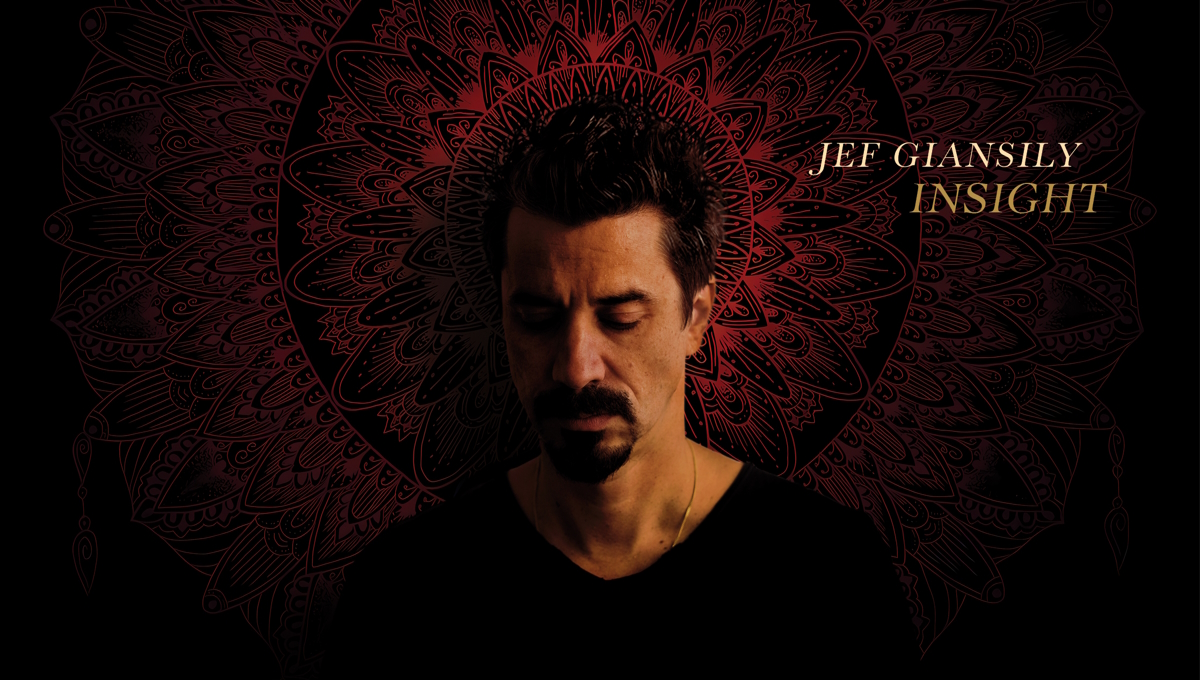
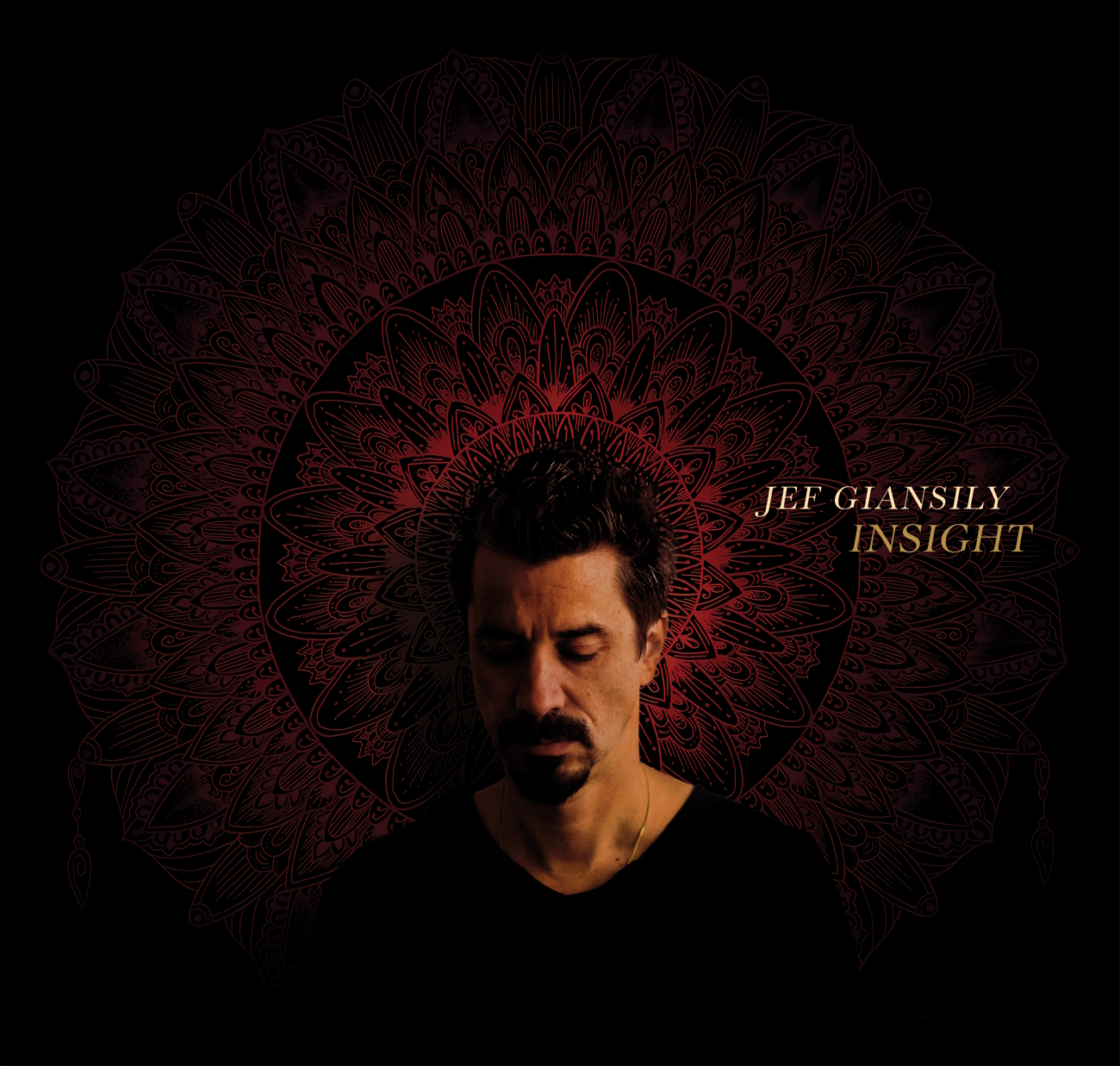
Piyanist ve besteci Jef Giansily ile yeni albümü Insight vesilesiyle bir araya geldik. Paris’te kaydedilen bu samimi ve katmanlı albüm, doğaçlama ile yapı arasındaki hassas dengesi, sinematik anlatımı ve güçlü müzikal dostluklarıyla dikkat çekiyor. Giansily, müziğin içsel bir yolculuk olduğunu hatırlatırken, cazın farklı dönemlerinden klasik müziğe ve Akdeniz tınılarına uzanan ilham kaynaklarıyla da bu yolculuğu zenginleştiriyor.
■
Mine Gürevin: Öncelikle tebrikler Jef! Insight çok samimi ve katmanlı bir albüm olmuş. En başa dönelim. Bu proje nasıl doğdu? Seni harekete geçiren özel bir an ya da his var mıydı?
Jef Giansily: Merhaba Mine! Güzel sözlerin için teşekkür ederim. Insight, yıllar boyunca yazdığım ve bu albüm için seçtiğim parçalardan oluşuyor. Bu seçimde bütünlük ve anlatı akışı ön plandaydı.
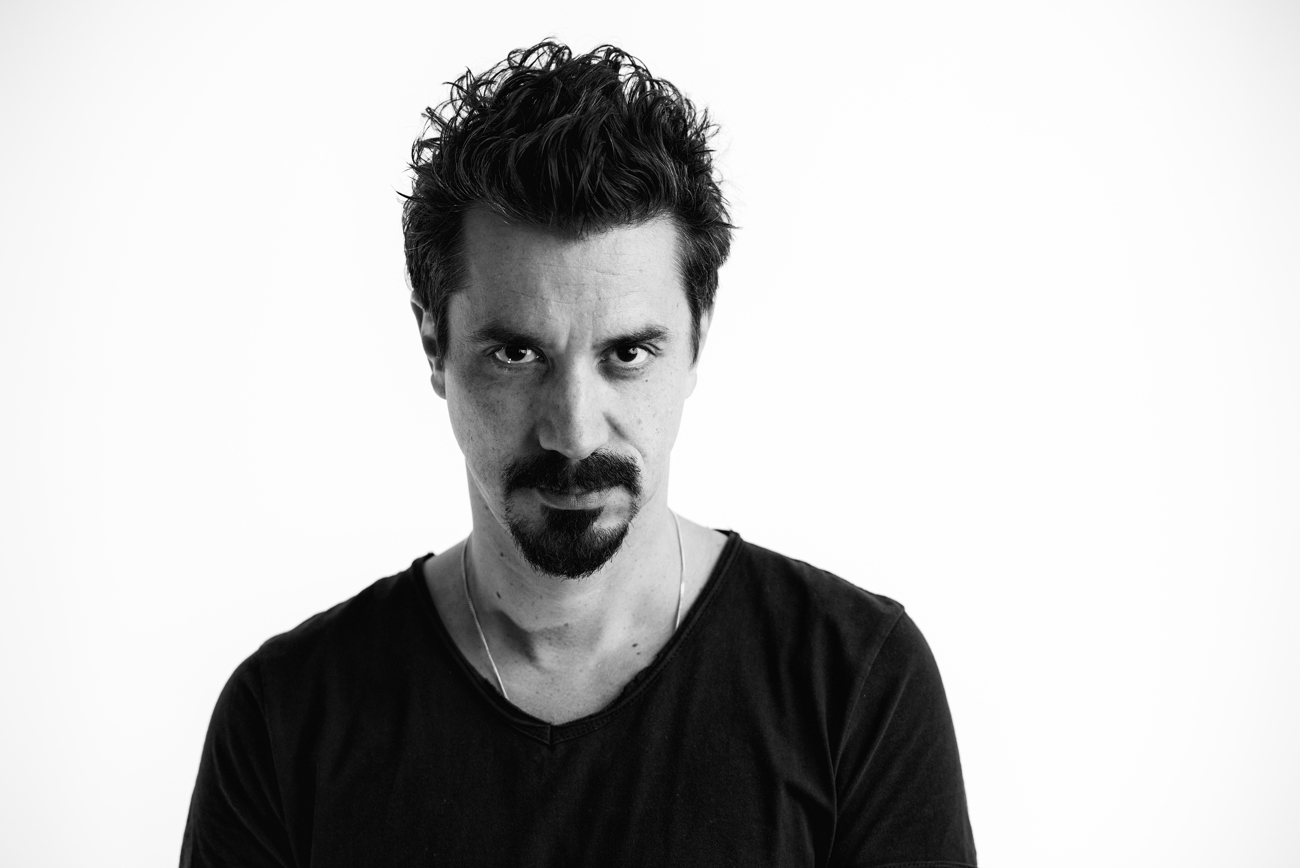
Mine Gürevin: Insight ismi çok anlamlı. İçsel bir bakışı, kendine dönmeyi çağrıştırıyor. Senin için ne ifade ediyor bu başlık? Albüm, daha çok içsel bir yolculuk mu yoksa dünyaya bir sesleniş mi?
Jef Giansily: Evet, bu albümün merkezinde bu tema yer alıyor. Kendimizi derinlemesine görebileceğimiz o kısa ve nadir anın arayışı diyebilirim.
Mine Gürevin: Albüm tamamen Fransa’da kaydedildi. Bu coğrafya, ortam, müziğin genel havasını ve ses dünyasını nasıl etkiledi?
Jef Giansily: Albümü Paris’te kaydetmeye karar verdim çünkü seçtiğim tüm müzisyenler orada yaşıyor. Bu nedenle herkes için en uygun yerdi. Ancak müzik zaten kafamda çok netti, dolayısıyla mekanın müziğe bir etkisi olmadı, stüdyonun teknik özellikleri dışında. Gerçekten müziğin karakterini belirleyen şey mekan değil, müzisyenlerin kendileriydi.
Mine Gürevin: Albümün akışı neredeyse sinematik bir anlatım taşıyor. Bu parçaları yazarken nasıl bir duygusal ya da anlatısal rota izledin?
Jef Giansily: Yazdığım parçalar genelde müzikal bir fikirle başlar. Öncelikle sadece bir ses olur. Ancak o ilk fikir geliştikçe ve bir parçaya dönüştükçe, hayalimde canlanan imgelerle onu başka parçalarla bir bütün haline getirip bir anlatı kurmaya çalışırım. Bu yüzden henüz kaydedilmemiş ama ait oldukları proje tamamlandığında kaydedeceğim birçok parça var. Bazen de tersi olur: belirli bir amaçla parça yazarım, ama bu daha nadirdir. Bu albümdeki Heart’s Ways bunun bir örneği. Bu parçayı birkaç günde yazdım, çünkü açık hava bir yaz konseri için kolay, taze bir şey istemiştim. Ya da Quatre Septembre, eşim Burcu’nun doğum günü için yazdım… birkaç doğum günü sürdü tamamlaması.
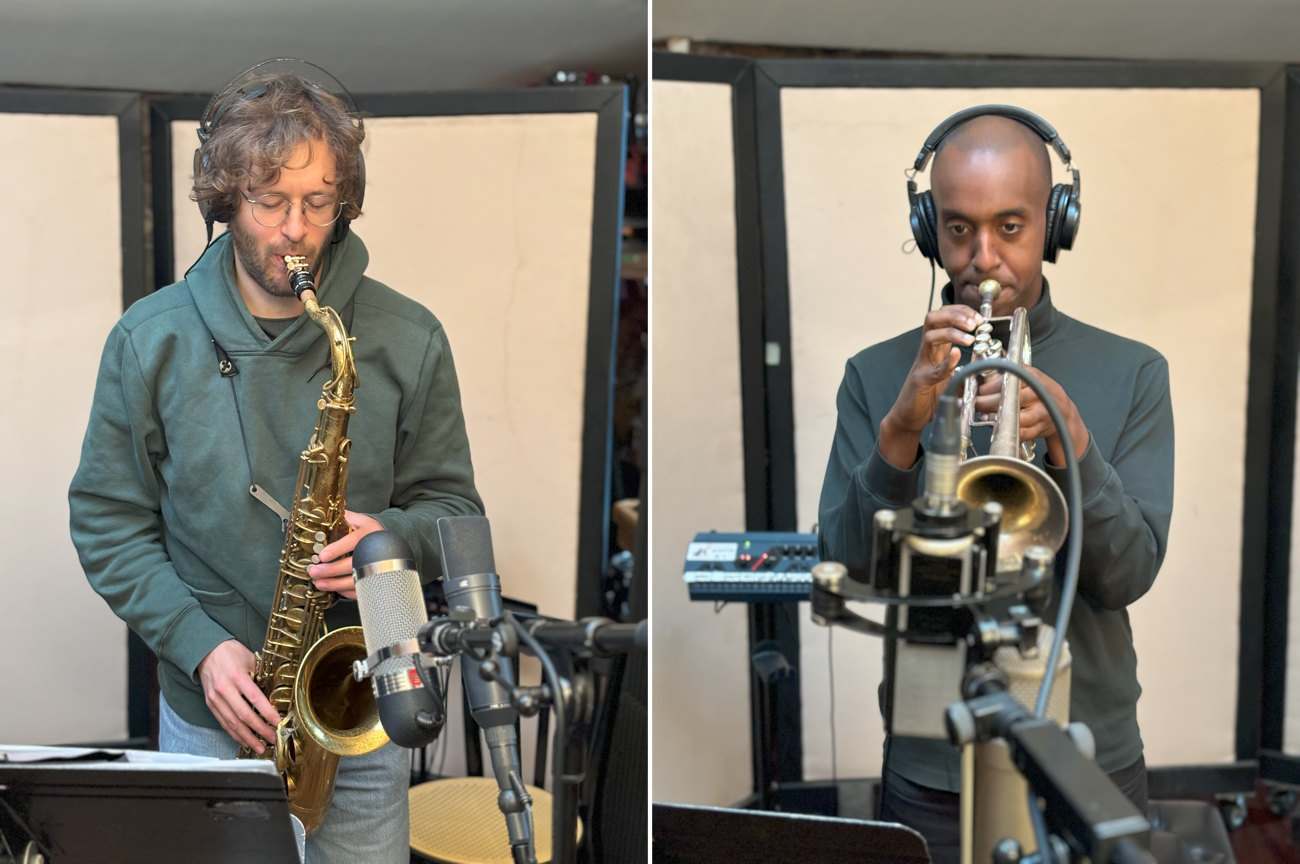
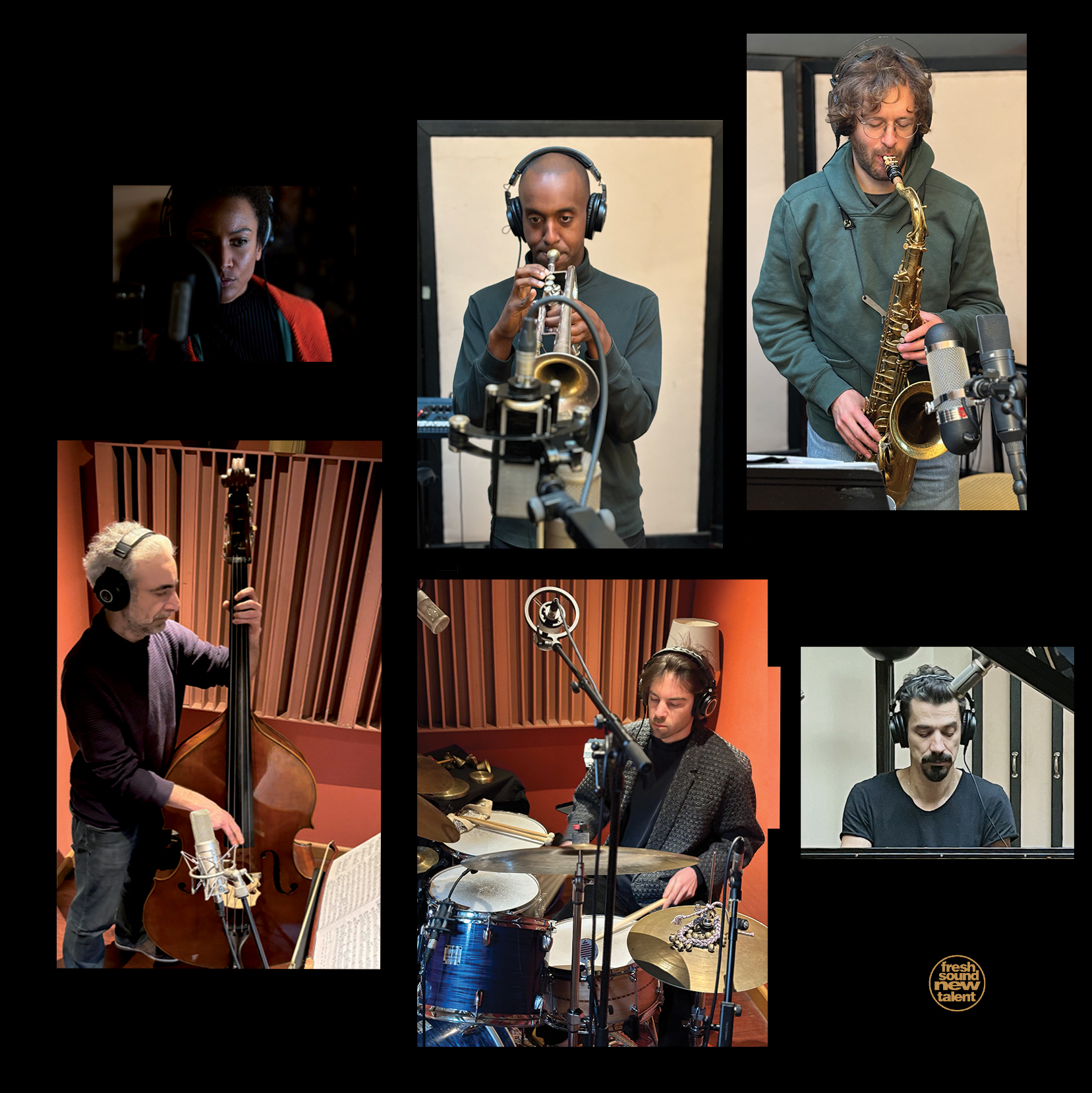
Mine Gürevin: Albümde harika müzisyenlerle çalışıyorsun—Hermon Mehari, Pierre Bernier, Apostolos Sideris ve Gautier Garrigue. Bu kadro nasıl bir araya geldi?
Jef Giansily: Kansas City’li ama Paris’te yaşayan trompetçi Hermon Mehari ile on yılı aşkın süredir birlikte çalıyoruz. Darell Green, Ferit Odman gibi dost davulcularla ya da Ricky Ford, Charlotte Wassy, Seamus Blake gibi misafirlerle birlikte sahne aldık. Hermon’un sound’unu ve müziğe yaklaşımını çok seviyorum—hem modern hem caz geleneğine köklü bir şekilde bağlı. Bu albümde özellikle blues hissini çok güzel taşıdı. Kendine özgü bir sesi var.
Bir melodi ya da solo bölümü yazarken, bunu çalacak müzisyeni düşünerek yazmaya çalışırım.
Pierre Bernier ile Paris’te tanıştık, daha sonra İstanbul’da da birlikte çaldık. Fikirlerinin netliği ve tonunun esnekliği, bu müzik için aradığım her şeydi.
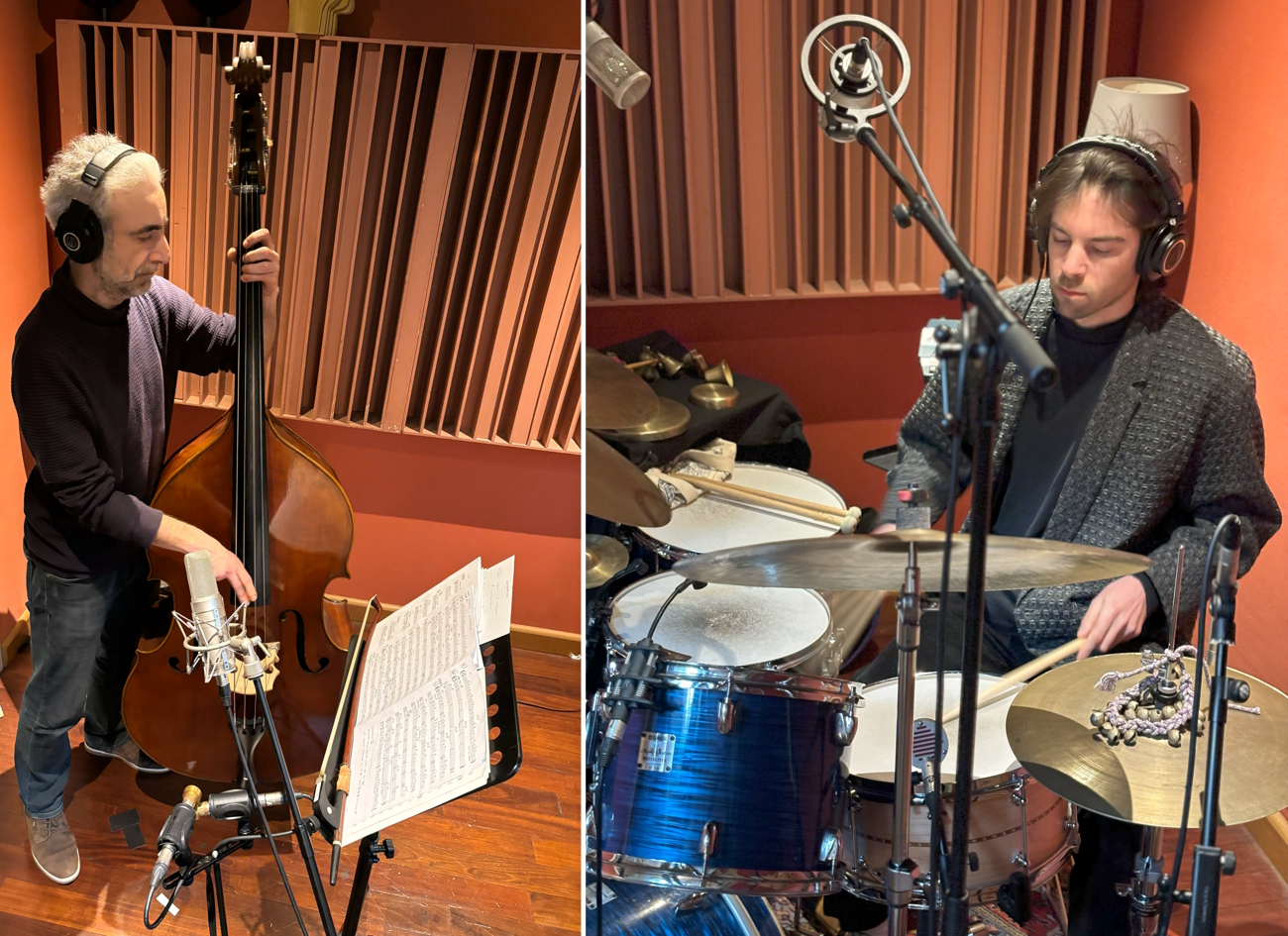
Apostolos Sideris, New York’ta yaşamış, şimdi Paris’te olan Yunan bir kontrbasçı. Onu İstanbul’da tanıdım, burada yedi yıldan fazla yaşamıştı. Modern caz tecrübesi, Akdeniz müzik geleneklerine hakimiyeti ve şarkı içindeki değişen ölçü ve zamanlarda rahat hareket etmesi, onu bu proje için vazgeçilmez kılıyor. Türkiye’de bu repertuarı birlikte birkaç kez çaldık, bu da kayıtta müziğin daha doğal akmasını sağladı.
Gautier Garrigue olağanüstü bir davulcu. Bu kaydı neredeyse nota okumadan yaptı. Albüme çok kişisel ve renkli bir dokunuş getirdi.
Charlotte Wassy’yi Silver Glints parçasına konuk olarak davet ettim. Günümüz sahnesindeki favori vokalistlerimden biri. Daha önce caz festivallerinde birlikte çaldık. Onu da tıpkı diğerleri gibi kişiliği ve müzikal kimliğiyle özellikle bu albüme davet ettim.
Mine Gürevin: Beşli/altılı arasında çok güçlü bir bağ hissediliyor—neredeyse bir sohbet gibi akıyor müzik. Bu kimya nasıl oluştu? Önceden birlikte çaldınız mı, prova yaptınız mı, yoksa stüdyoda mı doğrudan gelişti?
Jef Giansily: Müziğin bir sohbet olduğunu düşünmen hoşuma gitti! Üstelik herkesin aynı anda konuşabildiği bir tür sohbet.
Bu soruya önceki cevabımda biraz değindim ama eklemek isterim: Hepimiz farklı bağlamlarda birlikte çaldık. Bu albümdeki bazı parçalar daha önce konserlerde çalındı. Alteration ve Timeless Moment hariç. Heart’s Ways sadece bir festivalde çalınmıştı. Ama hepimiz birbirimizi tanıyoruz, ortak bir geçmişimiz var. O yüzden bu kadroyu bir araya getirdim. Çünkü aramızda bir bağ var. Ve elbette herkes stüdyoya hazırlıklı geldi.
Mine Gürevin: Beste yapıları belli ama aynı zamanda doğaçlamaya da açık bir alan var. Yazılı kısımlar ile özgürlük arasında nasıl bir denge kurdun?
Jef Giansily: Evet, müzik oldukça yapılandırılmış. Mindscape ve Quatre Septembre gibi bazı parçalar düz formlara sahip. Ama Alteration, Timeless Moment, Sarp Warp gibi daha uzun formlu parçalarda bazı bölümler tekrar etmiyor. Bu parçaların solo dağılımı ve yapı detaylarını stüdyoda çeşitlilik ve solo sırasının monoton olmaması için belirledik. Timeless Moment’ı ise kayıt öncesinde tamamladım, her müzisyenin kişiliğini düşünerek yazdım, hepsine bir alan açmak istedim. Sololar albümdeki doğaçlama bölümler.
Mine Gürevin: Müziğinde cazın farklı dönemlerinden, klasik müzikten, hatta Karayip etkilerinden izler var. Bu albümde özellikle seni yönlendiren ya da ilham veren bir müzikal kaynak oldu mu?
Jef Giansily: Bu albüm, uzun bir zaman diliminde yazdığım parçalardan oluştuğu için, yıllar boyunca dinlediğim, transkripsiyon yaptığım, çalıştığım her şeyin etkisi var. Bebop’tan post bop’a, 1960’lardan Coltrane, Miles, Herbie Hancock, Wayne Shorter, Bill Evans’a; Brezilya müziğine, M’Base hareketine ya da Aydın Esen gibi çağdaş müzisyenlere kadar.
Mine Gürevin: Bazı parçalar sanki sözcüksüz şiirler gibi—anlatmak istediğin şeyleri kelimeler olmadan ifade ediyorsun. Müzikal anlatımda dilin yerini neler alıyor senin için?
Jef Giansily: Bir şekilde “hikâye anlatmak” benim için bir hedef. O yüzden teşekkür ederim. Ama bazen sadece bir duygu, bir izlenim, bir his de paylaşmak olabilir amaç. Müziğin, sözlü dilin kapsayamadığı alanlara ulaşması derin bir konu. Belki de bu iki alanı karşılaştırmak gerekmiyor. Filozoflar bu konuyu çok tartıştı. Nietzsche’nin müziğin “Dionysosvari” karakterinden bahsettiği, Tragedyanın Doğuşu adlı kitabı—ki yazarın anlayabildiğim birkaç bölümünden biri—bana çok ilginç geliyor.
Mine Gürevin: Dinleyici Insight albümünü açtığında nasıl bir deneyim yaşamalarını hayal ediyorsun? Onlara bir yolculuk mu sunuyorsun, yoksa içsel bir durup düşünme alanı mı?
Jef Giansily: Bir şey hissetmelerini isterim. Ne olursa olsun.
Mine Gürevin: Albümde senin için özel anlam taşıyan parçalar var mı? Belki yazım süreciyle ya da kayıt sırasında yaşanan bir anıyla?
Jef Giansily: Tüm parçalar benim için kişisel ve özel anlamlar taşıyor. Ama Mindscape’i oğlum doğduğunda onun için yazmıştım, bu nedenle çok özel bir duyguya sahip.
Mine Gürevin: Sen hem piyanistsin, hem bestecisin, hem de düzenlemeler yapıyorsun. Ama tüm bu sıfatların ötesinde, kendini bugünlerde nasıl tanımlıyorsun bir sanatçı olarak? Hangi yönünle daha çok temas halindesin?
Jef Giansily: Biliyorsun, müziği sevdiğimiz için yapıyoruz. Bir parça yazmak keyifli. Arkadaşlarla bir araya gelip onu çalmak daha da keyifli. Konser alabilmek için albümler gerekiyor. Aynı zamanda bir albüm yapmak, bir hedef koyuyor, bir çalışma dinamiği yaratıyor. Tıpkı bir kitabı okuyup bitirmek istemek gibi—ama bu sefer yazmak şeklinde. Müziği başka şekillerde de yaşayabiliyorum: Evde çocuklarımla birlikte, onları öğrenirken izlemek, birlikte oynamak… Son 15 yılda çoğunlukla bunu yaptım.
Mine Gürevin: Amerika, Avrupa ve hatta Türkiye’de farklı müzisyenlerle çalıştın. Bunca farklı yer ve müzikal kültür senin yazım ve çalma biçimini nasıl etkiledi?
Jef Giansily: Farklı yerlerden gelen, müziği tüm yönleriyle tutkuyla seven insanlarla tanışmak, çalmak ve öğrenmek büyük bir zenginlik. Afrika kökenli Amerikan müziği, R&B’den klasik müziğe, Brezilya müziğine, Milton Nascimento, Jobim, Toninho Horta gibi isimlere, Ivan Lins, Michel Legrand, Claude Nougaro gibi şarkı yazarlarına ve Amerikan songbook’una katkı sağlayan Broadway bestecilerine kadar… Türk geleneksel müziğini de çok seviyorum ama henüz kendi çalımıma bunu entegre edemedim. Apostolos bunu kendi albümlerinde harika bir şekilde yapıyor, çok etkileyici buluyorum. Türkiye’de tüm bu yıllar boyunca çalmak müzikal yolculuğumda bana çok şey kattı ve burada tanıştığım harika insanlar, burada kalmamın nedenlerinden biri oldu.
Mine Gürevin: Günümüzde caz çok ilginç bir konumda—hem her yerde hem hâlâ niş bir alan gibi. Insight bu çağın müzikal dünyasında nasıl bir yer buluyor sence?
Jef Giansily: Bu albüm, Afro-Amerikan müziğine kök salmış, Paris’te yaşayan müzisyenlerce icra edilen bir çağdaş caz albümü.
Mine Gürevin: Son olarak—bundan sonra ne var? Insight bir dönemin kapanışı mı, yoksa yeni bir sürecin başlangıcı mı?
Jef Giansily: İkisi birden! Bu müziği sahnede sunmak beni mutlu edecek. Albüm tanıtım konseri 19 Haziran’da Paris’teki Sunset-Sunside’da olacak. Sonrasında Türkiye’de ve yurtdışında konserler planlıyorum. Bu arada başka projeler için de yeni müzikler yazmaya devam ediyorum.
■
A Conversation with Jef Giansily on his new album “Insight”
Mine Gürevin: First of all, big congratulations Jef! Insight feels like such an honest and layered piece of work. Let’s start from the beginning—how did this project first come to life? Was there a specific moment or feeling that triggered it?
Jef Giansily: Hi Mine! Thank you for your kind words! Insight is a collection of pieces which I wrote through the years and I chose for this album, with a concern for cohesion and narrative flow.
Mine Gürevin: The title Insight is quite telling. It suggests looking inward, a kind of self-exploration. Can you tell me more about this?
Jef Giansily: Yes, this is the central theme of this album. The quest for a fleeting moment in which we might catch a glimpse of our deep self.
Mine Gürevin: You recorded the whole album in Paris. How did being in that environment shape the overall sound and atmosphere of the music?
Jef Giansily: I decided to do this album in Paris because all the players I chose to be on it are based there, so it was the most convenient place for everybody. But the music was already precisely conceived in my mind, so the recording place didn’t have an impact on the music, except for the characteristics of the studio. It’s really the players that shaped the sound rather than the environement.
Mine Gürevin: There’s something very cinematic in the way the album flows. When you were writing these pieces, what kind of emotional or narrative path were you imagining?
Jef Giansily: The pieces I write usually come from a musical idea. In the first place it is just sound. But as an initial idea is being developped and becomes a piece, I start to associate it with imaginary and see how it can be integrated to an ensemble of pieces to serve a narration. This is why I have quite a few pieces written which are not recorded yet, but will be when the projects to which they belong to will be complete. Sometimes it’s the other way around: I write a piece with a purpose in mind, but it’s more rare. This is the case for Heart’s Ways on this album for example. I wrote that piece in a few days because I wanted something fresh with an easy vibe for a summer outdoor festival concert, or Quatre Septembre, which I wrote fort he birthday of my wife Burcu … which took a few birthdays fo it be ready.
Mine Gürevin: You’re joined by some 1st class international musicians—Hermon Mehari, Pierre Bernier, Apostolos Sideris, Gautier Garrigue and Charlotte Wassy on the final piece. How did you all come together for this recording?
Jef Giansily: Hermon Mehari, based in Paris trumpeter from Kansas City and I have been playing together for over a decade with friend musicians such as drummers Darell Green or Ferit Odman, sometimes inviting guests such as Ricky Ford, Charlotte Wassy, Seamus Blake … I love Hermon’s sound and his approach to music. Both modern and rooted in the jazz tradition. Among other thinngs, Hermon really brings a blues feeling on this album. I think his voice is very unique.
When I write a melody or some solo sections for a tune, I try to do it according to the player who will perform it.
Pierre Bernier is a sax I met in Paris some years ago. We played together in Paris and in Istanbul, for a series of concerts some years ago. The clarity of his ideas and flexibility of tone is everything I could expect for this music.
Apostolos Sideris, is a Greek bass player who lived in New York, now based in Paris. I met him here in Istanbul where he lived for over 7 years … His experience with contemporary jazz, knowledge of Mediterranean musical traditions and his facility to navigate through odd meters and time signatures change within a song makes him a cornerstone on this project. We played some of this repertoire together on several gigs in Turkey, wich definitely enabled the music to flow on the recording.
Gautier Garrigue’s playing is superb. He did this recording almost without reading a single chart. He really brought an exceptional personnal touch and color to this album.
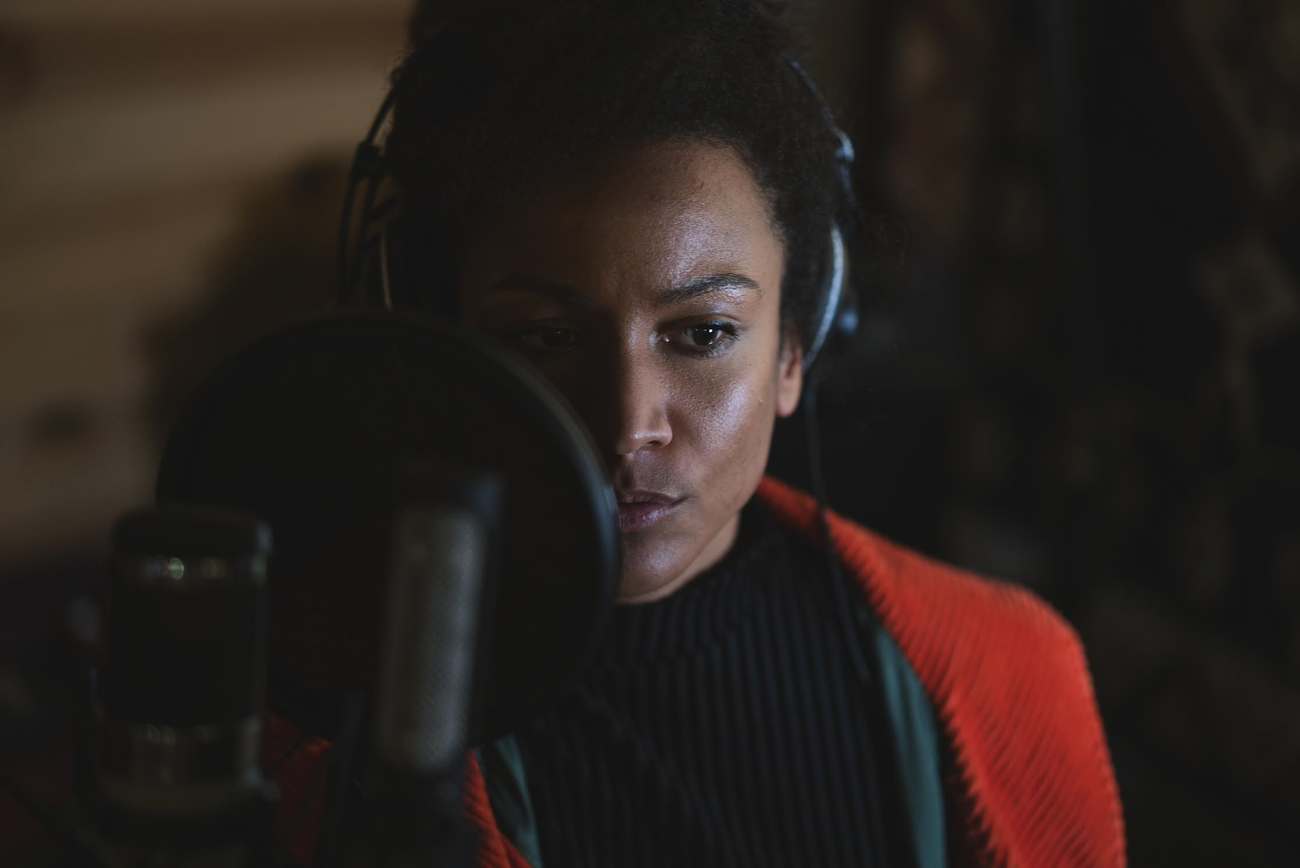
Charlotte Wassy who I invited as a guest on Silver Glints is one of my favorite vocalists of today’s scene. We played together in some jazz festivals before, and I really chose her for her personality and musical identity, like everyone on this album.
Mine Gürevin: There’s a real connection between the five/six of you—almost like a conversation. How did that chemistry develop? Did it come from previous gigs, rehearsals, or did it just click in the studio?
Jef Giansily: I like this idea that music is a conversation ! A form of conversation in which everybody can speak at the same time.
Since I anticipated the question in my previous answer, I will try to add to it. We all played together in different contexts, and some of the music on this album has been played in concerts before, except Alteration and Timeless Moment. Heart’s Ways also had just been played once in a festival. But we all knew each other and shared an history, together or separately. That’s why I organized this gathering. Because we are all connected. And of course everybody came prepared for the session.
Mine Gürevin: While the compositions are clearly structured, there’s also plenty of space for spontaneity. How did you approach the balance between written material and improvisation?
Jef Giansily: As you stated, the music is pretty much structured. Some pieces like Mindscape and Quatre Septembre have a straight ahead form. But longer pieces like Alteration, Timeless Moment, Sarp Warp … have a longer form with some sections which are not repeating. For these, the distribution of solos and some shape adjustments have been decided in the studio with a concern for diversity and for avoiding a systematic order of solos. Timeless Moment also, is a tune I finished writing just before the recording session, really thinking of each musician’s personality and trying to feature everybody. The solos are the improvised parts of the tunes on the album.
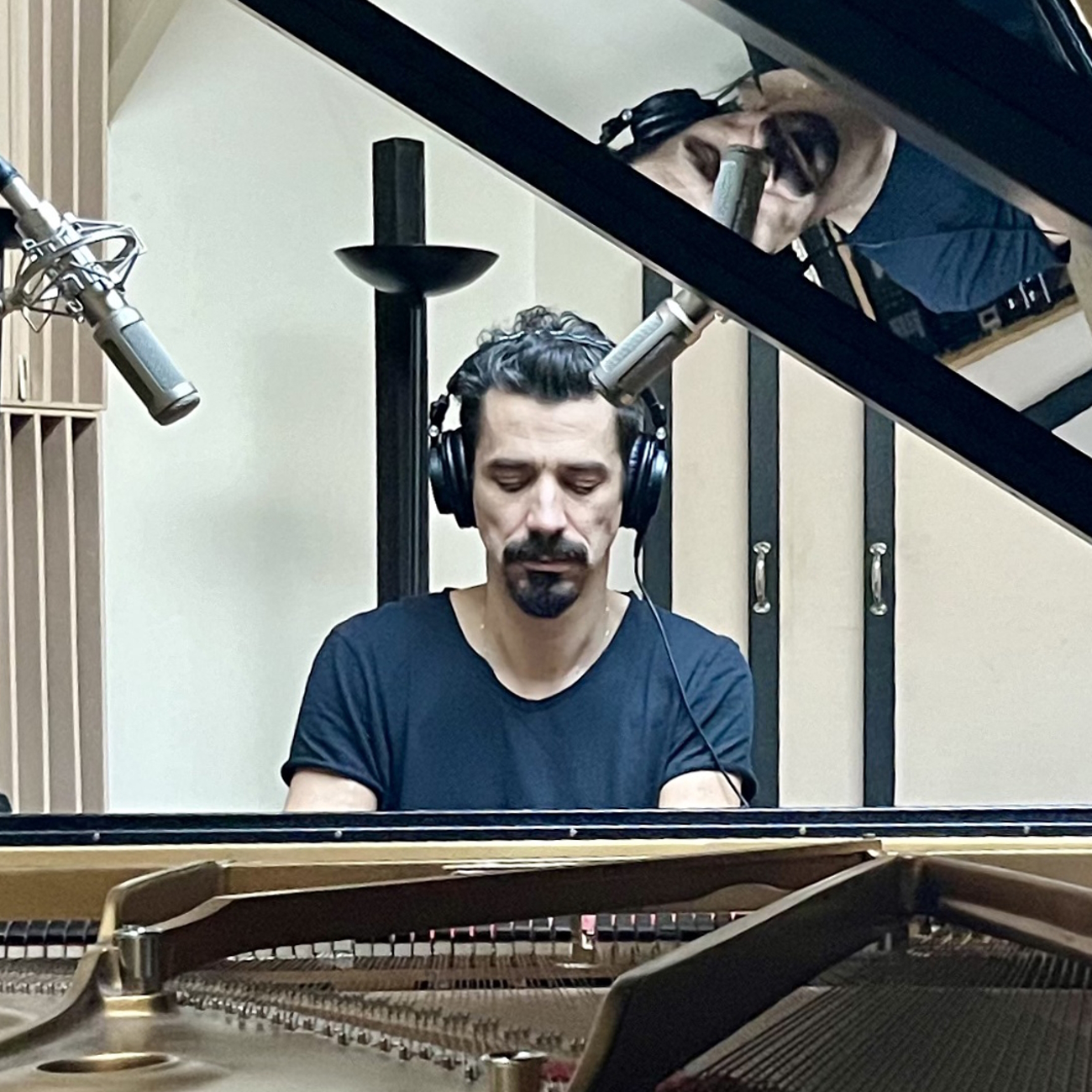
Mine Gürevin: Your music seems to draw from a wide palette of jazz esthetics. Were there any particular inspirations or sounds that guided you through the making of this album?
Jef Giansily: Since this album is a collection of pieces I wrote in an extended period of time, I guess all the music that I’ve been listening to, transcribing and practicing along the years, that shaped my approach to music and my playing. From bop, to post bop, the 1960’s, anything from Coltrane, Miles, Herbie Hancock, Wayne Shorter, Bill Evans, Brazilian music, the M’base movement or contemporary players like Aydın Esen.
Mine Gürevin: Some of the pieces feel like they’re telling stories—almost like poems without words. Do you rely on music to “say” something that can’t be put into language?
Jef Giansily: Somehow, being able to “tell a story” with music is one of my goals. So thank you. But it could also be just sharing a feeling, a sensation, an impression, an emotion… About how music can cover areas that spoken language doesn’t is a deep subject. But they don’t necessarily have to be put in perspective maybe. Philosophers discussed that subject a lot. I really like the only book from which I understood fragments from the author Nietsche, in which he talks about the Dyonisiac character of music, The birth of Tragedy.
Mine Gürevin: When listeners press play on Insight, what kind of experience do you hope they’ll have? Do you imagine it as a journey, or maybe as a space to reflect?
Jef Giansily: To feel something. Whatever it is.
Mine Gürevin: Are there any tracks on the album that are especially personal for you? Maybe because of how they came together or something that happened during the recording?
Jef Giansily: All the pieces are personal and have a special meaning to me. But I wrote Mindscape for my son when he was born, so it’s associated with that certain feeling which is of course very special to me.
Mine Gürevin: You wear many hats—pianist, composer, arranger. But beyond labels, how do you see yourself as an artist these days? What parts of your identity are you most in touch with?
Jef Giansily: You know, we do music because we love music. Writing a tune is fun. Gathering some friends and play it is even more fun. And we need albums to get some gigs. Also, making an album sets a goal and creates a working dynamic. Something that keeps your mind busy. It’s like reading a book and want to finish the book but writing it instead. And there are other ways to enjoy music: at home with my kids for example, watching them learn, play with them. That’s what I did mostly for the past 15 years…
Mine Gürevin: You’ve worked with musicians from the U.S., Europe, and from Turkey. How have all these different places and musical cultures shaped the way you write and play?
Jef Giansily: It’s a richness to meet, play and learn from people from different places who are connected by their deep love for music in all its forms: African-American music, from the roots to R&B, European “classical”music, also Brazilian music, Milton Nascimento, Jobim, Toninho Horta … song writers like Ivans Lins, Michel Legrand, Claude Nougaro and all the song writers like the Gershwin brothers and the Broadway composers who contributed to the American songbook. I also truly love Turkish traditionnal music but haven’t been able to integrate elements of it into my playing. Apostolos does this fantastically on his own albums and I find it fascinating. Playing in Turkey all these years has certainly helped me grow a lot on my musical path and meeting wonderful people here made me stick here, among other reasons.
Mine Gürevin: Jazz today lives in such a strange, beautiful space—it’s everywhere and yet somehow still niche. How do you think Insight fits into today’s musical landscape?
Jef Giansily: It’s pretty much a contemporary jazz album, rooted in Black American music, played by based in Paris people.
Mine Gürevin: And finally—what’s next? Does Insight feel like the closing of a chapter, or are we hearing the beginning of something new?
Jef Giansily: It’s both! I’ll be happy to present that music live. The 1st album release concert will be on June 19th at Sunset-Sunside in Paris. And after that I’ll be scheduling some more concerts to present the project in Turkey and abroad. In the meantime, I keep writing new music for other projects to record.
■ Mine Gürevin’in Dark Blue Notes’daki diğer yazıları
■ Dark Blue Notes’da Röportajlar
■ Bandcamp: Yeni Jef Giansily albümü Insight


