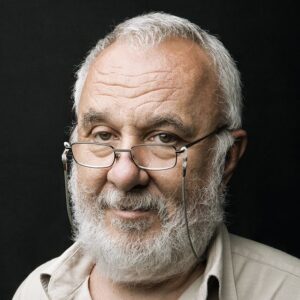


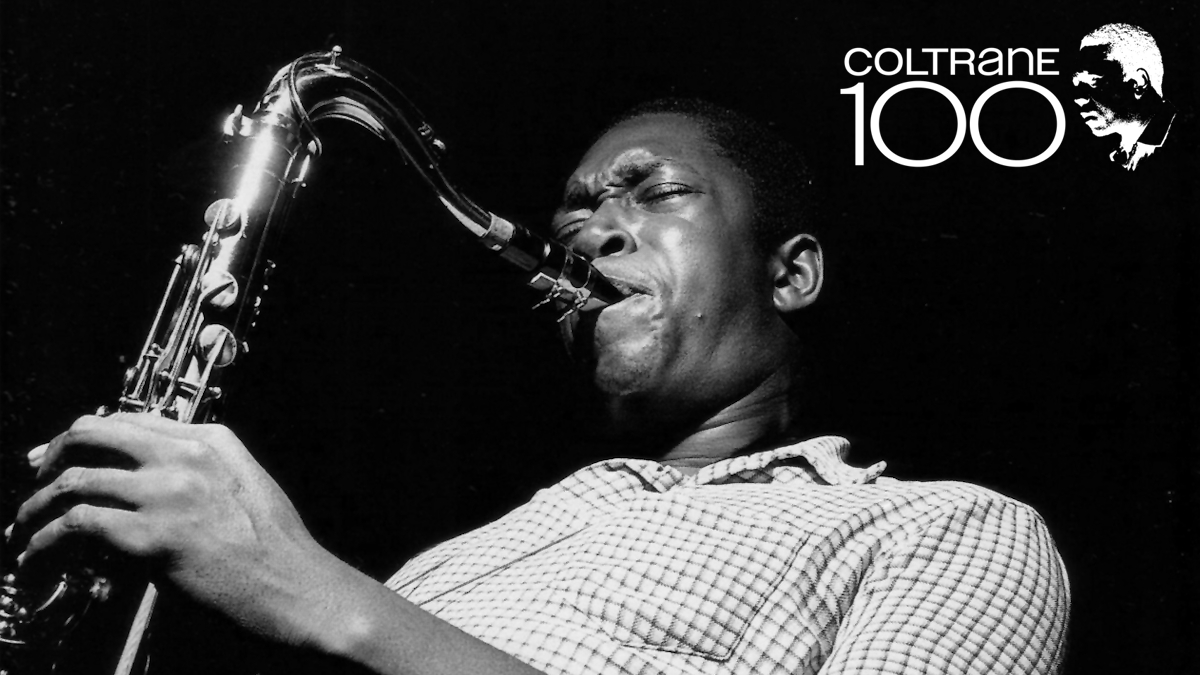
Dark Blue Notes: What did you feel the first time you listened to Coltrane?
Francesco Martinelli: A sense of exploration with freedom and strength, similar to the first time I heard Stravinsky. Hard work, mining, shaping hot iron.
Dark Blue Notes: What is it about Coltrane’s music that still amazes you today or that you find hard to explain?
Francesco Martinelli: The power of his sound, the thickness, resonance and vibration of the voice of the saxophone itself. It can become an obsession, an ocean of sound where one can lose himself.
Dark Blue Notes: In your opinion, what was Coltrane’s true revolution: his playing style, his composition, his approach to improvisation, or his overall approach to music?
Francesco Martinelli: I think it is a combination of the first three, or rather, the fulfillment of the first three across the different phases of his career. As a sideman in hard-bop and then in the bands of Monk and Miles he honed his playing style. As a leader in his Atlantic years he perfectioned his compositions. In the final stage of his career for Impulse he transformed the way of improvising in jazz.
Dark Blue Notes: Do you think Coltrane found what he was looking for? Is something like that even possible for a musician?
Francesco Martinelli: No, I do not think he did, his thirst was unquencheable. And this is the mark of the artist itself. Miles and Coltrane never commercialized their successes: Miles could have played all his career the pieces from Kind of Blue with great success, Coltrane the same with his ballads, Giant Steps and My Favorite Things. They never did. Other musicians in jazz found their formula and played it to the end, with pleasure, fun, and small modifications: Art Blakey, to mention one. Coltrane and Davis destroyed and rebuilt several times, dancing over the ruins. Gods of destruction and creation.
Dark Blue Notes: Why is Coltrane still important, and how does he manage to speak to us today?
Francesco Martinelli: His artistic integrity, his modesty, his unstoppable research. His courage. His lack of interest for the external, and his furious passion for development. He never stopped to interrogate himself to go to the essence of the music. It’s a life on the edge of the unknown that very few of us dare to live. It’s a dangerous abyss and it’s easier to stay on safe ground….
■
John Coltrane@100
johncoltrane.com