

Eglish version of the interview with Liam Shortall a.k.a. corto.alto is HERE.
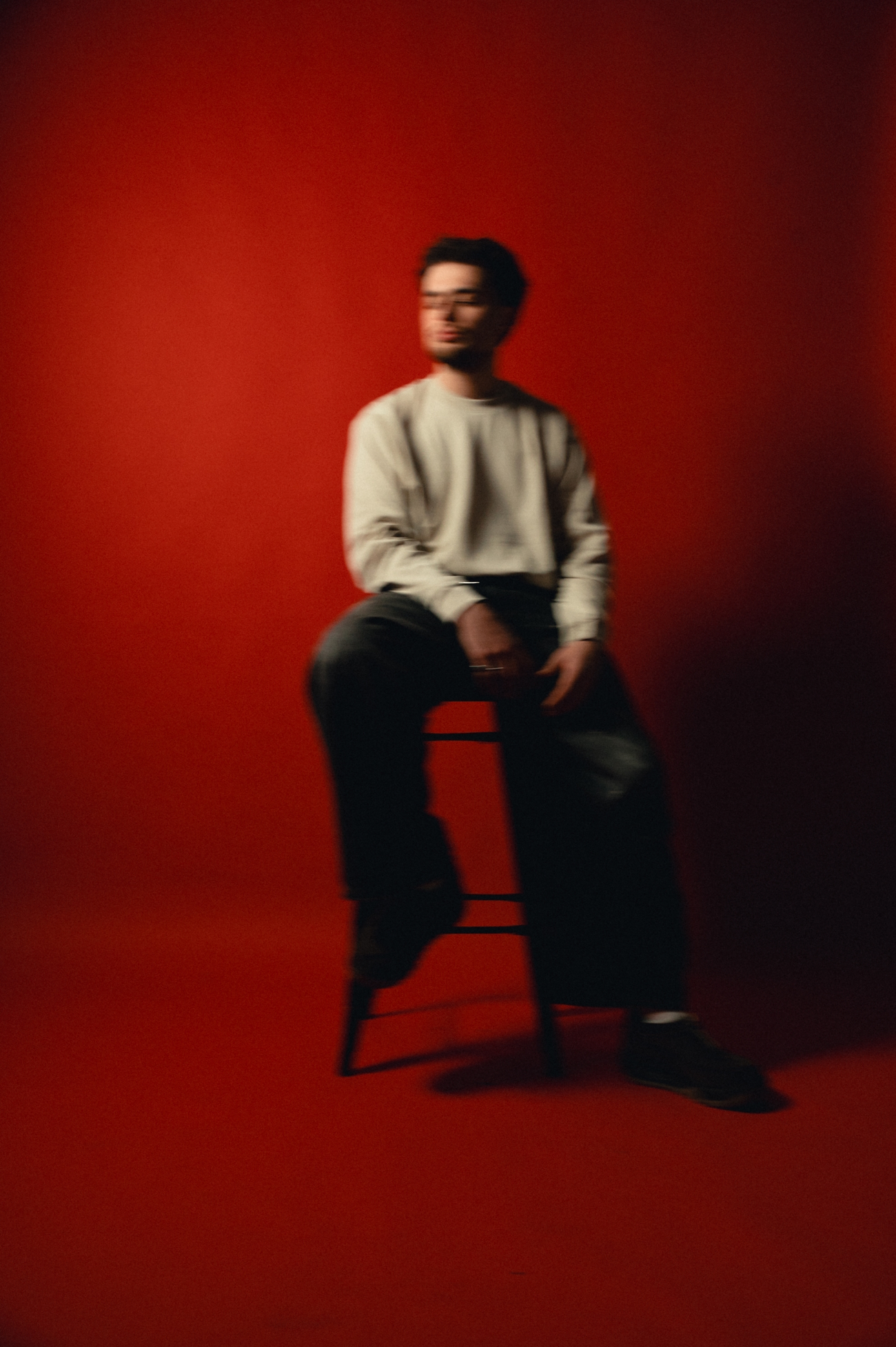
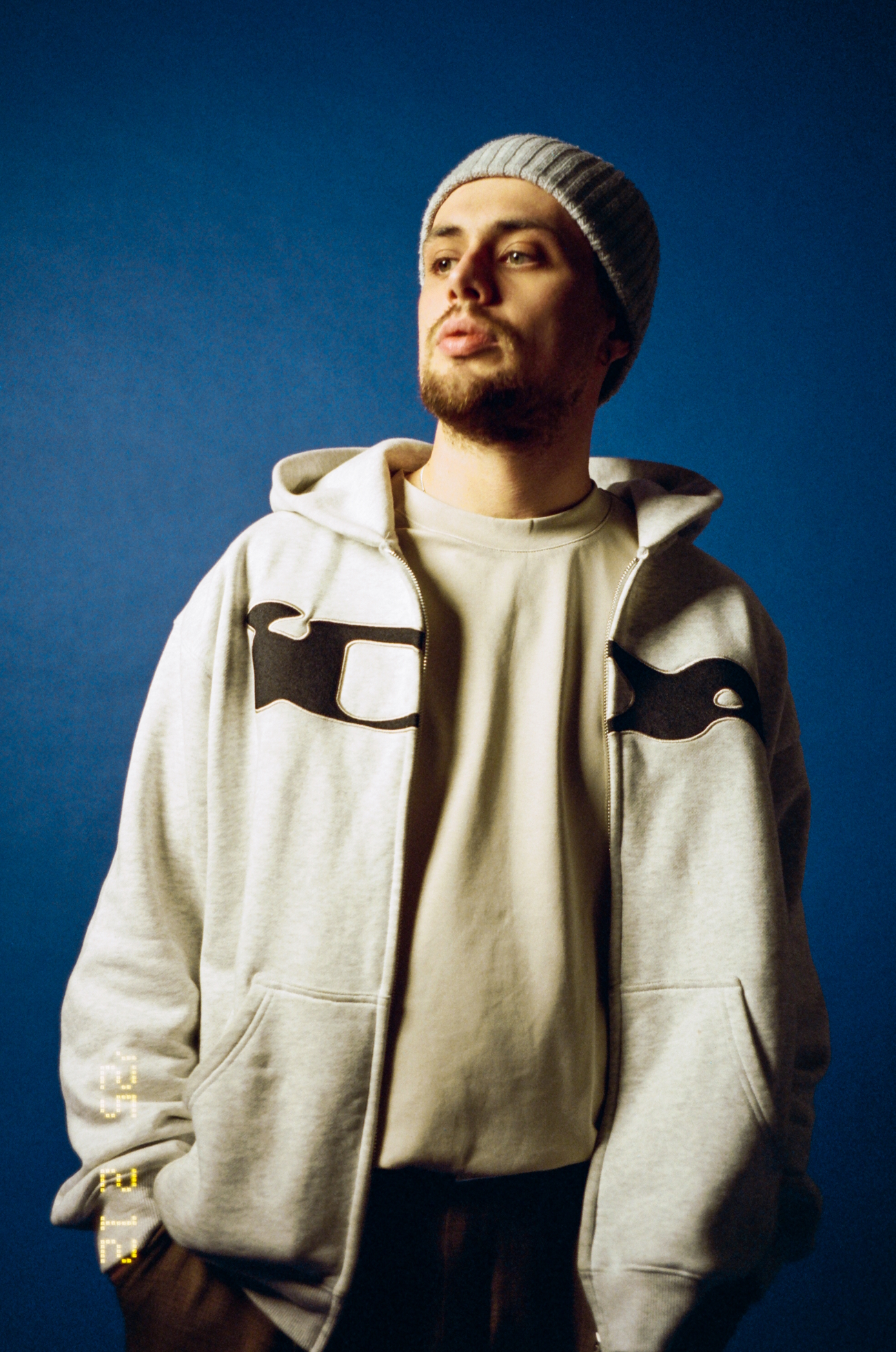
Yakın zamanda Frankhan İstanbul’daki corto.alto konserinin ardından bu projeyi başlatan Liam Shortall ile tanışma fırsatım oldu. Müziğini ilk defa uzun zaman önce, 2019’da dinleyen biri olarak onun müzikal yolculuğunu takip etmek ve sonunda müziğini canlı dinleyebilmek çok güzeldi. O günden bugüne, corto.alto’nun albümü Bad With Names 2024 yılında Merkur Ödülü’ne aday oldu, kısa listeye girdi. 2025 yılında ise UK Jazz FM Ödülleri’nde Yılın Caz Performansı ve Yenilik Ödülü’nü kazandılar. Hem caz hem de cazın çatısının altında toplanan tüm müzik türlerini çok seven biri olarak, son albümü 30/108’i dinlemek beni neden cazı sevdiğimiz ve bugün neyi caz olarak tanımladığımız üzerine düşündürdü. Liam Shortall’un çok mütevazı şekilde kabul etmesi üzerine yaptığımız röportajı sizlerle paylaşmaktan mutluluk duyuyorum.
■
Duru Aygüven: Öncelikle, bize corto.alto projesinin nasıl başladığını anlatır mısınız? Bu kolektif projenizin adını corto.alto koyduğunuzda bugün alacağı hali hayal ediyor muydunuz?
Liam Shortall: Bu proje 2019’da başladı. Okurlardan Glasgow’a giden var mıdır bilmiyorum ama orada adı Sauchiehall Street olan bir barlar sokağı var. Ben de o sırada o sokakta, en popüler kulüplerden birinin üst katında oturuyordum, yani sürekli gürültü yapabileceğim bir yerde yaşıyordum. Tüm arkadaşlarım müzikle ilgileniyordu. Böylece, bir gün kamera ve mikrofonları ayarlayıp benim bestelerimi kaydetmeye karar verdik. Rastgele şekilde her üç haftada bir yeni bir parça yayımlamaya karar verdim. On iki hafta içinde dört parça paylaştım, bunlar Live from 435, Vol.1’da toplandı.
Sonra bu, tüm yıla yayılacak bir projeye dönüştü; bir yıl boyunca üç haftada bir yeni bir parça paylaştım. O yıl bittikten sonra ne yapacağımdan emin değildim. Zaman içinde bir EP, sonra başka bir EP, bir albüm, sonra bir albüm daha, sonra birkaç single ve bir remix albümü çıkardım, son durum bu. Yani aslında kartopu etkisi oldu, ilk başladığımda aklımda belli bir türde müzik yapmak yoktu. Sadece müziğimi paylaşmak istiyordum, bu yüzden eski kayıtlarımıza bakarsanız her telden çaldığımızı görürsünüz. Bir parçada çok latin caz etkisi varken diğeri tamamen punk olabilir.
Duru Aygüven: Bence farklı olmalarına rağmen bir bütün oluşturuyorlar. Eski kayıtlarınızdan parçalar dinlediğimde de son albümünüzden parçalar dinlediğimde de hepsinin sizin olduğunu anlıyorum. Bu nasıl gelişti?
Liam Shortall: Canlı caz kayıtları ve prodüksiyon, sample yapmak ve bir elektronik müzik yapımcısı gibi kaydetmek arasındaki dengeyi bulmam biraz zamanımı aldı. Stüdyoda olmayı, prodüksiyonu, ses tasarımını, sintisayzırları hep sevdim. Müziğin post-prodüksiyon kısmı da hep ilgimi çekmiştir. Artık müziğimde bu iki dünyayı nasıl bir araya getireceğimi daha iyi biliyorum.
Duru Aygüven: Peki corto.alto adı nereden geliyor?
Liam Shortall: corto.alto adı soyadım Shortall’dan geliyor. İspanyol büyükannem zamanında soyadı Corto olan İrlandalı biriyle evlenmiş. Büyükannemin İspanyolca havalı bir soyadı varken yeni soyadı olarak “corto (kısa) alto (uzun)” nun çevirisini alması bana hep komik gelmiştir. Grubun adını rastgele öyle koymuştum, bir nedeni yoktu. O isimle açtığım Facebook grubuna videolar yüklüyordum; bugün çıktığımız turnelere çıkacağımız, albümler çıkaracağımız aklımın ucundan geçmiyordu. Şimdi corto.alto ana işim. Böyle olduğu için çok şanslıyım, corto.alto’nun kendi yolunu bulmasına izin veriyorum. Hiçbir şeyi oldurmaya çalışmadım, sadece müzik yapmak için başladığım bu projenin bir gruba dönüşmesi tabii ki çok güzel.
Duru Aygüven: Ben müziğinizi ilk kayıtlarınızdan, kitti’nin eşlik ettiği “Better” parçanızla keşfetmiştim. Yıllar sonra, İstanbul’da konser vereceğinizi görünce çok heyecanlandım. Müziğiniz yıllar içindeki evrimini gözlemlemek gerçekten çok güzel.
Liam Shortall: O parçada Katie’yle (kitti) çalıştığımız için o parçanın bende ayrı bir yeri var. Katie benim hâlâ en yakın arkadaşlarımdan biri, gerçekten çok yetenekli, yeni albümüne bayılıyorum. Kendi yolunu çok güzel buldu. O parça çok neo-soul’du, şimdiyse elektronik müziğe daha yakınız sanırım. İnsanların bizi nasıl bulduğunu duymak hep ilginç oluyor. Bazı insanlar punk parçalarımızla buluyor, onlar “Better”dan çok daha farklı tabii. Spotify’ın algoritmasının bana yardımcı olduğunu duymak güzel. Spotify, eğer bunları okuyorsan, biraz daha destek olabilirsen sevinirim.
Duru Aygüven: Kayıtlarınızı zaten beğeniyordum ama sizi İstanbul’da canlı dinlemek apayrıydı. Melodileri bilsem de onları konserde yaptığınız elektronik eklemelerle müziğinizi canlı dinlemek bende daha fazla dans etme isteği uyandırdı. Orada bulunan bir dinleyici ve bir dansçı olarak hareketlerimi doğaçlıyordum. Bundan yola çıkarak, canlı performanslarınızda sizin ne kadar doğaçladığınızı ve yaratıcı sürecinizde doğaçlamanın nasıl bir rol oynadığını sormak istiyorum.
Liam Shortall: Örneğin geçen sene, 2024’te, 92 konser verdik. Her gece aynı parçaları aynı şekilde çalsaydık eminim çok sıkılır ve konsere çıkmaktan keyif almamaya başlardım. Bence konserlerden keyif almadığımızda seyircinin bunu hissetmeme ihtimali yok. Bu yüzden biz her şeyi canlı tutmaya çalışıyoruz; akorları, groove’ları değiştiriyoruz. İnsanların bildiği ve sevdiği melodileri çalıyoruz ama değiştirerek çalıyoruz, onlarla oynamak istiyoruz. Bazen setlistimiz bile olmadan sahneye çıkıyoruz, İstanbul’daki konser böyleydi. Sahneye çıkıyoruz, ilk parçayı seçtikten sonra ben gerisine anın içinde karar veriyorum. Sahnedeki arkadaşlarımın bir sonraki parçanın ne olacağını bilmemesi hoşuma gidiyor. Kısacası, doğaçlama sahnemizin büyük bir kısmı. Bu haftasonu Almanya’da iki konserimiz var, belki cumartesi parçalarımızdan birinin dört dakikalık versiyonunu çalarken sonraki akşam on iki dakikalık versiyonunu çalacağız. Nereye gittiğimize ve ne hissettiğimize göre nasıl çaldığımız değişiyor. Ne kadar uzun veya ne kadar kısa o kadar iyi gibi bir anlayışımız yok.
Ayrıca, ben grupları canlı dinlemeyi çok seviyorum. Eğer bir parçanın albümdeki halini dinlemek isteseydim, albümü dinlerdim. Bir grubu ikinci kez dinlemeye gittiğinizde parçaları farklı çalmaları çok güzel bir şey. Bu, seyircilere sadece bir kez yaşayabilecekleri özgün bir deneyim sunduğunuz anlamına geliyor.
Tabii bu, grubun kendi parçalarına güvenmesiyle mümkün. Müziği tersyüz edebilmek için çaldığımız müziği çok iyi bilmemiz gerekiyor. Müziği içselleştirmek gerekiyor. Birlikte çaldığım sahne arkadaşlarıma müziği bu kadar içselleştirdikleri için ve sonra benimle her şeyi bozma riskini göze aldıkları için teşekkür ederim.
Duru Aygüven: Müziğinizi icra etme şekliniz nerede çaldığınıza göre değişiyor mu? North Sea Jazz Festival, Montreux Jazz Festival ve Love Supreme gibi büyük caz festivallerinde çaldınız ve çalacaksınız. Bu büyük festivaller küçük ve samimi ortamlarda verdiğiniz konserlerden ne kadar farklı?
Liam Shortall: Çalma şeklimizi bir caz festivali için bilinçli olarak değiştirmiyoruz hiç. “Daha çok caz çalmamız, daha cazvari çalmamız lazım,” diye düşünmüyorum. Çünkü eğer o baskıyı oluşturursam performansımızın garipleşeceğini biliyorum. Arkadaşlarımdan bunu isteseydim çaldıkları her şeyden şüphe etmeye başlayacaklarını biliyorum. O yüzden bunu hiç yapmıyoruz; o hissi seyircilerden, neye daha çok tepki verdiklerinden anlayabiliyoruz. Eğer çılgın bir bateri solosuna çok tepki verirlerse Graham (Costello) içgüdülerine dayanarak daha uzun bir solo çalacaktır. Veya bir kulüpte çalıyorsak ve daha meditatif, derin melodiler ve daha elektronik bir müzik havası varsa o sonik dünyanın içine giriyoruz.
Seyirciler sizi çok şaşırtabilir. Çoğunluğun gençler olduğu büyük caz festivallerinde de çalıyoruz, içerisinde orta yaşlı caz hayranlarının çılgın caz soloları dinlemek istediği mekanlarda ana grup olarak da çalıyoruz. Bazen insanların dış görünüşlerine bakarak bazı varsayımlarda bulunduktan sonra tamamen farklı şeylerin onları heyecanlandırdığını fark edebiliyoruz. Bu yüzden iletişimi hep canlı tutmaya çalışıyoruz.
Duru Aygüven: Eğer bu sağlanırsa o konser seyirciler için büyülü bir hal alıyor. Bu tür konserlerden eve döndüğümüzde hâlâ o büyünün etkisi altında kalıyoruz.
Liam Shortall: Bazı en sevdiğim konserlerde ben de tam olarak bunu hissediyorum. Sanki müziğin bir parçası oluyorsun. İzleyici değilsin. Bu benim için çok önemli: İnsanlara “Biz grubuz, siz de seyircisiniz,” gibi bir hiyerarşi olmadığını hissettirmek. Konser, o an o alanda yaşanan bir şey. Seyirciler orada olmasa, çok farklı çalardık. O, prova olurdu. Provalarda biz neredeyse hiçbir şey çalmıyoruz. Sadece çalmamız gerekeni çalıyor, bir şarkının 10 saniyesine bakıyor ve “Tamam, hadi çıkalım,” diyoruz. Çünkü seyirci bizim için performansın çok önemli bir parçası. O yüzden seyirciyi dahil etmek ve onlara seyirciyle grup arasında ayrım olmadığını hissettirmek önemli.

İnsanlara konsere dahil olabileceklerini, bağırabileceklerini, hatta şarkı aralarında espri yapabileceklerini, laf atabileceklerini hissettirmeye çalışıyorum. Böyle şeylerin yaşanmasını çok seviyorum. O sayede rahatlıyorum, çünkü normalde sahneye çıkmaktan çok korkarım. Bazen çok şık caz mekanlarında çalıyoruz; herkes takım elbiseli oluyor, kokteyl içiyorlar. Boşandıktan sonraki ilk buluşmalarına çıkan kişiler gibiler. O seyirciler çok ağırbaşlı oluyor; hiç ses çıkarmıyor, alkışlamıyorlar. Ben insanların daha açık olmasını istiyorum. Eğer seyirciler bizim daha açık ve samimi olmamızı istiyorsa, ben de seyircinin öyle olmasını bekliyorum. Bu, özellikle İskoçya’da çalarken çok sık yaşadığımız bir şey. Seyirciler sürekli bağırıyor, insanlar çok özgür ruhlu. Böyle olmayan yerlere gitmeyi ve oradaki insanlara bunu yapabileceklerini hissettirmeyi seviyorum. Bence bunu büyük ölçüde kendimizi ciddiye almayarak yapıyoruz. Özellikle caz müzisyenleri bazen kendilerini çok ciddiye alabiliyorlar ama bence yaptığımız şey o kadar da önemli değil. Müzik çalıyoruz, müzik kesinlikle derin bir şey ama öte yandan, bir hata yaparsak dünyanın sonu gelmiyor. Enerjinin yüksek kalabilmesi için bizim de bazen yaptığımız şeyi daha hafife almamız gerekiyor. Mütevazılığı çok önemsiyorum. Projemizin büyük kısmı bu sayede bir araya geldi. Hiçbirimiz başkalarından daha iyi olduğumuzu düşünmüyoruz, biz de herkes gibi kendinden şüphe duyan müzisyenleriz. Sahnede o çekince ve kırılganlığı göstermenin yanlış bir tarafı yok, önemli olan sahnede yaptıklarımızdan keyif almak.
Duru Aygüven: Söylediklerinize katılıyorum. Cazı, caz standartlarını, tüm o büyük isimleri seviyorum. Ama eğer bir konsere gideceksem, müzisyenler kadar benim de bir parçası olabildiğimi hissettiğim konserleri tercih ediyorum. Bu yüzden sizinki gibi konserler bende oturarak dinlediğim caz konserlerinden daha kalıcı etki bırakıyor.
Liam Shortall: Bence kulüp kültürü ve festivaller bizim neslimizin müzik alışkanlıklarının büyük kısmını oluşturuyor. İnsanları konsere çağırıp sonra onlara sessiz durmalarını söylemek çok zor. Seyircilerin sessiz olmasını istemiyorum. Hatta bu en son isteyeceğim şey olurdu. Bu bana yetkili benmişim ve bölücü davranıyormuşum gibi hissettiriyor. Eğer insanlar konuşmak istiyorsa, hatta bir süre arkadaşlarıyla konuşup müziği dinlemek istemiyorsa sorun değil. Umursamıyorum. Bir buçuk saatlik bir konser verip insanların sürekli pürdikkat dinlemesini isteyemem. En sevdiğim grup veya müzisyenlerin konserlerine gittiğimde ben de bazen bara gidip içki alıyorum. Dinleyebileceğiniz müziğin bir eşiği var. İnsanların rahat hissetmesi ve konserde bazen mola vermeleri sorun değil, önemli olan o ortamdaki enerjinin parçası olmaları. Sahnede çok ciddi durmamaya özen gösteriyorum. Şaklabanlık yapıyorum anlamında demiyorum tabii ama tuhaf hissediyorsam da bunu kabulleniyor ve gülümsüyorum, sahnede kendim oluyorum. Komik bir şey olursa gülüyorum. Hata yaparsak “Baştan başlayacağız, çalamadık,” diyebiliyoruz. O alçakgönüllülüğü gösterebilmek benim için önemli.

Duru Aygüven: Bu seyirciye bence daha içten hissettiriyor. Sizce bunu nasıl karşılıyorlar?
Liam Shortall: Bence bu seyircilerin hoşuna gidiyor, çünkü hiçbirimiz mükemmel değiliz. Müzik hayatımızın yansıması. Biz kesinlikle var olan en iyi müzisyenler değiliz, öyle olduğumuzu da iddia etmiyoruz. Sadece yaptığımız şeyi çok seviyoruz ve güzel bir performans sergilemeye çalışıyoruz. Hata yaparsak da hatamızı söyleyip gülüp geçiyoruz.
Duru Aygüven: Bu konser deneyiminin müzikal bir etkileşim alanı yarattığı doğru ama siz bestelerinizi birden fazla enstrüman çalan bir müzisyen olarak bestelerken tek başınızasınız. Hem yeni fikirler bulma sürecinde hem de başkalarıyla kayda girmeye başlayacağınız zaman doğaçlama nasıl bir rol oynuyor peki?
Liam Shortall: Kayıtlarda çok daha az doğaçlama var. İlk kayıtlarımız Live from 435’ın çoğu doğaçlamaydı, o anı kayda geçiriyorduk. Ama müziğim zamanla daha post-prodüksiyonlu elektronik müziğe yaklaştı. Bad With Names albümümde birkaç doğaçlama solo var, yine de o albüm çok daha melodi odaklı, bir dans kaydında olacağı gibi birden fazla bölüme ayrılıyor. Bir sonraki albümümde trombonla doğaçlama yapmayacağımı biliyorum. Kayıtlarda doğaçlamadan uzaklaşıyoruz, çünkü canlı çaldığımız zaman onu yapacağımızı biliyorum. Kayıtlarda doğaçlasaydık, çalabileceğimiz milyonlarca farklı versiyondan sadece birini seçmek zorunda kalırdık. Bu bana biraz tuhaf geliyor, insanlar o soloya çok alışıp farklı bir solo çalarsak memnun kalmayabiliyorlar.
Şu anda daha kısa ve öz besteler yapmayı seviyorum. Melodik yapılara daha çok önem veriyorum. Parçanın en başına melodi koyup sonra altı dakikalık bir piyano solosu atmak daha kolay olurdu, ki bizimle piyano çalan Fergus (McCreadie) bence en iyi piyanistlerden biri, onun sololarını dinlemeyi çok seviyorum. Yine de kendi sanatsal ifadem beni elektronik müzik geleneğine bağlı, daha progresif, doğaçlamadansa ritim, melodi ve armoniye dayalı şekilde caz yapmaya itiyor.
Duru Aygüven: Sözsüz/enstrümantal yaklaşımınız en başından beri müziğinizde değişmeyen bir özellik. Kelimelerin olmaması melodilerinizin duygu ve düşünceleri aktarma anlamında çok lirik olduğu gerçeğini değiştirmiyor. Parçalarınız, kelimeler olmadan, neler anlatıyor?
Liam Shortall: Bob Dylan, The Beatles, The Carpenters gibi isimleri çok seviyorum, müzik dünyasında çok iyi söz yazarları var. Ama eğer dünyanın sonu geliyor olsaydı ve sadece birkaç albüm dinleyecek vaktim olsaydı, enstrümantal olanları dinlerdim. Bence enstrümantal müziğin görünen anlamın ötesine geçme gücü var. Bir şarkı dinlediğinizde dil ve kelimeler size ne düşünmeniz gerektiğini söylüyor, çok soyut anlamlı bir şarkı bile olsa sözleri sizi belli şeyler hissetmeye itiyor. Enstrümantal müzik ise dünden bugüne bile anlam değiştirebiliyor. Dün büyükannem vefat etti, bugün enstrümental bir parçayı dinlediğimde iki gün önce hissettiğimden çok farklı hislere kapılabilirim. Melodiler de size bazı hisleri aktarabilir ama en mutlu melodi bile dinleyicinin o an hissettiklerine göre farklı duyulabilir.
Tüm bunlar benim dinleme alışkanlıklarıma dayalı. Zihnimde sürekli melodiler dönüyor. Parçanın, akorların ve ritmin başka birinin zihninde karşılık bulup bulamayacağından emin olmaya çalışıyorum.
Duru Aygüven: Ben de aynı şeyi bir dinleyici olarak hissediyorum. Yürürken çok müzik dinliyorum. Son zamanlarda 30/108 albümünüzdeki “So It’s Gone? (25)” parçasıyla yürümeyi seviyorum, her gün benim için başka bir anlamı oluyor.
Liam Shortall: Enstrümantal müzik sözlü müziğe göre arka planda çok daha çabuk kaybolabiliyor. Çünkü eğer bir insan sesi varsa beyniniz ona yöneliyor, beynimiz insanların bize söylediklerini dinlemeye kodlanmış olduğu için. Ama arabanızda klima sonuna kadar açıksa bile onu kapatıp sessizliği duyana kadar klimanın sesinin farkına varmayabiliyorsunuz. Müzik hakkında da bunu düşünüyorum. Bazen müzik dinlediğimin farkına bile varmıyorum. Sonra müziği kapadığımda “Ne zamandır müzik dinliyormuşum, hiç farkında değilim,” diyorum.
Yine de gelecekte kesinlikle daha çok şarkıcı ve söz yazarıyla çalışmak istiyorum. Gelecek albümlerimde buna daha çok yer vereceğim. Nasıl olacak göreceğiz.
Duru Aygüven: Son albümünüz 30/108’deki “Longdays (11)” parçanızın sözleri yok belki ama çok güzel bir şiiri var. Bu şiir nasıl ortaya çıktı?
Liam Shortall: O şiiri yakın arkadaşım Rob yazdı. Sanırım beş yıl önce Glasgow’daki ilk konserlerimizden birine gelmiş ve konserden sonra bu şiiri yazmıştı. Geçen yıl, albümü hazırlarken “Longdays (11)”in ortasında büyük bir boşluk kalmıştı. O kısmın groove’unu çok seviyordum ama insanlara dinlettiğimde bana, “Evet groove’u güzel ama başka hiçbir şey yok orada, eksik hissettiriyor,” dediler. Bunun üzerine aklıma Rob’un şiiri geldi. Ona hemen şiirini seslendirttik ve parçanın orasına cuk oturdu.
Çoğu zaman sözlü müzikte sözler ilgi odağı olmalıymış gibi geliyor ama aslında bunun hiçbir nedeni yok. 30/108’de bu şiir dışında farklı ses kayıtları da kullandım ama nerede oldukları duyulmuyor olabilir çünkü parçaların ana odağı değiller, onları enstrüman gibi kullandım. Bunu daha çok denemeye çalışıyorum.
Duru Aygüven: Müziğinizin deneyselliğinin sanata bağlı bir yanı da var. Müziğinizin sanatsal kısmına ne kadar önem veriyorsunuz? Albüm ve single kapaklarınızdan, visualizer ve kliplerinize kadar hepsine çok sanatsal bir bakış açınız var. Onların da hepsi birbirinden farklı ama bir yandan da hepsinin size ait olduğu anlaşılıyor. Bu sanatsal kısım müzik üretim sürecinizin parçası mı yoksa sonradan mı geliyor?
Liam Shortall: Çoğunlukla sonradan geliyor. Başka birini müzikle baş başa bırakıp onun kendi bakış açısını görmek hoşuma gidiyor. Özellikle söz konusu parçayla çok uzun zaman geçirdiysem. Örneğin “Bye”ı bitirmem çok uzun zaman almıştı, belki iki yıl. O yüzden parça bittiğinde onu bırakıp başka birinin o parçayı nasıl yorumladığını görmek beni mutlu etmişti.
Yeni parçalarımın klipleri için yönetmenlik yapmayı da denemek istiyorum tabii, özellikle sözleri olan parçalarımda kendi görüşümü yansıtabilmek isterim. Yine de müziğin enstrümantal tarafını hep seveceğim. Müziği bir insanın hayaliymiş gibi soyut düşünmeyi seviyorum.
Duru Aygüven: Aslında kendi görüşünüzü 30/108’deki parçaların single kapaklarında yansıtmaya başladınız. Her parçanın ayrı bir görseli var, o fotoğrafları siz mi çektiniz?
Liam Shortall: Evet, onları çok seyahat ettiğimiz bir yaz boyunca çekmiştim. O fotoğraflar da çok soyuttu; bir bisiklet, tabela, gökyüzü veya bir ağaç, bir kafe… O fotoğrafları hayatımın o anlarını kaydetmek için çekmiştim. Mesela Danimarka’da küçük şehirlerde dolaşıyorduk, kameram yanımda olduğu için çok fazla fotoğraf çekiyordum. O albümün her şeyini bir arada hazırlamak zordu tabii. 30 parçanın hepsini tek tek paylaşmak, her parça için iki video hazırlamak. O parçaların mastering’ini de ben yapmıştım, o yüzden çok yoğun bir süreçti.
Duru Aygüven: Başkalarınızın sizin parçalarınızdan etkilenmesini ve ondan yola çıkarak kendilerinin bir şeyler üretmesini sevdiğinizi söylediniz. Peki siz nelerden etkileniyorsunuz? Çevrenizdeki insanlarla etkileşiminiz müzik yapma biçiminizi etkiliyor mu?
Liam Shortall: Müzikte ilham konusundan bahsedecek olursam, ben hiçbir zaman başka bir parçadan veya sanatçıdan doğrudan ilham almıyorum. Benim yaptığım şey sürekli müzik dinlemek. Beste yapmaya başladığımda, o zamana kadar dinlediklerim zihnimin köşesinde oluyor. Ama hiçbir zaman “Ah şu parçanın groove’u çok güzeldi. Bunun akorları çok güzel. Onları değiştirip kendi parçamda kullanayım,” demiyorum. Bu bana sahte geliyor. Onun yerine dediğim gibi çok fazla müzik dinliyorum; klasik müzik, caz, dubstep, drum and bass, jungle, elektronik müzik ve reggae gibi daha eski, canlı müzikten beslenen türleri dinliyorum.
Bana en çok ilham veren şey Glasgow, Glasgow’daki arkadaşlarım ve hayatım. İyisiyle kötüsüyle Glasgow tüm düşüncelerimin kaynağı. Ama tabii bu müzikle kendi kişisel bağım. Çok kişisel bir yanı olduğu için özellikle parçalarıma rastgele isimler veriyorum. Parçamın adını “Ağacın altında oturmanın verdiği his” gibi bir şey koymuyorum, “Slope” (eğim/yokuş) veya “Latency” (gecikme) koyuyorum. O parçaların isimlerini öyle koymamın hiçbir nedeni yok.
Benim parçalarımı dinleyen insanların benim nereden ilham aldığımı bilmelerini istemem. Herkesin kendi hayatına dokunan müzikler var. Çok fazla müzik dinledikten sonra herkes kendi tarzını ve beste yapma biçimini buluyor. Şu anda biraz tuhaf biçimde parçalarımı yazıyorum. Çok sample yapıyorum. Bir şeyler kaydediyor, onları loop’a alıyor, birçok sample biriktirmiş oluyorum. Bu kendi bulduğum bir yöntem, yıllar içinde geliştirdiğim bu yöntem şimdi ana yaklaşımım haline geldi.
Duru Aygüven: Glasgow müzik dünyanız çok ilgimi çekiyor. İstanbul’daki konserinizde Mateusz Sobieski ve Graham Costello’yla birlikte çaldınız. Ama grubunuz çaldığınız yere göre daha kalabalık olabiliyor. Hepiniz birbirinizi uzun zamandır tanıyorsunuz, birlikte nasıl çalışıyor ve çalıyorsunuz?
Liam Shortall: Grubumuzun yedi kişilik bir versiyonu da var. O versiyonda sadece trombon çalıyorum. Birkaç yıl önce, müzik daha elektronikleşmeye başladığında, müziğe daha çok sample ve prodüksiyon kısmı eklememiz gerektiğini düşünmüştüm. Kayda girdikçe müziğimiz öyle bir hal alıyordu.
Ben uzun zamandır gitar, bas ve piyano da çalıyorum ama o sıralar sahnede sadece trombon çalıyordum. Melodiyi çaldıktan sonra duruyordum. Yedi dakikalık bir saksafon solosu varsa o süre boyunca sahnede bekliyordum. Bu, müziğimden kopuk hissetmeme neden olmuştu, performanslarımıza daha dahil olmak istiyordum. Şimdi trio ve quartet’imizle çalarken sürekli bas, gitar ve piyano çalıyorum; yalnızca trombon çalmaktansa müziğin tamamına dahil olmak daha güzel.
Ama yedi kişilik grubumuzun da ayrı bir hissi var. Müziğe ekleyecek bir şeyi olan insanların daha fazla olması bana daha rahat hissettirebiliyor. Triomuzda ise daha yoğun, çünkü tüm o sesi çıkarmak için sahnede sadece üç kişi oluyoruz. Kısacası, ikisi birbirinden farklı ama çok sevdiğim şeyler.
Duru Aygüven: Bununla bağlantılı olarak -müziğinizin belli bir tanıma ihtiyacı olmasa da- müziğiniz hakkında fikri olmayan insanlara ne çaldığınızı nasıl anlattığınızı merak ediyorum.
Liam Shortall: Müzisyen olmanın gündelik hayatında, festivallerde çalmak, radyo programlarına katılmak için belli kalıplara uymamız gerekiyor. Bu nedenle yaptığım şeyin büyük kısmını caz olarak nitelendiriyorum. Caz festivallerine çağırılıyoruz, caz çalma listelerine ekleniyor, caz radyo programlarına katılıyoruz. Bu sene Jazz FM ödüllerini kazandık. Caz yapıyor olmaktan fazlasıyla gurur duyuyorum, caz gibi zengin tarihe sahip bir gelenekten gelmek benim için onur. Caz müzisyeni olmadığımızı hiçbir zaman söyleyemem. Sorduklarında yaptığımız müziği “future jazz” veya “nu jazz” olarak tanımlıyorum. Cazdan çok besleniyor ama geleneksel caz müziği yapmıyoruz.
Ama bana sorarsanız, müzik yapmak sadece yapmak istediğim müziği yapmaktan ibaret. Country müzik seven biriysem country albümü yaparım. Caz müzisyeniyim diye bunu yapamayacağım anlamına gelmemeli. Eğer blues çok ilgimi çekmeye başlarsa blues yapamayacağım anlamına gelmemeli. Bir gün onu yapabilmeyi de isterim.
En sevdiğim müzisyenler, bazı albümlerini sevmesem bile, her zaman hareket edebilen ve dönüşüme ayak uydurabilen sanatçılar. David Bowie gibi. Bence o en inanılmaz müzisyenlerden biri. Onun müziğinin evrimini görmek çok güzel, her albümde hayran kitlesinin %30’unu kaybetmesiyse çok ilginç. Buna rağmen geri dönüp baktığımızda tüm eserleri bir bütün gibi görünüyor, bence bu çok etkileyici.
Bu, bazen ilerlemek bazen geri dönmek, keşfetmeye devam etmek demek; seyirciler de bu sürecin parçası. Ama bunu yapabilmek için insanların bir kısmını kaybetmekten korkmamak gerek. Bu da hayatın bir parçası. Lisedeyken o zamanki arkadaşlarımızın hep en yakın arkadaşlarımız olacağını düşünürüz, sonra 22 yaşına geliriz ve o insanlarla dört yıldır konuşmadığımızı fark ederiz. Herkesin nereye gidersek gidelim peşimizden gelmeyebileceğini ama o yolda yeni insanlarla tanışabileceğimizi kabul etmek gerekiyor. Hayatın bir noktasında bir şeyi belli bir şekilde yaparsınız ve insanlar bunu sevebilir; sonra tamamen farklı bir şey yaparsınız, o zaman da çok farklı insanlar yaptıklarınızı sevebilir. Müzik bestelerken ve canlı performanslara çıkarken onu aklımda tutmaya çalışıyorum. Bir yere sıkışıp kalmamaya çalışıyorum, eğer bir şeyi sıkılarak yaparsam bu seyircilere de geçer ve yaptığımız şey kısa sürede yersizleşebilir. Müzik, kültür ve siyasetin de yansıması. Bir şey yapıp onun sürekli güncel ve geçerli kalmasını bekleyemeyiz.
Duru Aygüven: Peki, sıradaki projeleriniz neler? Şimdiye kadar bir Merkür Ödülü adaylığınız var, 2025’te de UK Jazz FM Awards’da Yılın Caz Performansı ve Yenilik Ödülü’nü kazandınız. Gelecek yıllarda bizi neler bekliyor?
Liam Shortall: Yeni şeyler üzerinde çalışıyoruz. Hatta büyük kısmı tamamlandı. Bu yeni proje için heyecanlıyım çünkü neredeyse anti-jazz gibi olacak. Caz müzisyeni olmak bir onur, o dünya ve hikâyenin küçük bir parçası bile olabildiysem çok gurur duyarım. Ama onunla birlikte bir kalıba girme baskısı geliyor. Caz tarihine baktığımızda yeni bir şey deneyen tüm cazcılardan en az beş yıl boyunca nefret edildiğini görürüz. Bir sanatçı olarak bunu hatırlamaya çalışıyorum. Şu anda farkında olmadan hangi kalıplara girdiğimizi anlamaya çalışıyorum. corto.alto’nun yeni müzikleri buna karşı olacak. “Caz diye tanımlanmak için bunları yapmanız gerekiyor,”ların sınırlarını zorlayacağız. Kendi müzik görüşümü ve konfor alanlarımı zorlamak benim için iyi oluyor. Şu anda artık müzik yaparken kendimi rahat hissettiğim bir noktadayım, o yüzden artık müziğin içinde ve dışında -yani müziği nasıl sunduğumuz ve insanların müziği nasıl karşıladığı- ne demeye çalıştığım üzerine düşünüyorum. Olacağını hiç düşünmediğim şeyler gerçekleşiyor, paylaşacağımız yeni şeyler bize neler getirecek merakla bekliyorum.
■ Duru Aygüven’in Dark Blue Notes’daki diğer yazıları
■ Dark Blue Notes’da röportajlar
■ corto.alto resmi web sitesi
■
Interview with Liam Shortall a.k.a. corto.alto
Recently, I had a chance to meet Liam Shortall after his concert with his project corto.alto in Frankhan, Istanbul. As someone who discovered his music way back through his live recordings in 2019, following his musical path along the way and finally having a chance to listen to his music live was great. corto.alto now has an album, “Bad With Names,” shortlisted for the 2024 Mercury Prize. They also won the Jazz FM Awards UK Jazz Act of the Year and the Innovation Award in 2025. As a fan of jazz, but also of all the different genres jazz can gather under its tree, from a younger generation, his newest album 30/108 made me reflect on why we love jazz and what we call jazz nowadays. He very humbly accepted my request to do an interview to talk about his music, which I’m very happy to share with you right now.
Duru Aygüven: First of all, how did the corto.alto project start? Did you imagine which form it would take when you first named your collective project corto.alto?
Liam Shortall: The project started in 2019. I don’t know if any of you readers have been to Glasgow, but there’s a party street in Glasgow called Sauchiehall Street, it’s where all the bars are. I used to live there above one of the busiest clubs, so I was in a position where I could make noise all the time and where all my friends were also making music. So, one day we just decided to put up some cameras and microphones and record some music of mine. I kind of randomly decided to release a track every three weeks. I recorded four tracks and it was over twelve weeks, that was the first volume that we did.
And then I ended up going for a whole year, I released a track every three weeks for a whole year. After that, I wasn’t very sure what to do with it. At the end, I ended up doing an EP, and then another EP, an album and then another album, and then a few singles and a remix album, and here we are. So it just snowballed, I didn’t really want to start like a jazz hip hop band or a specific genre. I just wanted to make music, that’s why when you listen to the older stuff it’s very all over the place. One track is a Latin kind of influenced jazz track, and the next track is like a punk track.
Duru Aygüven: But I think together they make a lot of sense. When I listen to the live recordings from back then and your newest album, together they all feel part of a whole. How did that evolve?
Liam Shortall: It took me a while to find the balance between the live jazz recording and then producing, sampling, recording like an electronic music producer. I always loved being in the studio, production, sound design, synthesizers… All these post-production things in music. Now, I found a medium where I really like using both worlds within my music.
Duru Aygüven: And where does the name come from?
Liam Shortall: The name corto.alto comes from my surname Shortall. Because my grandmother is Spanish and she married an Irishman with the surname Corto. And I always thought it was funny that she had a nice cool Spanish name and then she got the translation of Cortoalto as her surname. I just called it that way randomly, it wasn’t intentional. And that speaks to how it never really was supposed to be a band or a project. It was just a Facebook page where I sat up to put videos, I wasn’t really thinking we’d be doing all these tours and all these releases. Now corto.alto’s my main thing. That’s obviously a blessing, but I just let it guide itself. I didn’t really force anything, I just wanted to make music and now six years later it has become a project and a band, so that’s been really nice.
Duru Aygüven: Personally, I first discovered your music way back, through your song “Better” with kitti. And years later, seeing that you were doing a show in Istanbul was amazing. I really appreciate the way your music has changed over the years.
Liam Shortall: That was a special track for me because I worked with Katie (kitti) on it. Katie’s still one of my good friends, she’s such a talent, I love her album, she’s done so well in her own way. It’s funny how that track is very neo-soul. And I suppose we’re a little bit farther into electronic music now.
It’s interesting to hear how people find us. Some people find us through crazy jazz punk tracks. And I suppose it’s a completely different way than it is finding us through “Better”. It’s nice to hear that Spotify’s algorithm is being favorable to me. If you’re reading Spotify, please just dial it in a little bit more.
Duru Aygüven: Your recordings are already great but listening to you live in Istanbul was even more incredible. I already knew the melodies but the way you played them there with the electronic additions made me want to dance even more. I wanted to improvise as a listener and a dancer that was there. So, my question is, how much do you improvise during the performances and how do you associate improvisation with your creation process right now?
Liam Shortall: Last year in 2024, for instance, we did 92 gigs. I know if we were playing the same tunes in the same way every night, I would end up becoming really bored and end up not enjoying the shows. And I think as soon as we stop enjoying the shows, the audience has no chance of really enjoying the shows either. That’s why we want to keep everything fresh; we change the keys; we change the grooves… We still play the melodies people really like and know, but we change it up, we try to have fun with it. We sometimes go on stage, like we did in Istanbul where we didn’t have a setlist. We just go up on stage, we pick the first tune and then I decide at that moment. The boys don’t really know what’s coming next and I quite like that. I feel like if you’re in a pattern and you know what’s coming, you kind of get complacent, you get a bit bored. So, improvisation is a big part of the set. We’ve got two gigs in Germany this weekend, maybe on Saturday we’ll play a four-minute version of one of our tracks and the next night we’ll play the same track as a 12-minute version. It depends on where we go and how we feel. It doesn’t mean longer is better or shorter is better. It’s just a different way to play it.
And I really love seeing bands live. If I wanted to hear the version I know on the album, I would just listen to the album. It’s cool to go back to seeing a band twice and they’re playing it in a completely different way to the last time you heard it. That way you’re giving the audience a unique experience that they won’t get any other time.
That also requires a lot of trust between the band and a lot of confidence within the music. You have to know the music and you have to be able to turn it inside out and put it upside down. You have to really have internalized the music. That’s to thank the guys that I play with for really internalizing everything and taking the risks with me to mess with it.
Duru Aygüven: Does your way of playing change according to the venue? You’ve played and will be playing at big jazz festivals like North Sea Jazz Festival, Montreux Jazz Festival and this summer Love Supreme in the UK. How do the big festivals feel compared to the small intimate ones?
Liam Shortall: We never intentionally change how we’re looking for playing at a jazz festival. I’ll never think “Oh, we need to do more jazz. We need to play jazzier.” Because I think putting that pressure on is just going to make things weird. If I said something like that to the guys, everyone would start doubting everything they play. We never really do that, but I think you get the vibe from the crowd based on how they react to different things. And people in the band will lean into the things that the audience is into. If they’re cheering at a crazy drum solo, Graham (Costello) is going to be playing more like that just by instinct. Or, if you’re in a club, if they’re really into meditative, deep grooves and a more electronic vibe, we’ll just automatically cater to that sonic world.
You can also be really surprised by the audience. We’ve played at jazz festivals, and the crowd is all super young people and none of them seem like they’re really jazz heads. And then we play a headline show somewhere and it’s middle-aged older jazz fans who want to hear crazy jazz solos, you can never know how the audience is going to be. Also, they can have a certain look, you can make assumptions about that and then what they actually enjoy is something completely different. So, we just try and keep it alive, always keep that response between us and the audience.
Duru Aygüven: I think that’s when it feels magical for the audience. When you come back home from a concert like that and still feel amazed.
Liam Shortall: I feel the same with some of my favorite concerts I’ve been to. You feel like you were part of the music that was made. You’re not an observer. That’s very important to me, making people feel like there’s no hierarchy of saying “We are the band, and you are the audience.” It’s this thing that’s happening in this room. If the audience weren’t there, we would be playing way differently. That would be a rehearsal. When we play in rehearsal, we hardly play anything. We just play what we need to play and then we’ll do 10 seconds of a song, then we say, “All right, let’s just go.” Because the audience is so important to us as part of the performance. So, including the audience and making them not feel like there’s this separation between the audience and the band is important. I’m trying to get more into helping people feel like they can be involved, and they can shout and they can, even between songs, make jokes and heckle. I love it when that happens, it makes me feel loose because I really get scared of gigs. We’ve played in some fancy jazz venues where everyone’s wearing a suit, everyone’s got a cocktail. Everyone’s divorced, but they’re on their first date with someone else. And they’re really fancy, they don’t say anything. They don’t clap. I just want people to be more open. If audiences are expecting you to be vulnerable and open, I expect the audience to also do that.
I think that’s a thing that you experience a lot playing in Scotland. The audience is always shouting, and people are quite free spirited. I love going to places where maybe that’s less the case and then try and just make people feel like that. And I think a lot of that comes from us not taking ourselves too seriously. Especially jazz musicians can take themselves so seriously and I always feel like it’s not that big a deal. We’re just playing music, it’s a profound thing but it’s not like if something goes wrong, something bad’s going to happen, it’s inconsequential. So, you have to be quite light about it for the energy to be agile. You have to be humble and have humility. I think that’s a big part of the project. And I think that’s a big reason why a lot of people have gotten behind the project. Because we don’t think we’re better than anyone else, we’re all very insecure musicians like everyone else. Admitting that there’s no shame in being insecure and vulnerable on stage, just making it fun is what it’s all about.
Duru Aygüven: I agree. I love jazz, I love the classics, all those big names… But if I want to go to a concert, I also want to be able to feel the presence of the audience as well as the musicians there. That’s why concerts like yours stay with me more than sitting and listening to classic jazz.
Liam Shortall: I think as people of our generation, it’s club culture and festivals and all these things are so ingrained in our experience of music. It’s quite hard to invite people to a concert and tell them to be silent. I don’t want the audience to be quiet. That would literally be the last thing I’d want. I feel like that’s entitled and separatist. If people want to talk, even if they want to talk to their friends and not listen to their music for a second, that’s cool. I don’t care. You can’t do this 90-minute concert and expect people to be like this the whole time. When I go to see even my favorite bands and favorite musicians I’ll go to the bar and get a drink. There’s a threshold to how much you can listen to music, and I think it’s okay for people to chill and take a break and not be completely engaged in the gig and just be more part of the energy in the room. It’s an important thing to me to not be too serious on stage. That doesn’t mean dancing around like a clown. It just means going on and smiling and when you feel awkward, just being yourself. I just laugh at the funny stuff that happens. And when you make mistakes, like if you mess up at the start of the tune, you stop it and you say, “We’re going to start again, we messed up.” That’s funny, I think. Having that humility is important to me.
Duru Aygüven: That feels more sincere to the audience. How do you think they react to that?
Liam Shortall: Audiences really seem to like that because no one’s perfect in their own life. I think music is just a reflection of people’s lives. We’re definitely not the best musicians in the world and we’re definitely not claiming to be that. We just love what we do, and we try to do a good show. But when we make mistakes, it’s funny to point them out.
Duru Aygüven: It’s true that all this concert experience creates a musical environment of interaction, but when you make the compositions in the first place, you’re alone as a multi-instrumentalist composer. Does improvisation play a part when you come up with ideas and when you start recording them with others?
Liam Shortall: In the recordings there’s way less improvisation. When we started doing the Live from 435 albums, that was a lot of improvisation, those were live captures of moments in time. But my music has moved away from that into electronic post-produced music. Bad With Names has a few improvised solos, but it’s more melodic, it’s got different sections like a dance track has. And then my album 30/108 was way less improvised, there’s hardly any improvisation on that. On my next album I know there’s not going to be any trombone improvisation. I’m instinctually leaning away from improvised sections in the recording. Because I know when we play live, there’s going to be an improvised section. And I think that’s cool. If you have an improvised section on a studio track, that’s one out of a million different options that you could have done. I think that it’s almost weird to have that, because people get familiar with that and then they go to see the show and then you do a different solo, and they find it weird.
I quite like having quite concise compositions now. I’m putting more effort into more melodic structures. It’s quite easy to have a little melody at the start and then have a six-minute piano solo. My piano player Fergus (McCreadie) is one of the best piano players in the world in my opinion. So, I’d love to listen to his solos. But from my own expression artistically, I’m more interested in making jazz music in that kind of electronic dance music style and tradition where it’s more progressive and it has melodic and rhythmic sections and it’s more focused on rhythm and melody and harmony than it is on improvisation.
Duru Aygüven: Your non-lyrical/instrumental approach to your music is one of the elements that stayed from the top. The absence of words doesn’t necessarily mean that your melodies aren’t lyrical in the sense of expressing thoughts and emotions. What are your songs telling without words?
Liam Shortall: I do love Bob Dylan, The Beatles, The Carpenters… There are a lot of good songwriters. But if the world was ending and I could listen to some albums, those would be instrumental ones. I think instrumental music has the power to transcend direct meaning. When you listen to a song, the words and language in general have an ability to tell you what to think, even if the song’s abstract, there’s still a push in a certain direction into how you should feel and what the song’s about and what the message is of the song. That’s completely valid, but I think instrumental music has this power to change even from yesterday to today. Yesterday my grandmother passed away and I can listen to an instrumental piece of music that can now have a completely different meaning than it did two days ago. You can imply feeling through melody, but even melodies, even the happiest melodies can sound devastating depending on how the listener is feeling.
And that just comes from my own listening habits. I’m always trying to have melodies back in my mind, to make sure that the track, the chords and the rhythm can mean anything within someone’s brain.
Duru Aygüven: I feel the same way as a listener. I listen to music a lot when I’m walking and thinking, nowadays I’ve been walking to “So It’s Gone? (25)” and everyday it has a different meaning for me.
Liam Shortall: I think instrumental music has an ability to disappear in the background a little bit easier than lyrics do, because if you’re listening to a voice, I think your brain just gravitates towards it. Because our brains are wired to hear what people are telling us. But when you’re driving around you have the fan on full blast without realizing and then you turn it off and you hear the silence. It’s crazy. I feel like that about music a lot. I have music on, and I don’t even realize it’s on. And then I turn it off and I’m like “Oh yeah. I’ve been listening to music for ages, and I’ve just not realized.” But still, I definitely want to work with more vocalists and more songwriters, it’s something I want to do. It’s something that will be more heavily featured on my next albums. We’ll see.
Duru Aygüven: Your track “Longdays (11)” in your latest album 30/108 doesn’t have lyrics but it has words in the form of a poem, which I found very beautiful. How did that come up?
Liam Shortall: My friend Rob wrote that. He’s a dear friend of mine; he came to one of our first gigs in Glasgow and he wrote that poem five years ago. Then last year when I was preparing the album, there was this huge section in the middle of “Longdays (11)”. We tried loads of things on it. We tried to have a rapper, a piano solo, saxophone solo… I really liked the groove of that section but when I showed it to some people they said, “It’s cool to just listen to the groove but… there’s nothing there, it feels empty.” And then I remembered that poem Rob had written. So, I got him to record it, and it fitted literally perfectly. We recorded it for the first time, and he smashed it. It was meant to be on that track. Often music with lyrics feels like the lyrics have to be the center of the piece of music. Whereas there’s no reason for that. In 30/108 there’s loads of vocal samples, but you can’t really tell what they are, they’re not the main part of the track, they’re just like another instrument. I’m trying to experiment more with that.
Duru Aygüven: Your music also feels experimental in an artistic way. How important is art related to your music? Your album and single covers as well as your live recordings, visualizers and official videos seem to have a very artistic approach. There too, each one is different but also together they make a lot of sense. Is the artistic aspect part of your creation process or does it come afterwards?
Liam Shortall: It usually does come after. I really enjoy just letting someone else listen to something and have their own vision on it. That’s nice for me especially if I’ve been working on the same track for a long time. Especially “Bye” took me so long to finish, maybe two years. And it was nice to just let go of it and give it to someone else and see how they interpret that piece of music. And sometimes I have guidance, especially for the shorter ones where it’s more promotional videos.
I want to get more involved in directing and having my own visions there, especially for the new tracks that have lyrics. But I also quite like having just the instrumental side of music. It’s nice having some abstract thing that’s just one person’s dream of the music.
Duru Aygüven: You already started adding your own visuals to your tracks while releasing 30/108. Each track has a different cover, are those photos taken by you?
Liam Shortall: Yeah, I took them all just across the summer when we went to loads of different places. Those photos were again very abstract. It’s just a picture of a bike, of a street sign, of the sky, of a tree, of a coffee shop… I just wanted to memorize that time, that year that we were just away the whole time and touring random places. We were in little towns in Denmark, for example, and I had my camera with me, so I took loads of photos. That was a challenge to get all 30 tracks though, releasing singles for each track and two videos per track. I also had to master everything myself, so it was an intense period for sure.
Duru Aygüven: You said that you let other people get inspired by your music and then do something from it. How does it work when it comes to you? And how does your relation to other people around you inspire your way of making music?
Liam Shortall: I think from a musical inspiration standpoint, I’ll never try to get directly inspired by another piece of music or another artist’s style. I think what I do is consume so much music. I listen to music all the time. And then when I go to write music, that’s subconsciously there. I’ll never be like “Oh, I really like the groove in this track. I really like the chords on this track. I’m going to repurpose them for my track.” I feel like that feels ingenuine. I just listen to so much music. I love classical music, jazz, dubstep, drum and bass, jungle, electronic music and reggae and all these older kinds of live music. I think a lot of my inspiration is from my relationships with Glasgow and my friends and my life here. That consumes my thoughts a lot of the time in good ways and bad ways. But I think that’s just my personal meaning on the track. That’s why a lot of my tracks are named random words, because I don’t really want to call a track “the feeling of sitting under a tree” or something like that. I call it “Slope” or “Latency”, I assign random words. There’s no reason they’re called that way.
I don’t really want people to think about my inspiration when it comes to them. It’s nice to have music that inspires them in their own life. And I think that comes from spending a lot of time on consuming music and then developing your own style and way of writing. I write in a strange way now. I use a lot of sampling. I record stuff and I’ll sample it to make loops and samples to put under the bed. That’s just very specific to me, I’ve made that across the last few years of doing it and that’s my main approach now.
Duru Aygüven: I’m very curious about how your Glasgow scene is right now. In Istanbul you had Mateusz Sobieski and Graham Costello with you. Your band can also be bigger in different venues. You’ve known each other for a long time, how do you work together right now?
Liam Shortall: We have a seven-piece version of the group as well. In that version, I just play the trombone. A couple of years ago, when the music got less jazz and more electronic, I felt like we needed to start including more sampling and production into the music. That’s what it was turning into in the studio recordings.
I’ve also played guitar, bass and keys for a long time but back then I was only playing trombone on stage. I would play a little bit of the melody then I would stop. There would be a seven-minute saxophone solo where I’d just be standing. I felt like my music was very detached from the performance, I wanted to be more involved. Now with the trio and the quartet I’m playing bass all the time, I’m playing guitar and I’m playing keys and it’s nice for me to be involved in the whole duration of the music rather than just playing trombone.
But the seven piece also has its own thing. It’s really fun and much more like loose in a weird way because there’s more people adding things to the music. Whereas the trio is very tight. With the trio we’ve been playing loads of shows together and there are only three people to make noises. It’s just two different things that I both really like.
Duru Aygüven: Another question related to this is, I don’t think your music needs a definition, but I wanted to know how you explain your music to other people who have no idea about what’s happening.
Liam Shortall: You need to fit into a box to kind of conform to the day-to-day life of being a musician and being fit in festivals and radio shows. So obviously jazz ends up becoming a big part of the whole thing. We get booked for a lot of jazz festivals, or we get on jazz playlists, jazz radio shows. We won the Jazz FM Award. I’m really, really proud to play jazz, to be part of that world and that legacy that has been so rich, it’s a total honor. There’s no way I would say that we’re not jazz musicians. When someone asks the genre, I usually say “future jazz” or “nu jazz”. A lot of the music’s informed by jazz music, but we’re not playing traditional jazz music.
But for me, making music is just making music I want to make. I might make a country album as someone who loves country music. There’d be no reason for me not to do that because I’m a jazz musician. If I got really into blues, there would be no reason for me not to do that. I would love to be able to do that at some point.
My favorite artists, even if I don’t like some of their albums, have always been the artists that move and adapt. Like David Bowie, I think he’s one of the most incredible artists ever. It’s just so interesting seeing how he evolved and how on every album he lost 30 % of his fan base because people thought it was too weird. But in the end, when you step back and you look at the whole piece, the whole collection of work, you just think it’s incredible.
It’s like you’re moving and coming back and then exploring and your audience is part of that with you. But to do that, you have to not fear losing people along the way. That’s part of life. When we’re all in high school, we think that our friends are going to be our best friends or and then when you’re 22 you realize you’ve not spoken to that person in four years. Music is a big reflection of life as well. You have to be able to accept that where you go not everyone’s going to follow and there are going to be new people along the way. It’s nice to have these moments in time when you do this kind of thing and people enjoy it and then you do a completely different thing and then a whole lot of other people enjoy it. I try to keep that as a reminder when I’m writing music and when we’re playing live. I’m trying not to get stuck in this place because I think if you get stuck it can be quite boring for you as an artist and for the audience and it becomes quite irrelevant quite quickly. Music is also a big reflection of culture and politics and loads of different things. You can’t just expect to keep doing the same kind of thing and it still be relevant in time.
Duru Aygüven: So, what’s coming up next for you? You’ve already been shortlisted for the Mercury Prize with “Bad With Names” and you recently won at the Jazz FM Awards of 2025 the UK Jazz Act of the Year and The Innovation Award at the same time. For the next following years, are there any new album projects coming?
Liam Shortall: We’re working on some new stuff now. A lot of it is finished. I’m excited for this next campaign because it’s almost like anti-jazz. Being a jazz musician is an honor and it’s nice to be in some small way a part of the story of that music. But with that comes a pressure of conformity and when you read about the history of jazz, you see that everyone who did something new was hated for the first five years of it. As an artist, I’m trying to really think about that. I think about what it is now that we’re conforming to without realizing. And the next lot of music from corto.alto is going to be very much against that. We’re going to try and just push the borders of “You need to stay within this to be considered jazz.” It’s nice to challenge my own views about music and my own comfort zones. I think I’ve got to a point in my own artistic world where I’m confident enough with music making, but now I really want to think about what I’m trying to say within the music and outside the music, within the way we communicate it and the way it’s marketed and the way it’s perceived. I never thought all these things would happen, I’m excited to release the new album and see what happens.


