


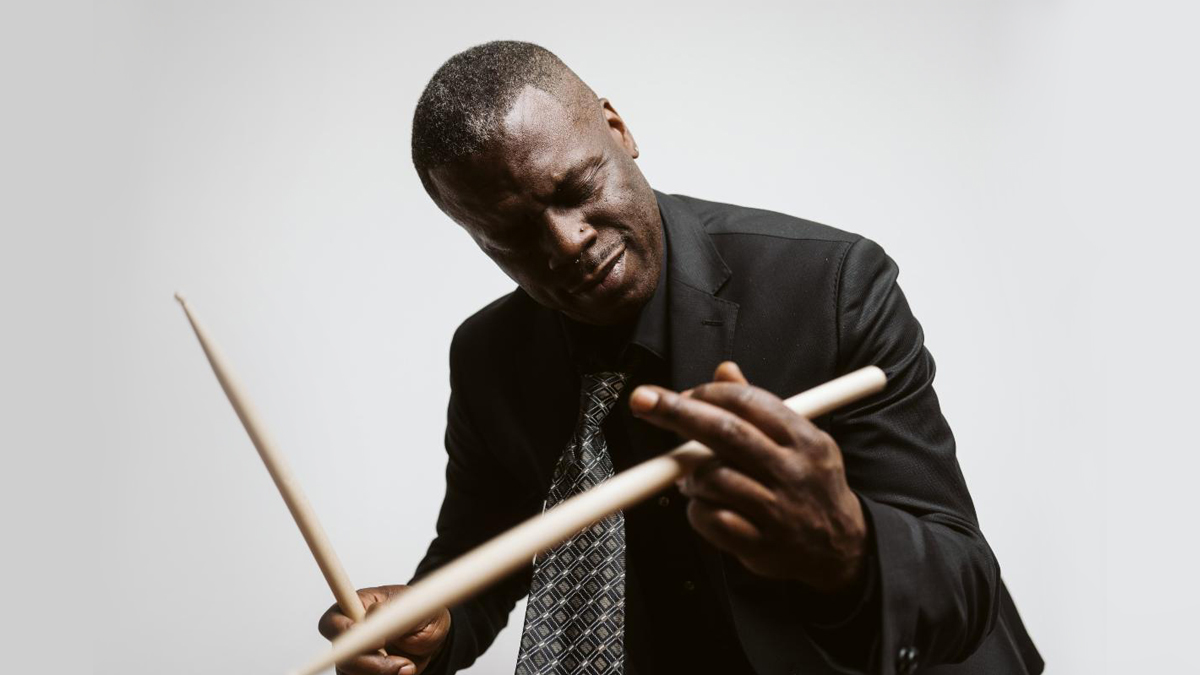
The English review of Gregory Hutchinson: Kind of Now: The Pulse of Miles Davis is HERE.
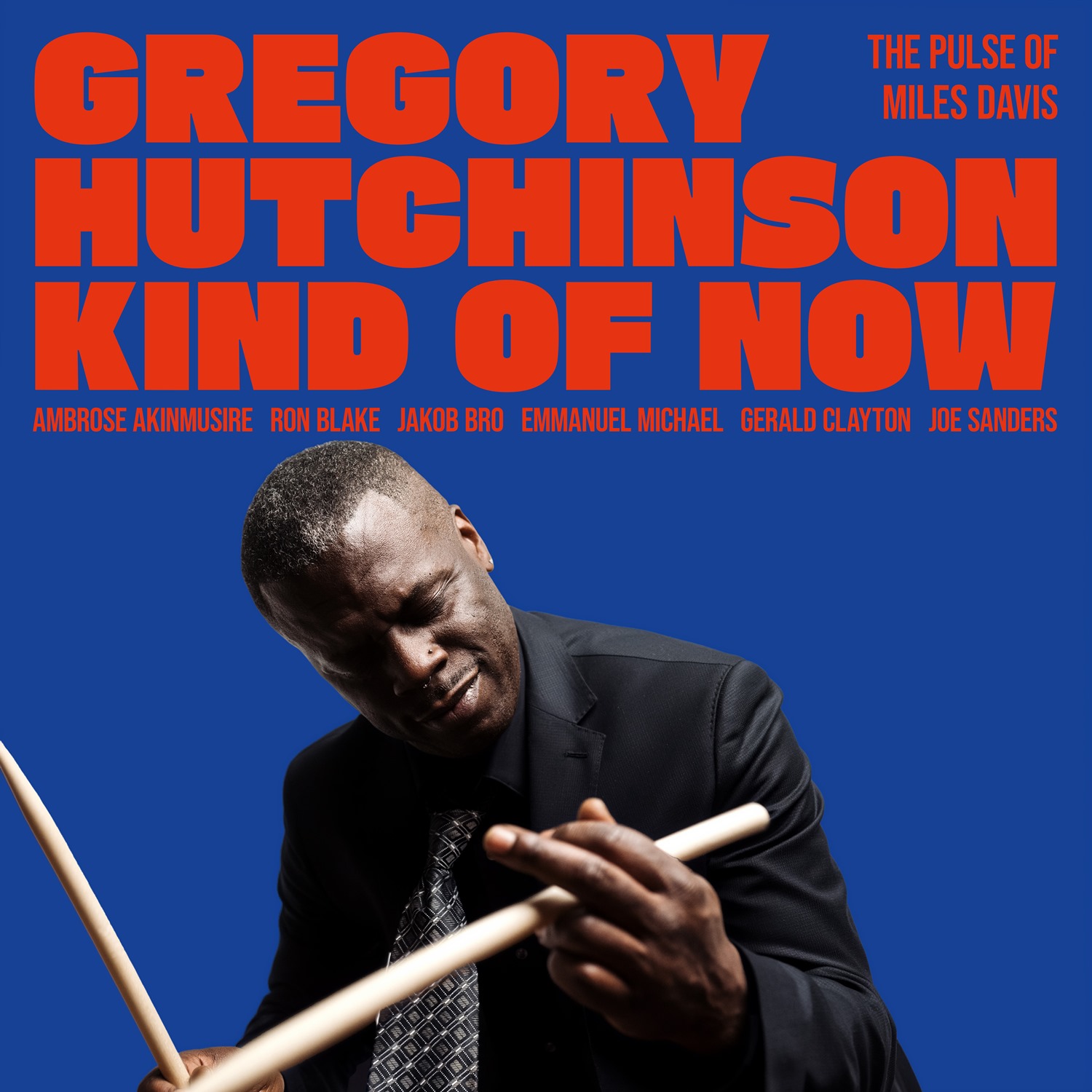
Miles Davis der ki “Zaman en önemli şey değil, tek şeydir”. Bu söz, müzikte olduğu kadar hayatta da zamanın belirleyici gücünü vurgular. 3 Nisan’da yayımlanacak yeni Gregory Hutchinson albümü Kind of Now: The Pulse of Miles Davis, bu sözü hem müzikal hem de felsefi düzlemde somutlaştıran projelerden biri olarak karşımıza çıkıyor. Miles Davis’in doğumunun yüzüncü yılında yayımlanan bu güzel albüm, yalnızca bir anma kaydı değil; Miles’ın başlattığı yaratıcı diyaloğun günümüzde nasıl sürdürülebileceğine dair güçlü bir önerme.
Albüm, 35 yıllık kariyerinde hem eşlikçi hem de lider olduğu projelerde dikkatleri üzerine çekmeyi başaran kaliteli caz davulcusu Gregory Hutchinson’ın öncülüğünde kaydedildi. Hutchinson’ın yaklaşımı net: “Bu proje, Miles’ı yeniden yaratmakla ilgili değil; onun başlattığı konuşmayı sürdürmekle ilgili.” Bu tavır, albümün tüm estetiğine yansıyor. Kind of Now, nostaljik bir tekrar yerine Miles Davis’in müzikal evrimini çağdaş bir bilinçle yeniden düşünmeye çalışıyor.
Davulcu Hutchinson, bu projeyi hazırlarken Miles Davis’in kariyerinde yanında yer alan Kenny Clarke, Philly Joe Jones, Jimmy Cobb, Jack DeJohnette, Billy Hart ve Al Foster gibi davulculardan ilham aldı. Repertuvar ise 1950’lerin bebop köklerinden başlayıp Bitches Brew’un elektrikli açılımlarına kadar uzanıyor. Böylece geçmiş, bugünün müzikal diliyle yeniden hayat buluyor.
Projenin başarısında seçilen müzisyenlerin rolü belirleyici. Miles Davis’in gruplarında olduğu gibi burada da lider, kendi döneminin en yaratıcı seslerini bir araya getiriyor.
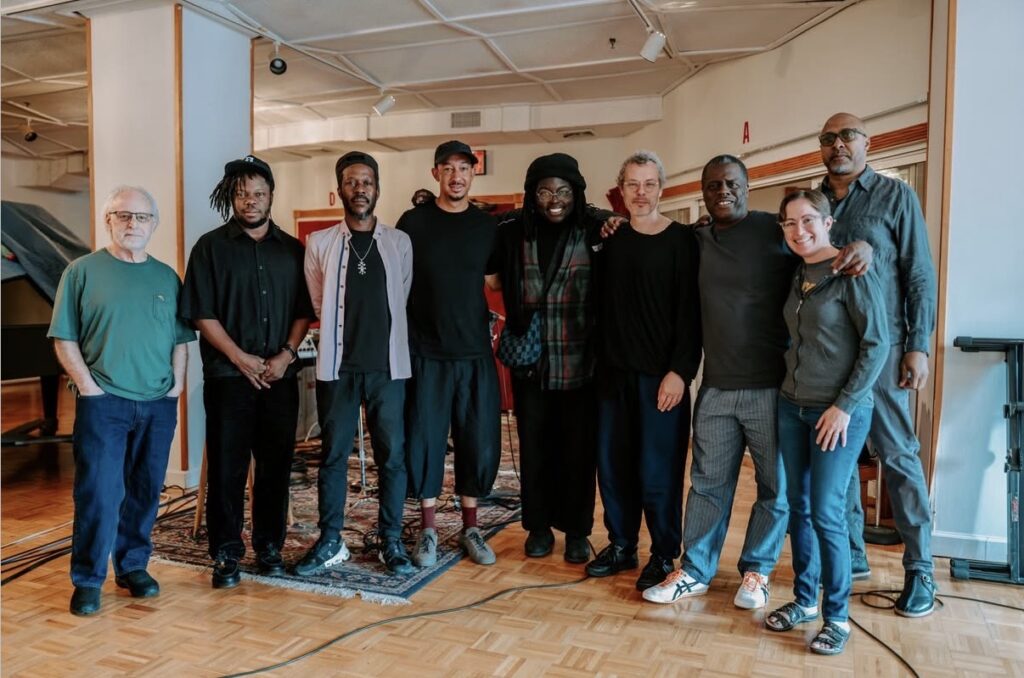
Ödüllü trompetçi Ambrose Akinmusire, Miles’ın mirasını taklit etmeden taşıyabilen nadir isimlerden biri. Kendi estetik dünyasını koruyarak Miles’a göndermeler yapması, albümün en güçlü yanlarından biri. Gitarlarda Emmanuel Michael ve Jakob Bro, iki farklı yaklaşımı temsil ediyor: biri genç kuşağın enerjisini ve keskinliğini, diğeri ise atmosfer, boşluk ve renk anlayışını. Hutchinson’ın Jakob Bro için söylediği “In a Silent Way ruhunu hatırlatıyor” cümlesi, albümdeki zamansızlık hissini özetliyor.
Saksofonda New York caz sahnesinin tecrübelilerinden biri olan Ron Blake’in varlığı albüme tarihsel bir süreklilik kazandırıyor. Blake, kariyeri boyunca Johnny Griffin, Joe Henderson, Stanley Turrentine, Branford Marsalis ve Joshua Redman gibi isimlerle birlikte çalışmıştı. Hutchinson’la ise Roy Hargrove dönemine uzanan ortak geçmişleri, müziğe derin bir ortak geçmiş gücü katıyor. Piyanoda genç aslan olarak başladığı müzik hayatını dev piyanistlerin mirasçısı rolüne evrilten Gerald Clayton, gelenek ile modern anlatım arasında kurduğu dengeyle albümün düşünsel boyutunu güçlendiriyor. Karizmatik basçı Joe Sanders ise sağlam ve nefes alan zamanı ile grubun merkezinde yer alıyor; Hutchinson’ın ifadesiyle “Ron Carter gibi soluyan ama kendi dili olan” bir temel sunuyor.
Repertuvar seçimi de dikkat çekici. Charlie Parker’ın Ah-Leu-Cha’sı ve Miles’ın Fran-Dance, Fall, Orbits, Feio, Water Babies, Seven Steps To Heaven gibi bilinen parçalar, klişe yorumlardan uzak durularak ele alınıyor. Albüm, “en çok bilinen” yerine “en iyi uyarlanabilen” parçaları tercih ediyor ve onları bugünün müzikal algısına göre yeniden şekillendiriyor. Hutchinson’ın davul araları, albümün dramatik yapısını kuran önemli geçişler olarak işlev görüyor; zaman duygusunu sadece ölçüyle değil, anlatımla da kuruyor.
Albümde Charlie Parker’ın ve Miles’ın gibi unutulmaz eserlerinin yanında Hutchinson’ın üç özgün bestelesi de yer alıyor. Hutchinson’ın kendi besteleri Miles’ın kanatlarında yükselerek kendi kompozisyonlarını yazabilme gücüne erişen sayısız efsane besteciye referans veriyor.
Christian McBride’ın albüm notlarında söylediği gibi, “Miles’a adanmış albümler piyasada bolca var, ama bu albüm farklı. (…) Hutch’ın liderliğinde, müzik gerektiğinde sıkı bir şekilde salınırken, anın gerektirdiği durumlarda modern bir esneklikle nefes alıyor.” Buna katılıyorum.
Her müzik kendi zamanına aittir, bazı albümler ise her zamana aittir. Sonuç olarak Kind of Now: The Pulse of Miles Davis, Miles Davis’in mirasına duyulan saygıyı, yaratıcı cesaretle birleştiren etkileyici bir çalışma. Gregory Hutchinson, yalnızca büyük bir davulcu değil; aynı zamanda tarihsel bilinçle düşünen bir müzik anlatıcısı olarak öne çıkıyor. Albüm, Miles’ın müziğinin hâlâ “şimdi”de olduğunu ve geleceğe konuşmaya devam ettiğini hatırlatıyor.
Özgün yorumdan daha iyisini yapmak epey zordur ve bunu yapsa Miles Davis yapabilirdi. Bu albüm, sadece bir saygı duruşu değil; cazın sürekliliğine dair güçlü bir manifesto. Albümdeki icralar, özgün hallerine sadakat duyularak, Miles’ın önce icat edip sonra altüst ederek yeniden yazma iç güdüsüne uygun olarak yaratılmış. Ve Hutchinson’ın zaman anlayışıyla söylersek: Bu müzik, geçmişten değil, şimdiden geliyor.
■
Gregory Hutchinson – Kind of Now: The Pulse of Miles Davis
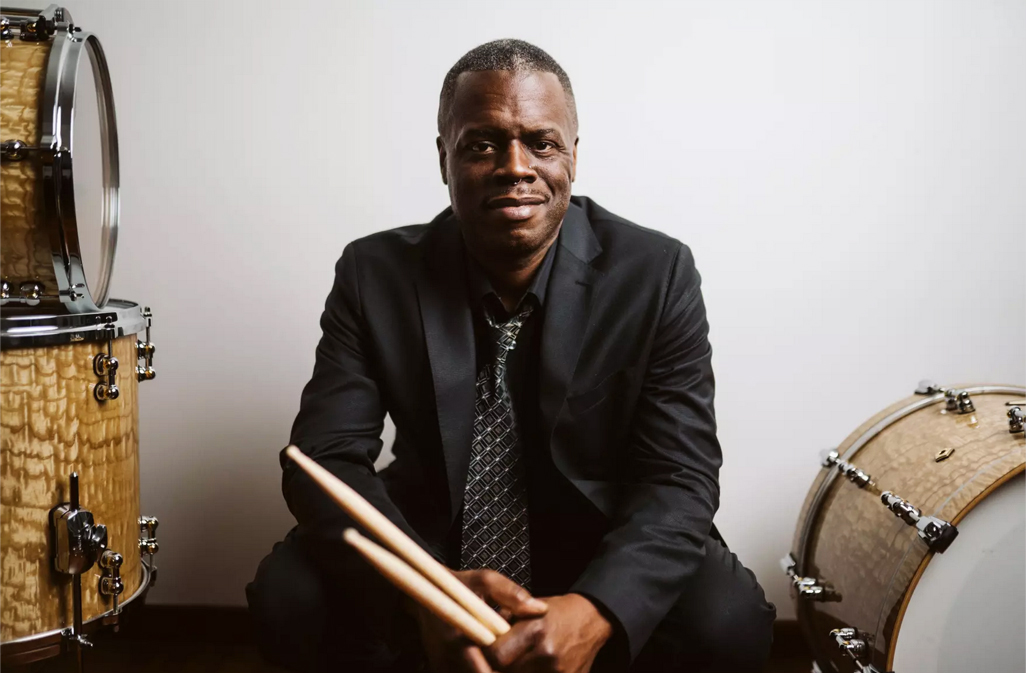
Miles Davis said, “Time isn’t the main thing, it’s the only thing” This quote emphasizes the decisive power of time in life as much as it does in music. The new Gregory Hutchinson album Kind of Now: The Pulse of Miles Davis, to be released on April 3, is one such project that embodies this quote on both a musical and philosophical level. Released as we approach the centenary of Miles Davis’ birth, this beautiful album is not merely a tribute; it is a powerful statement about how the creative dialogue Miles initiated can be sustained today.
The album was recorded under the leadership of Gregory Hutchinson, a top notch jazz drummer who has managed to draw attention to himself in projects where he has served both as an accompanist and a leader throughout his 35-year career. Hutchinson’s approach is clear: “This project isn’t about recreating Miles; it’s about continuing the conversation he started.” This attitude is reflected throughout the album’s aesthetic. Kind of Now attempts to rethink Miles Davis’ musical evolution with a contemporary consciousness, rather than offering a nostalgic rehash.
Drummer Hutchinson drew inspiration from drummers such as Kenny Clarke, Philly Joe Jones, Jimmy Cobb, Jack DeJohnette, Billy Hart, and Al Foster, who were part of Miles Davis’ career, while preparing this project. The repertoire spans from the bebop roots of the 1950s to the electric expansions of Bitches Brew. Thus, the past is reborn through today’s musical language.
The role of the selected musicians is decisive in the project’s success. As in Miles Davis’s groups, here too the leader brings together the most creative voices of his era.
An award-winning musician and composer Ambrose Akinmusire on trumpet is one of the rare names who can carry on Miles’ legacy without imitating him. His ability to pay homage to Miles while maintaining his own aesthetic world is one of the album’s strongest points. On guitar, Emmanuel Michael and Jakob Bro represent two different approaches: one embodies the energy and sharpness of the younger generation, while the other focuses on atmosphere, space, and color. Hutchinson’s statement about Jakob Bro, “He recalls the spirit of In a Silent Way,” sums up the timeless feeling of the album.
Ron Blake, one of the veterans of the New York jazz scene on saxophone, lends the album a sense of historical continuity. Throughout his career, Blake has worked with giants such as Johnny Griffin, Joe Henderson, Stanley Turrentine, Branford Marsalis, and Joshua Redman. His shared history with Hutchinson, stretching back to the Roy Hargrove era, adds a deep sense of shared musical heritage to the music.
Gerald Clayton, who began his musical life as a young lion working with Charles Lloyd on the piano and has evolved into the role of heir to the great pianists, strengthens the album’s intellectual dimension with the balance he strikes between tradition and modern expression. The charismatic bassist Joe Sanders, with his solid and breathing time, is at the center of the group; in Hutchinson’s words, he provides a foundation that “breathes like Ron Carter but has its own language.”

The repertoire selection is also noteworthy. Charlie Parker’s Ah-Leu-Cha and Miles’s well-known pieces such as Fran-Dance, Fall, Orbits, Feio, Water Babies, and Seven Steps To Heaven are approached without resorting to clichéd interpretations. The album chooses “most singable” pieces over “most well-known” ones and reshapes them according to today’s musical sensibilities. Hutchinson’s drum breaks serve as important transitions that build the album’s dramatic structure, establishing a sense of time not only through meter but also through expression.
Alongside timeless works by Charlie Parker and Miles, the album also features three original compositions by Hutchinson. Hutchinson’s own compositions reference countless legendary composers who rose on the wings of Miles and attained the power to write their own compositions.
As nine-time Grammy winner bassist Christian McBride says in the album liner notes, “There’s no shortage of Miles tribute records out there, but this one feels different. (…) Under Hutch’s leadership, the music swings hard when it needs to, and breathes with modern flexibility when the moment calls for it.” Agreed with that.
Every piece of music belongs to its own time, but some albums belong to all times. As a result, Kind of Now: The Pulse of Miles Davis is an impressive work that combines respect for Miles Davis’ legacy with creative courage. Gregory Hutchinson is not only a great drummer; he also stands out as a music storyteller with historical awareness. The album reminds us that Miles’ music is still “now” and continues to speak to the future.
It’s quite difficult to make something better than the original interpretation, and if anyone could have done it, it would have been Miles Davis himself. This album is not just a tribute; it is a powerful manifesto on the continuity of jazz. The pieces on the album were created with fidelity to the originals, in line with Miles’ instinct to first invent and then rewrite. And in Hutchinson’s understanding of time: This music comes not from the past, but from the present.
■
For more information on Gregory Hutchinson, please visit: Instagram / Youtube / TikTok
Dark Blue Notes’da Burak Sülünbaz


