


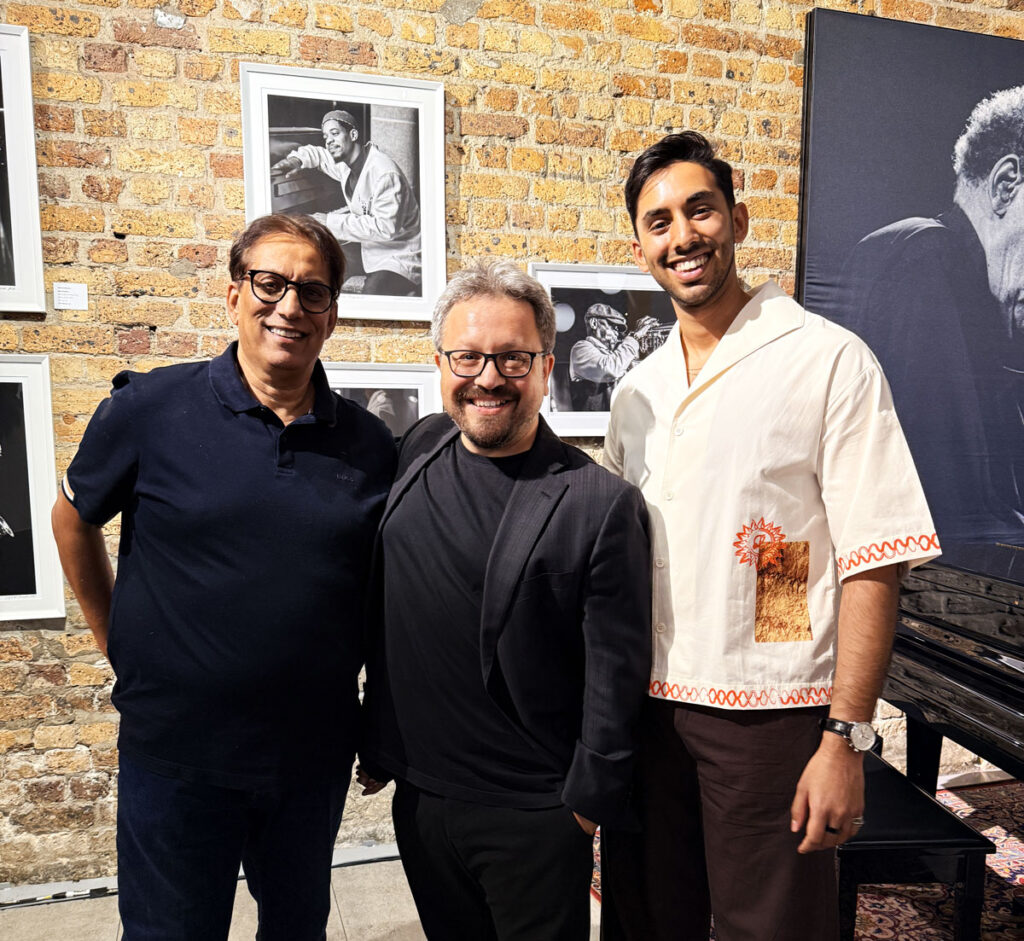
Last year, I was invited to a listening and discussion session at the Jazz Across Borders event, held as part of the Moscow Jazz Festival, which brought together music professionals from all over the world. It was an unforgettable experience for me. Another special aspect of the event was that Dr.Iqbal Survé, the long-time owner of the Cape Town International Jazz Festival—whom host Igor Butman introduced me to—glanced through my writings on the spot, appreciated my contents, and invited me to the Cape Town International Jazz Festival, scheduled for March 27–28. We stayed in constant contact during that time. And the big day finally arrived.
Cape Town, a South African city 9.183 kilometers away from home that deeply embodies the spirit of jazz, was founded in 1652 by Jan van Riebeeck as a supply point for the Dutch East India Company. After enduring the painful periods of colonialism, slavery, and apartheid, it has evolved into one of the world’s most captivating cities today, with its grandeur and multicultural fabric. Blending the traces of history with the free spirit of jazz, this city shines like a pearl in the region. For first-time visitors to Cape Town, Zeist MOCCA, Table Mountain, The Bo-Kaap, Boulders Beach, and Kalk Bay are recommended. I ventured a bit off this beaten path—let me tell you about it.
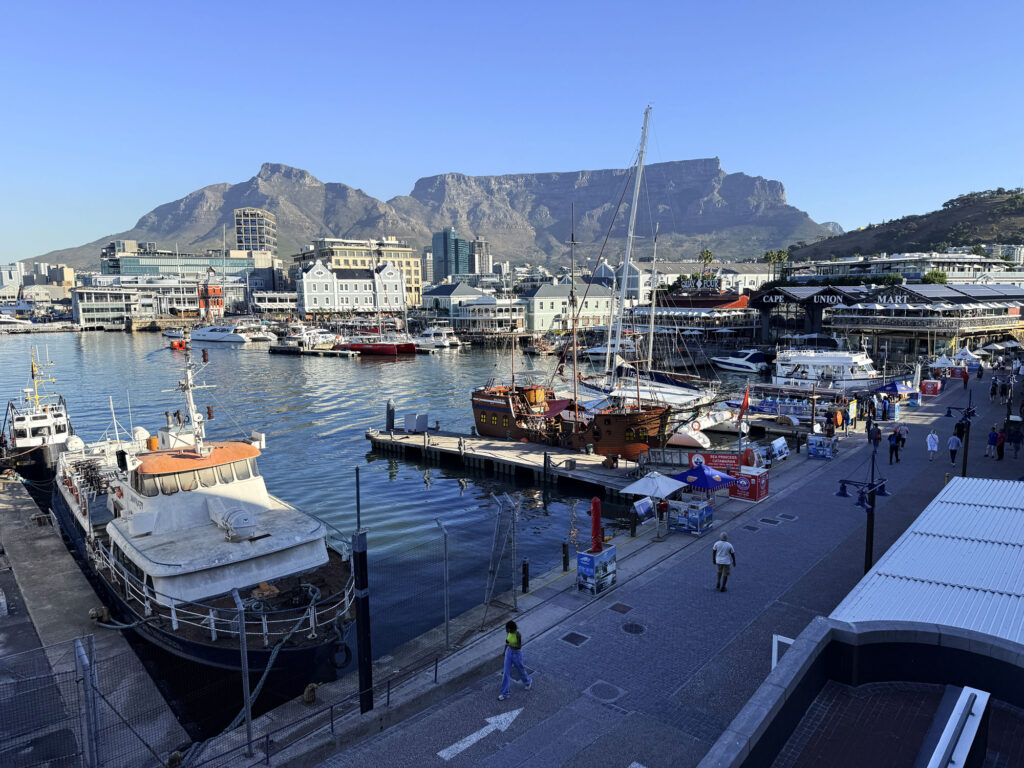
I hadn’t made any plans before arriving in Cape Town; I just let the trip unfold naturally. I spent most of my first day at the hotel, then headed to the Waterfront on the recommendation of the front desk clerk at the Rockafeller. Waterfront’s a tourist district that makes this charming port city even more beautiful. It’s a vibrant hub featuring a shopping center, restaurants, cafes, and social spaces.
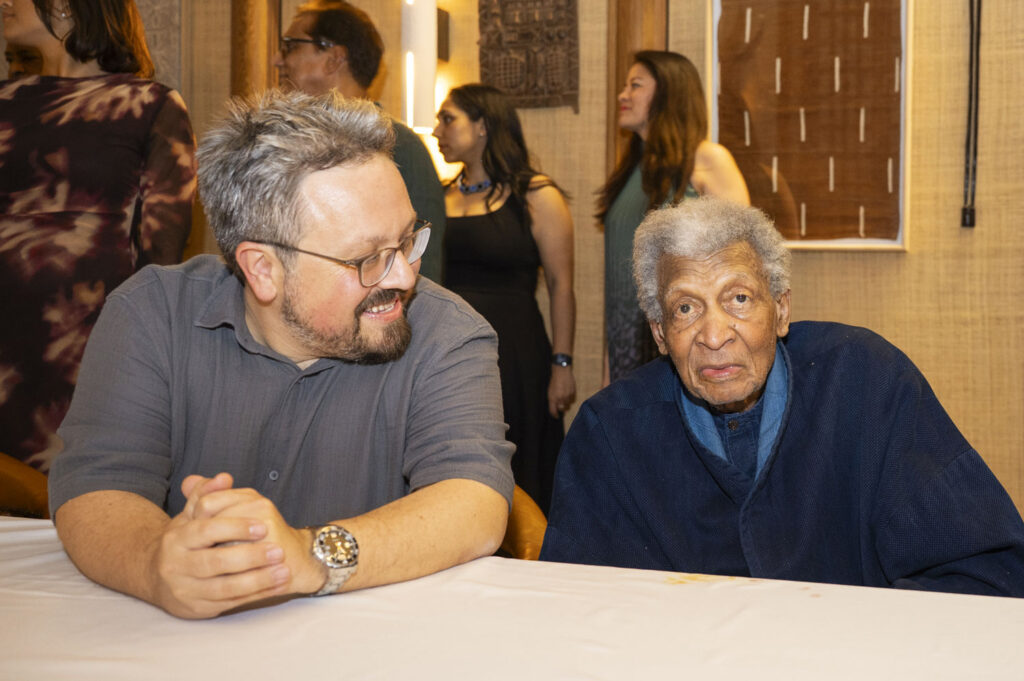
On my first evening in Cape Town, I was invited to a dinner I will never forget. Dr. Surve had invited me to dinner at Rooi Restaurant, part of the One and Only Restaurant complex, along with legendary Abdullah Ibrahim, his close friends, and his family. I felt a sense of ease born of ancient wisdom and a lifelong friendship; for Abdullah Ibrahim was a friend of Iqbal Surve’s father, and so their hearts had always been very close to eachother. I found myself at the same table with one of the heroes who shaped the history of jazz, in an atmosphere of unique peace and joy. It was a great honor for me.
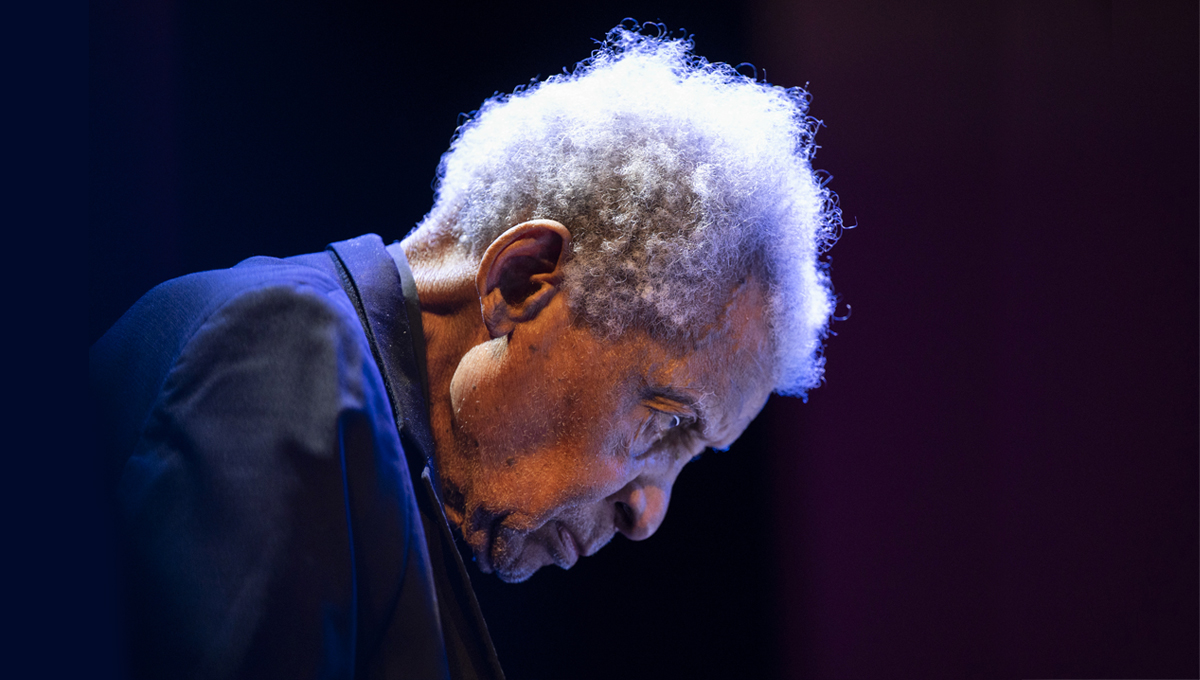
Let me shed some light on who Abdullah Ibrahim is. First and foremost, Abdullah Ibrahim is not merely regarded as a great pianist in jazz history, but also as a cultural, political, and musical bridge figure. Drawing inspiration from pioneers like Duke Ellington, Ibrahim’s music blends the American jazz tradition with South Africa’s local melodies, hymns, and rhythms. This is not merely an “ethnic touch”; it signifies the creation of an entirely new musical language. In particular, Cape Malay music, gospel, and township rhythms are prominent in his works. This makes Ibrahim a national hero for South Africa while positioning him as a veritable world heritage figure for music lovers around the globe.
Ibrahim has been a powerful voice against the apartheid regime in South Africa through his music. One of his best-known works, “Mannenberg,” has become something of an anthem for the anti-apartheid movement. And I see South African people’s respect on him so obviously when I’m in Cape Town.
I saw him perform on stage solo in Istanbul a few years ago. But he chose not to engage with an audience that didn’t appreciate him as much as the one in his own country—and he was absolutely right. He was withdrawn, yet physically more vigorous. Although he had naturally become more frail due to the fatigue of being 91, he was spiritually extremely outgoing and full of talkative energy.
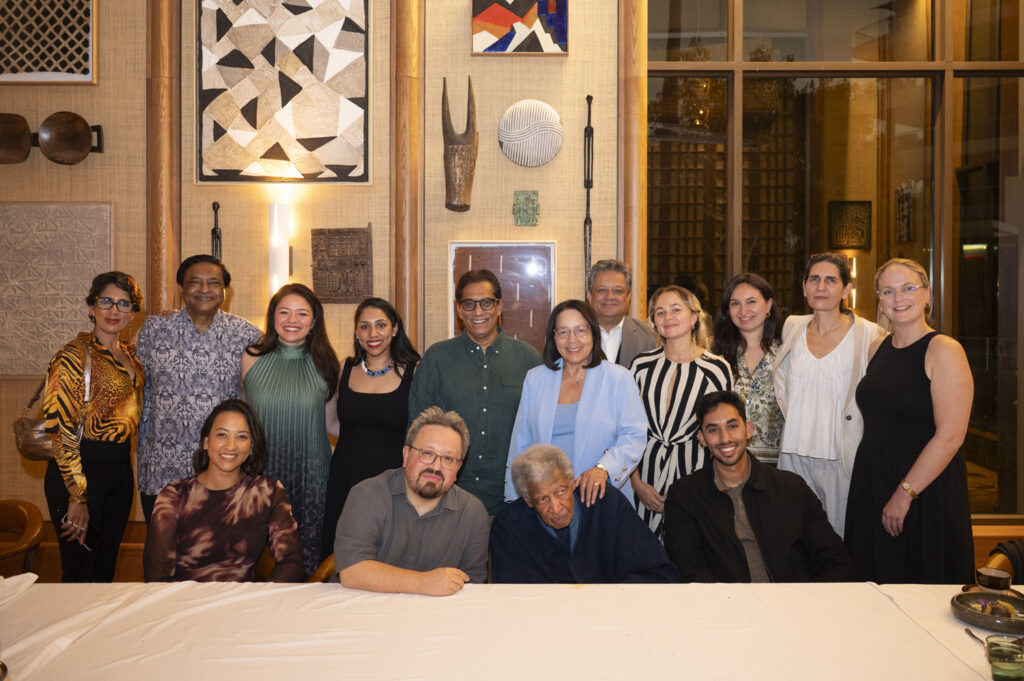
As I sat at the table where Abdullah Ibrahim was seated, I thought that his hands—the hope of his own people—would likely be gliding over the piano keys for the very last time. The conversation extended far beyond music: the secrets of the universe, the horizons opened by telescopes, the ancient peoples’ wisdom of reading the sky… Every sentence he spoke brought forgotten stories of the past into the present. From the connection his ancestors forged with the earth and healing herbs to the Khoi-San people’s legacy tracing back to the origins of humanity, his words drew everyone at the table into rapt attention.
Then the conversation suddenly shifted to personal anecdotes and stories interwoven with humor. He recounted the origin of the name “Dollar Brand,” and the funny moments he experienced completing the missing “dollar” page in his passport at passport control, with such vividness that laughter erupted at the table. He then spoke of the cinemas, streets, and fading stories of District Six. At that moment, I realized that Abdullah Ibrahim’s conversation was like a concert: sometimes heavy and thought-provoking, sometimes light and cheerful. He controlled its tempo and length himself.
As a guest sitting at the table, listening to the lifelong quest of an artist whose words conveyed both the history of a people and a profound human side was an unforgettable experience. Please read the whole story from festival chairman Rayhaan Survé’s article HERE. Rayhaan’s vision and positive, energetic approach will be one of the key factors in shaping this festival’s bright future.
The best way to explore a city is to have the right travel companion by your side. In Cape Town, thankfully Thato Shasha from CTIJF team accompanied me for a one day. Thato, a smart, cheerful, and helpful South African, joined me as we boarded the red bus on Bree Street and headed toward Table Mountain. The weather in Cape Town is so unpredictable that the fog blanketing the mountain’s peak prevented us from reaching the summit. Still, the trees surrounding us and the breathtaking view at the spot we did reach were enough to make the day unforgettable.
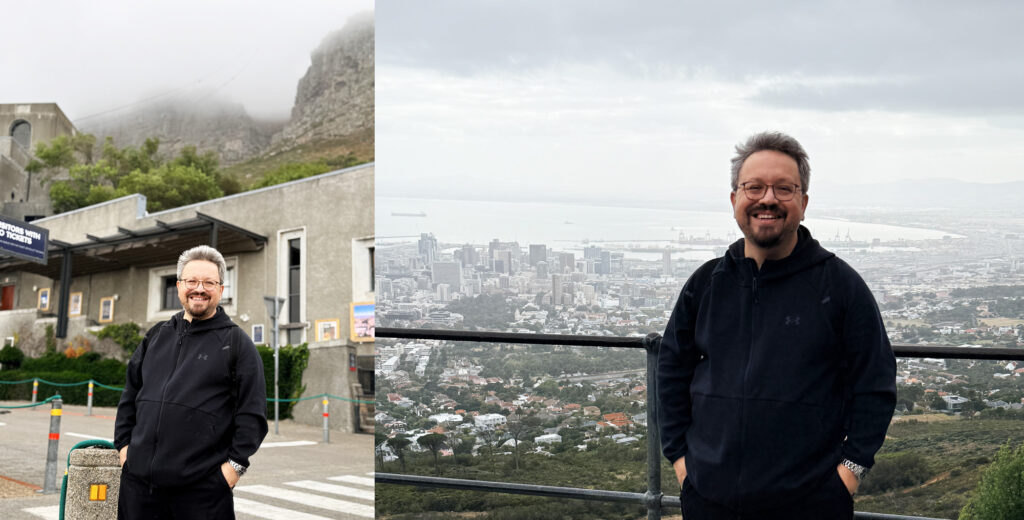
Table Mountain has become one of the places that has left a deep impression on my life with its captivating natural beauty. As Cape Town’s most iconic landmark, this mountain shapes the city’s skyline with its flat summit and is a unique natural wonder listed on the UNESCO World Heritage List. Rising approximately 1,085 meters above sea level, its summit is visible from nearly every point in the city. Considered one of the world’s oldest mountain formations, Table Mountain, along with the adjacent Lion’s Head, is part of the Cape Floral Kingdom and offers a unique exploration area for nature lovers by hosting hundreds of endemic plant species.
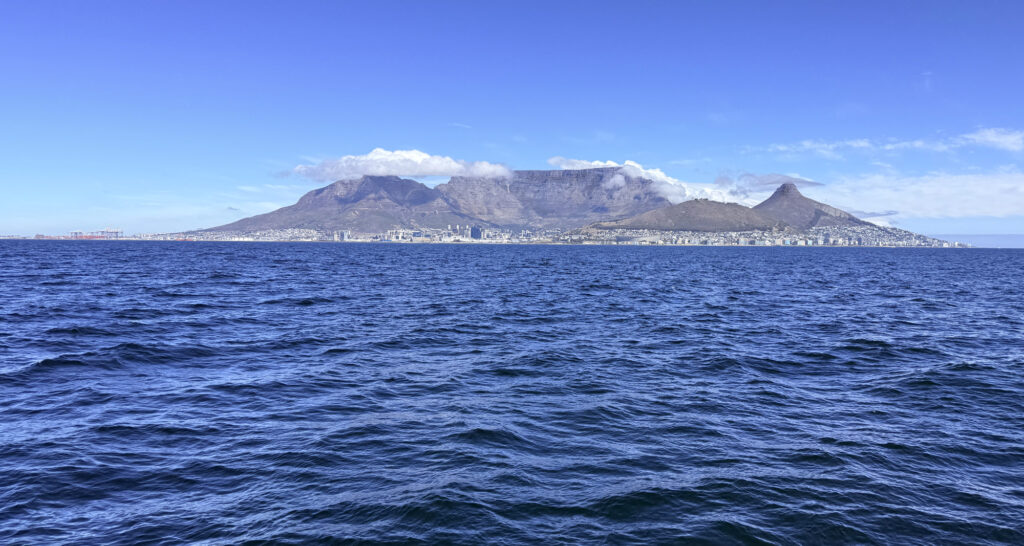
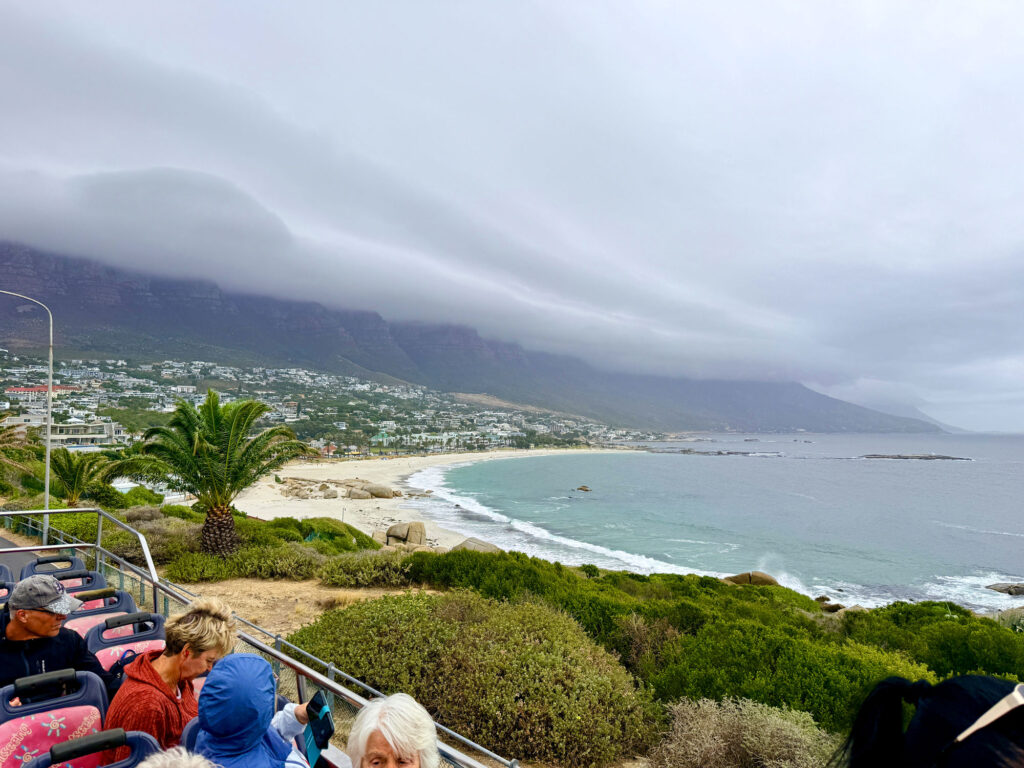
We boarded a sightseeing bus and followed the Atlantic Ocean coastline; as we made our way toward the city center via Camps Bay, Clifton, Sea Point, and Moullie Point, we had the opportunity to observe the city’s most exclusive neighborhoods. Witnessing the lifestyles of people enjoying life amidst these luxurious residential areas made for an unforgettable journey.
Our route then headed toward Bo-Kaap. With its vibrantly painted houses and cobblestone streets, Bo-Kaap is one of Cape Town’s most iconic neighborhoods. A veritable magnet for photography enthusiasts and content creators. As we wandered among the art galleries, the traces of Muslim culture in the neighborhood were distinctly palpable. Historically known as the Malay Quarter, Bo-Kaap has maintained its existence to this day as the long-standing home of the Cape Malay community—descendants of slaves brought from Southeast Asia during the colonial era.
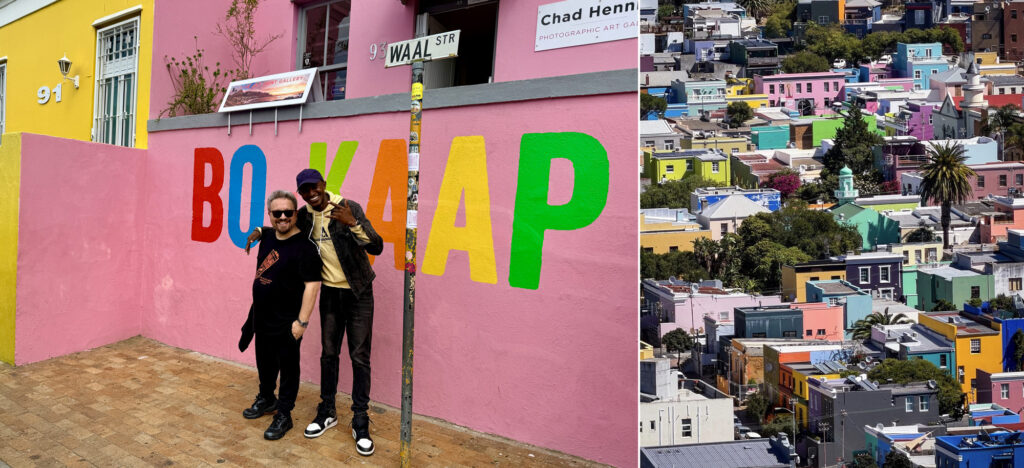
It is believed that the vibrant colors of the houses symbolize freedom and individuality following the end of apartheid-era restrictions. The area is also a spiritual and cultural hub, home to some of South Africa’s oldest mosques, including the historic Auwal Mosque, founded in the late 18th century. You feel as though you’ve stepped into a vibrant visual world spanning a vast area.
Today, Bo-Kaap stands as a powerful reminder of resilience, identity, and heritage. Walking its streets is not just a visual experience; it’s a journey into the heart of Cape Town’s diverse cultural history.
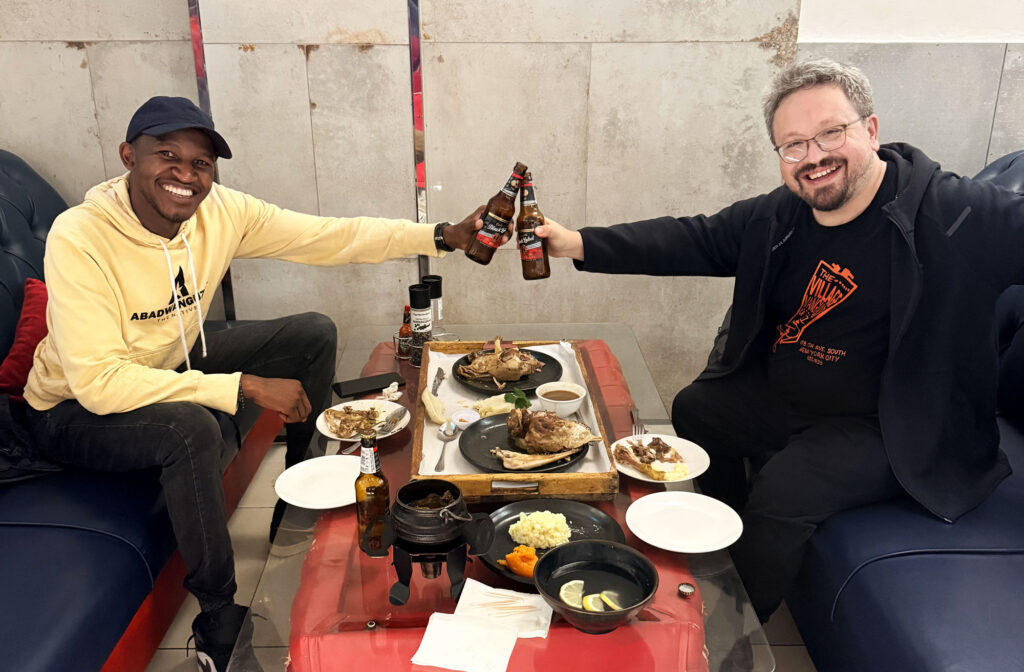
While we were eating traditional African “smiley” meal at Kwa Ace in Khayelitsha—a neighborhood in Cape Town where workers and some of the world’s poorest people live—I asked Thato, as a South African who knows both of these worlds, to share his perspective on life. He told me the following sentences:
“To the world, Cape Town is a postcard of beauty, but to those of us who live here, it is a city divided into two parts: the “Black” parts that hold the poverty, and the “White” parts that hold the wealth.
I was born in 1993, just one year before the “Born Free” generation was supposed to inherit a new South Africa. They told us that after 1994, we were free from Apartheid. But as I look around today, I still see a city split in two. The history is carved into the land, from Langa, the first black township in Cape Town, to Khayelitsha, the second largest in the country.
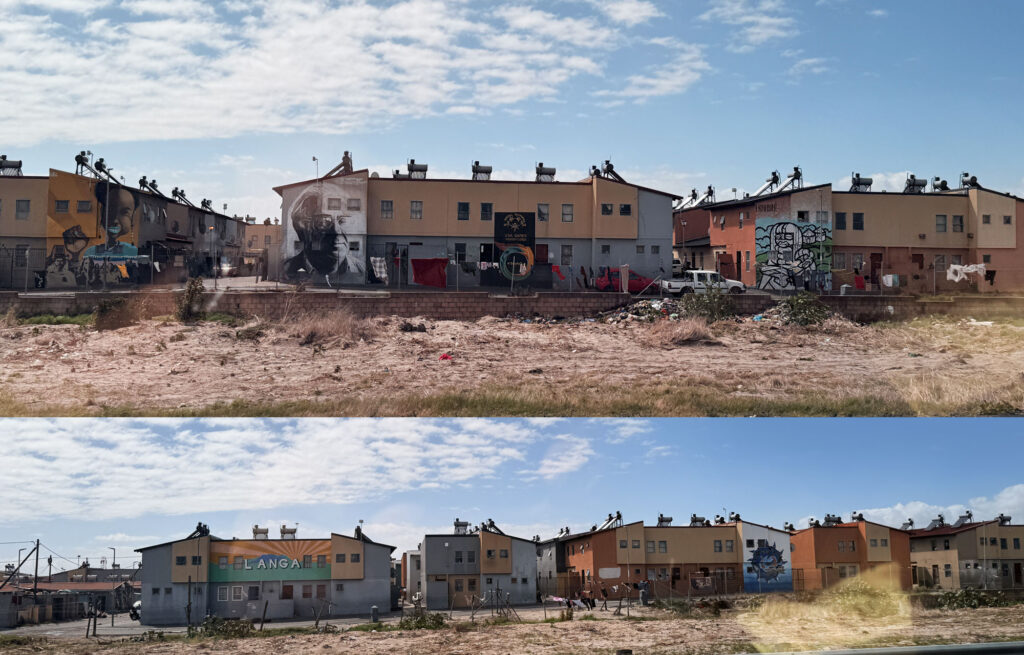
Khayelitsha means “New Home.” It began in the 80s when our people left the Eastern Cape, traveling to the city in search of work and a better life. Even today, the cost of living keeps the city out of reach for many, but the people have stopped waiting for the city to invite them in. Instead, they are building a city of their own.
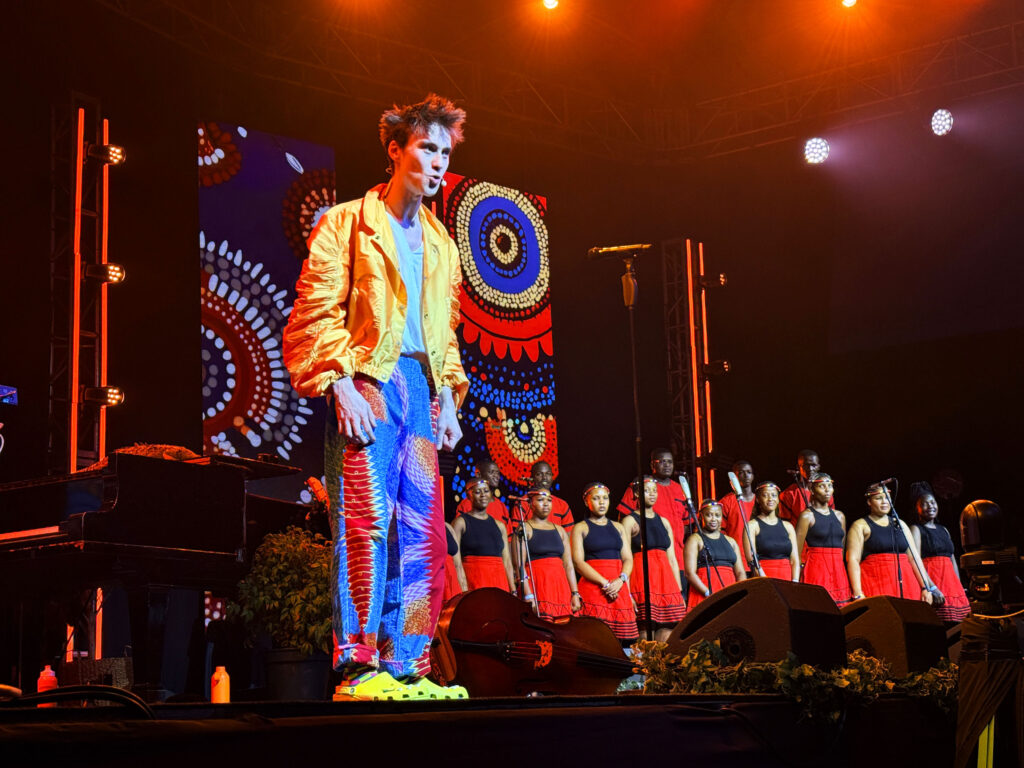
Khayelitsha is no longer just a place of struggle; it is a home for explosive talent. Our youth are reaching heights the world hasn’t seen. Just recently, the Thanda Choir, a group born from our own streets, shared the stage at the Cape Town International Jazz Festival with global star Jacob Collier. It was a moment that showed the world what Khayelitsha is made of.
While it is a place full of educated, unemployed youth, that frustration has turned into fire. These young people are not waiting for jobs—they are starting their own businesses. The economy is generating right here in the township. From the vibrant energy of Kwa Ace, where families eat traditional African cuisine by day and the lounge hums with South African dance music by night, to the streets where we wear local brands like Ruther Unique, the tide is turning.”
People are making millions within these borders. The “New Home” has become a self-sustaining world where you no longer have to travel to the city for shopping or entertainment. We are rewriting the story of the Two Capes—one business, one song, and one “New Home” at a time.“
CTIJF 2026 Free Concert
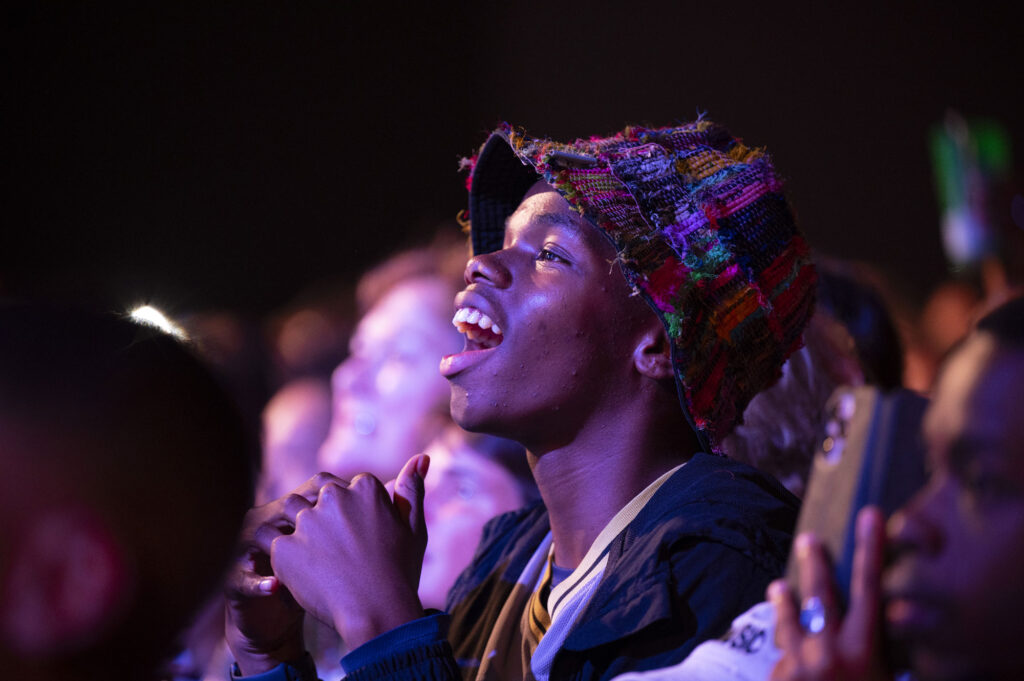
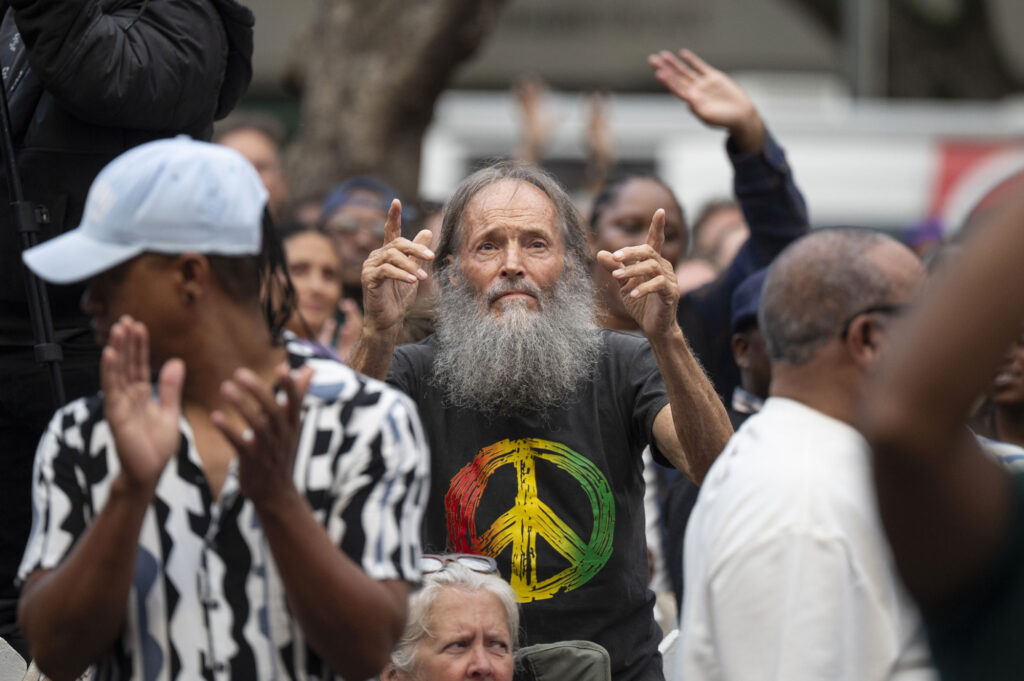
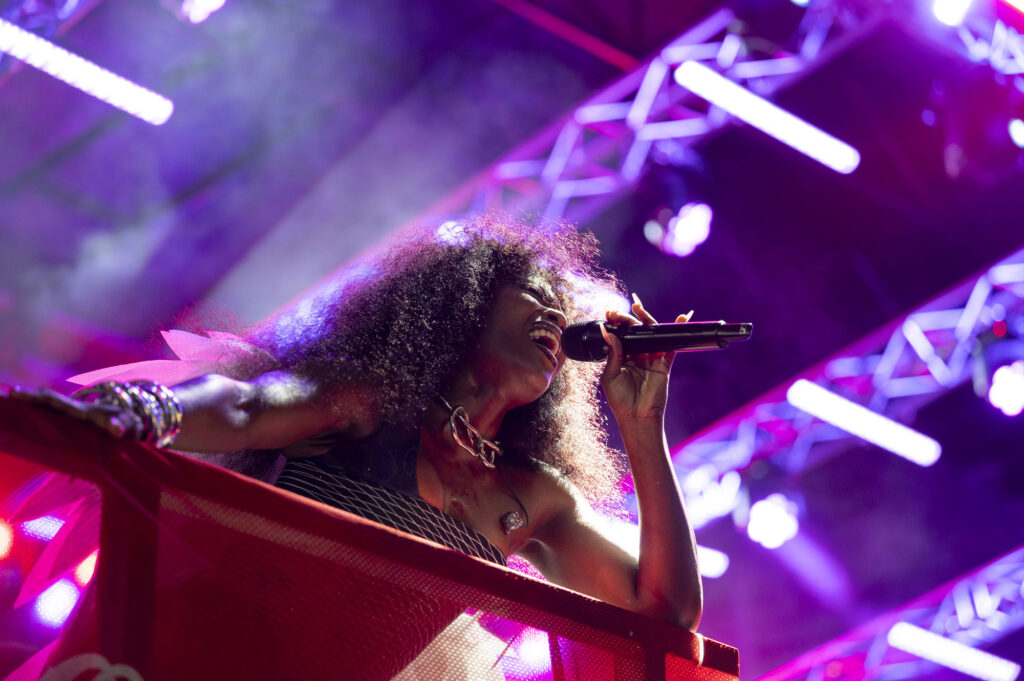
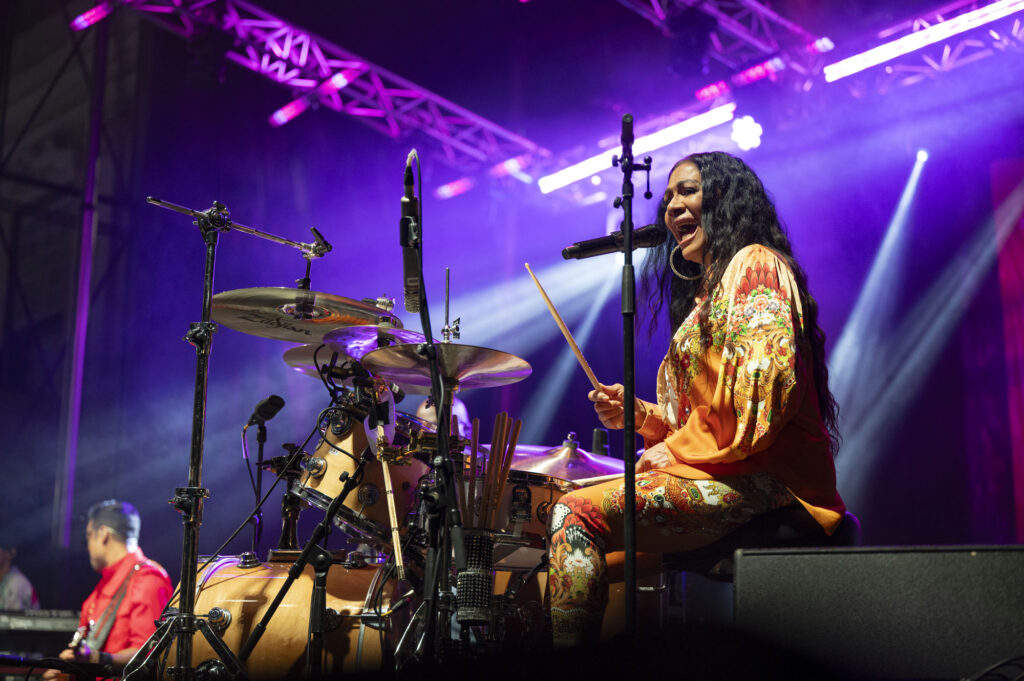
As part of CTIJF 2026, a free and entertaining concert was held on the evening of March 25 at Green Market Square in the city center to introduce the festival to a wider audience. The concert, hosted by Megan Edwards and Getshawn Coetzee, featured DJ Shannon from Heart FM, Joneca, Zolani Mahola, Cameron Ward, Justin Lee, Zoe Modiga, and, for the finale, Grammy-winning drum icon Sheila E & The E-Train. Local people were having fun surrounded with quality music and street food and drinks. If you happen to find yourself at Green Market Square in Cape Town, be sure to visit Baran’s Kurdish Restaurant just in the corner. You won’t believe how good the food is. I felt myself home.
Press Conferences
In my opinion, one of the best aspects of jazz festivals is the workshops and panel discussions featuring the invited artists. This allows journalists and musicians to engage directly with world-renowned musicians. As part of the Cape Town International Jazz Festival, Grammy Award-winning Shelia E met with the press on the morning of March 26, accompanied by festival director Georgia Jones hosted by Megan Edwards. Sheila E’s panel covered a wide range of topics, from the obstacles women face in the music industry to her collaborations with legendary figures like Prince and Michael Jackson, all in response to journalists’ questions. Georgia Jones, meanwhile, shared her views on the sustainability of a festival built through deliberate steps and proper process management.
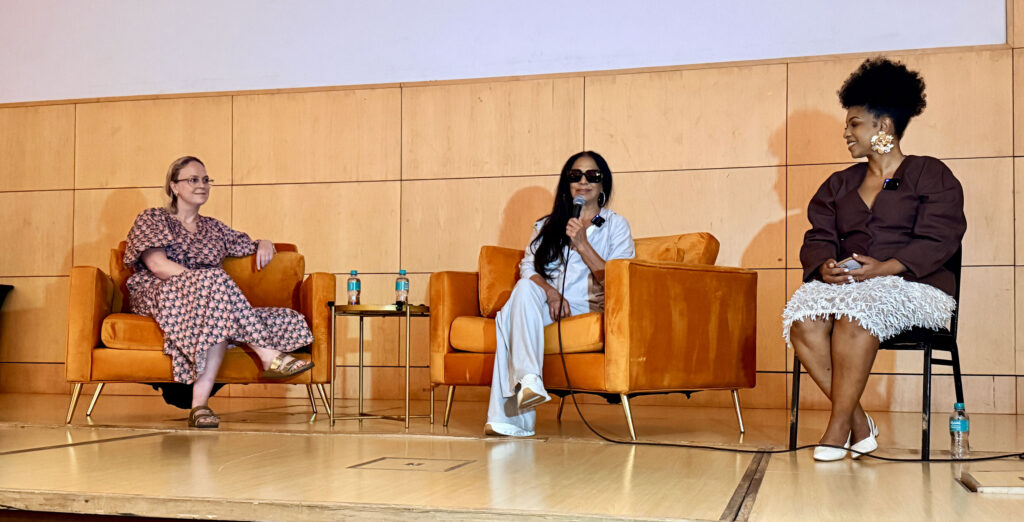
And then, the Yellowjackets (a crossover powerhouse with a half-century-long history) answered the question of the press. The Yellowjackets held a panel discussion focused on their production practices, highlighting how collective creation, internal harmony, and the group’s democratic structure contribute to their music. They provided answers to the lengthy and comprehensive questions that were just as detailed and satisfying as the questions themselves. Frankly, based on my observations, the journalists were very well-prepared and knowledgeable.
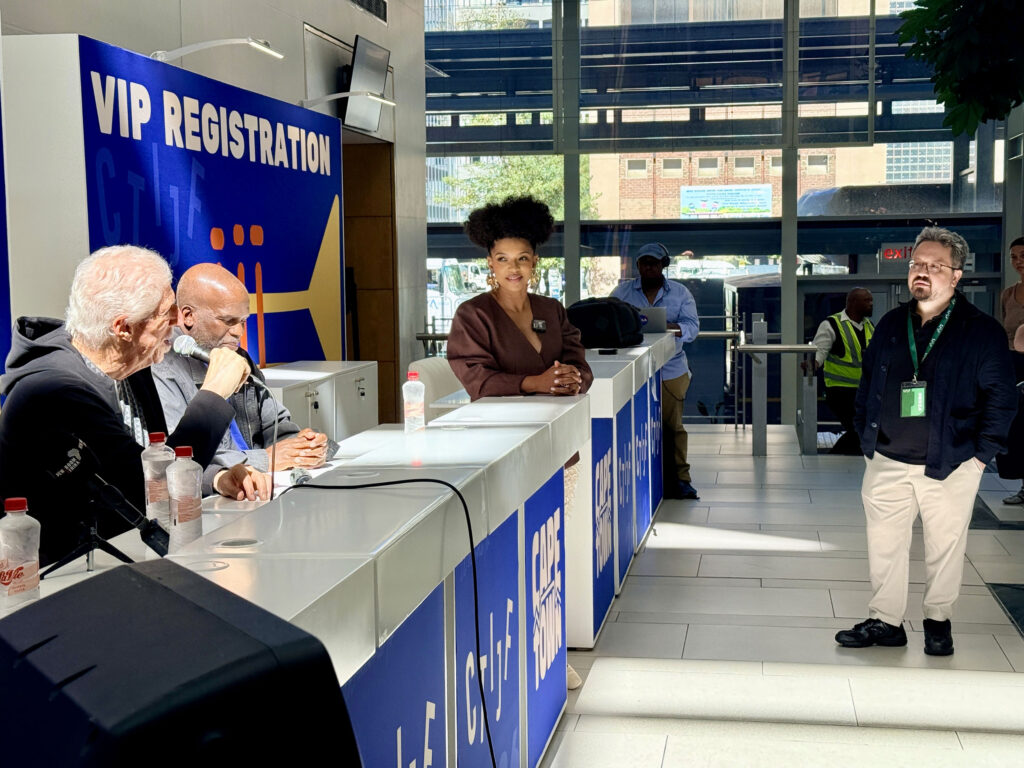
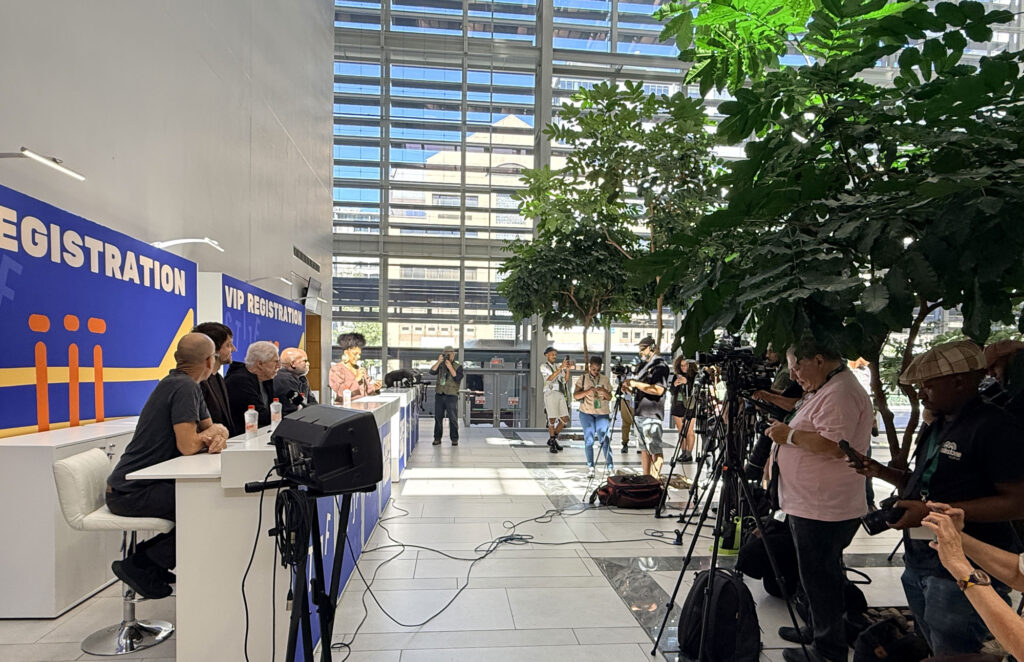
In the final panel of the day, living legend Abdullah Ibrahim met with young generation music writers and members of the press ahead of his concert—which had actually been planned before the pandemic but took place this year. He provided detailed answers to every question asked; at times, he jumped from one topic to another on the fly, even going beyond the questions to touch on different and mysterious subjects. He has a different kind of wisdom far beyond time and space.
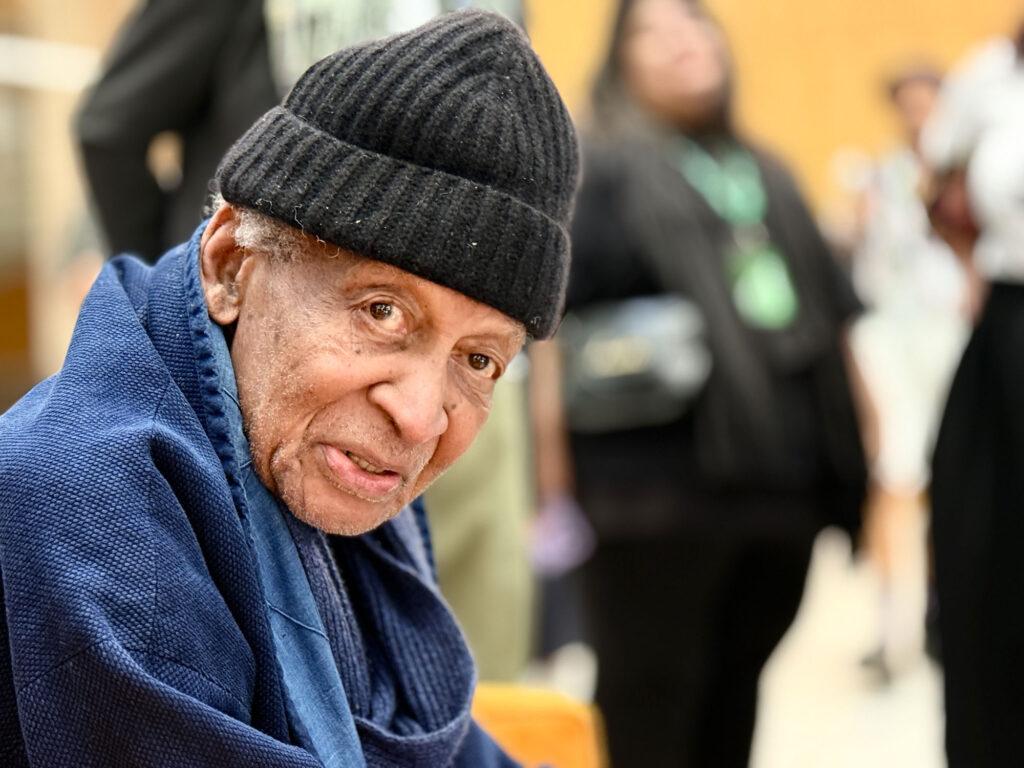
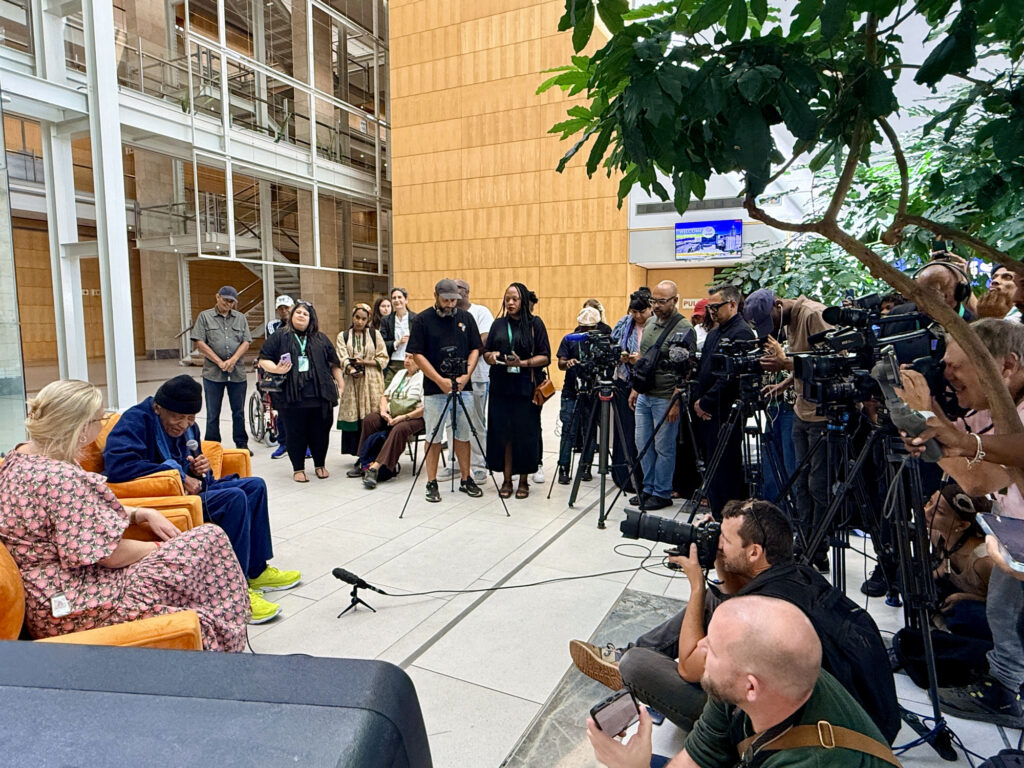
The following remarks by Ibrahim in my notes particularly stand out:
“We are sound scientists. We deal with sound.”

“We deal with sound and time.”

“Time is a strange concept.”

“We are not jazz musicians.”

“There is no past. There is no future.”

“What good is tradition? What else can you do besides selling tradition?”

“What is my native language? TRUTH.”
During the panel, he spoke about the problems with the education system and the importance of education; he talked about getting to know South Africa through its landscapes and learning its true history—the kind not taught in schools. Watching this enlightening and entertaining conversation between a 91-year-old sage and the young people, one couldn’t help but feel grateful that such a profound thinker had been sent to our time and our universe.
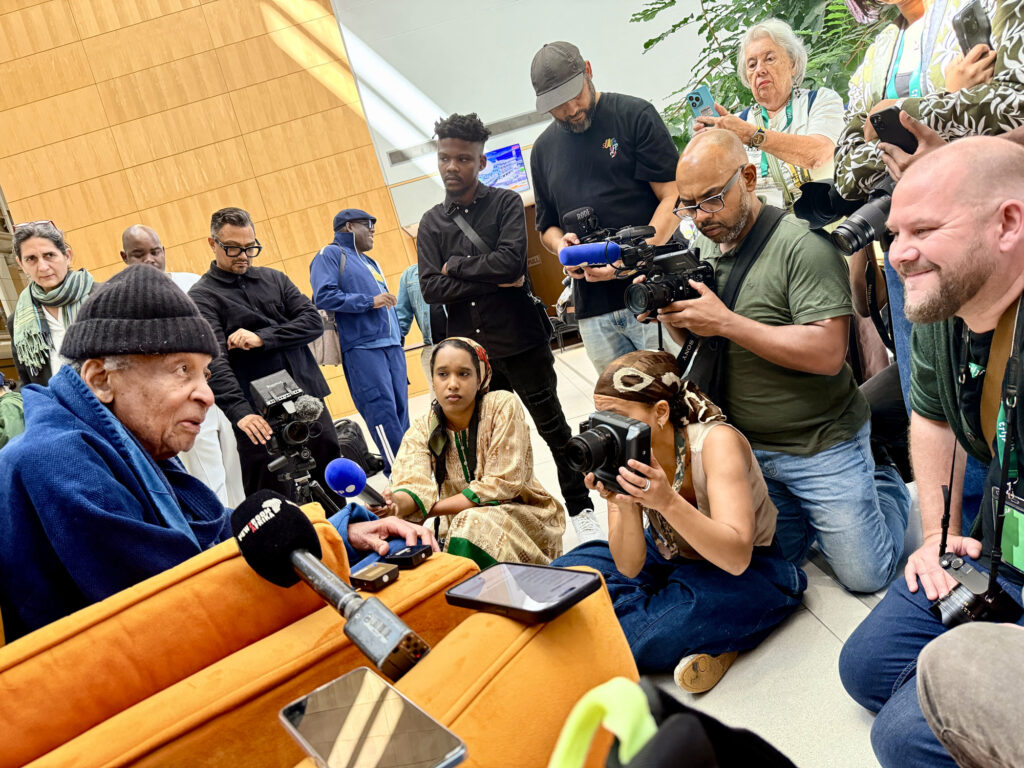
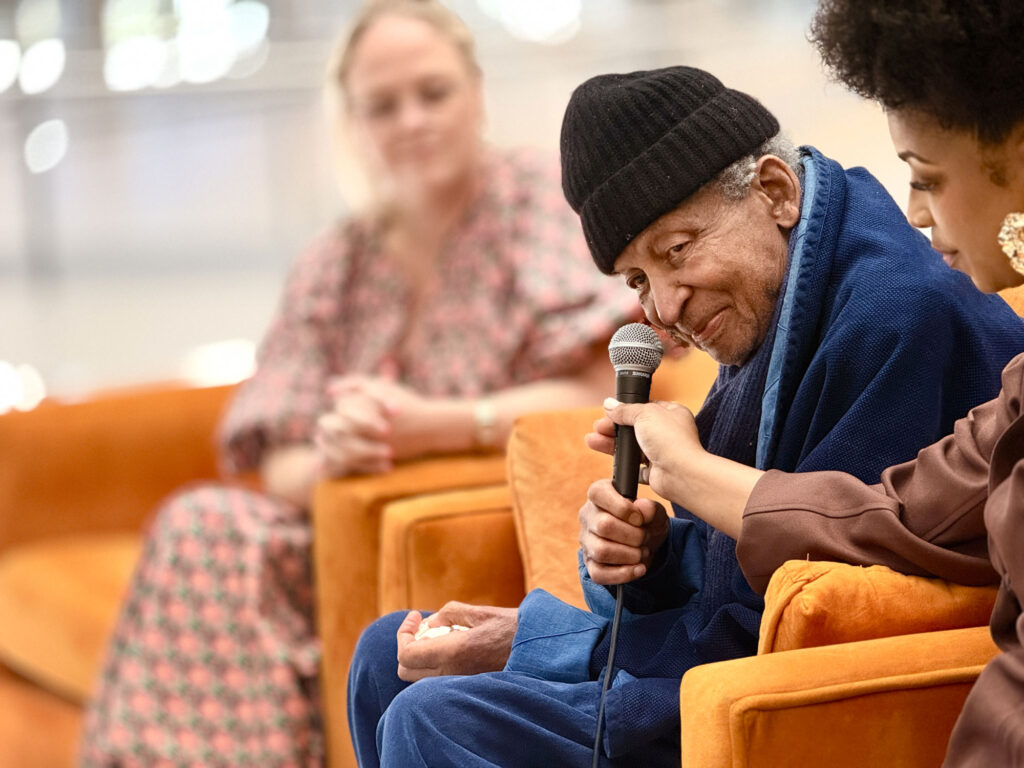
Note: There were many more workshops and panels held during the festival, but because of my schedule I wasn’t able to attend them all.
Robben Island Prison and Lives Dedicated to Freedom
On the morning of March 27, I set out on yet another unforgettable journey. My visit to Robben Island Prison located Southern Atlantic Ocean, which I undertook as part of the Cape Town International Jazz Festival alongside just a few invited guests, gave me a profound sense of the value of the struggle for freedom and human rights.
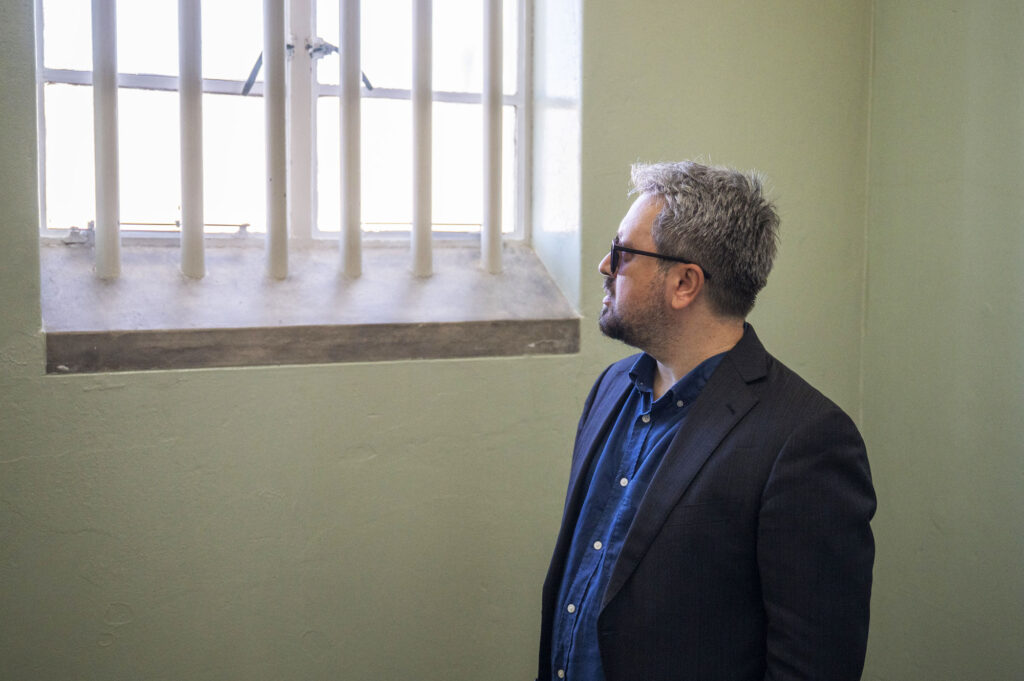
The apartheid system, which began in 1948, enforced strict segregation between black and white people, severely restricting the rights of black individuals. I had the privilege of entering Cell No. 46664, where “Madiba” Nelson Mandela spent 18 of his 27-year sentence on the island for his political struggle against apartheid, and I listened to the experiences shared by former prisoners Dede Ntsoe Lengoe and Saths Cooper.
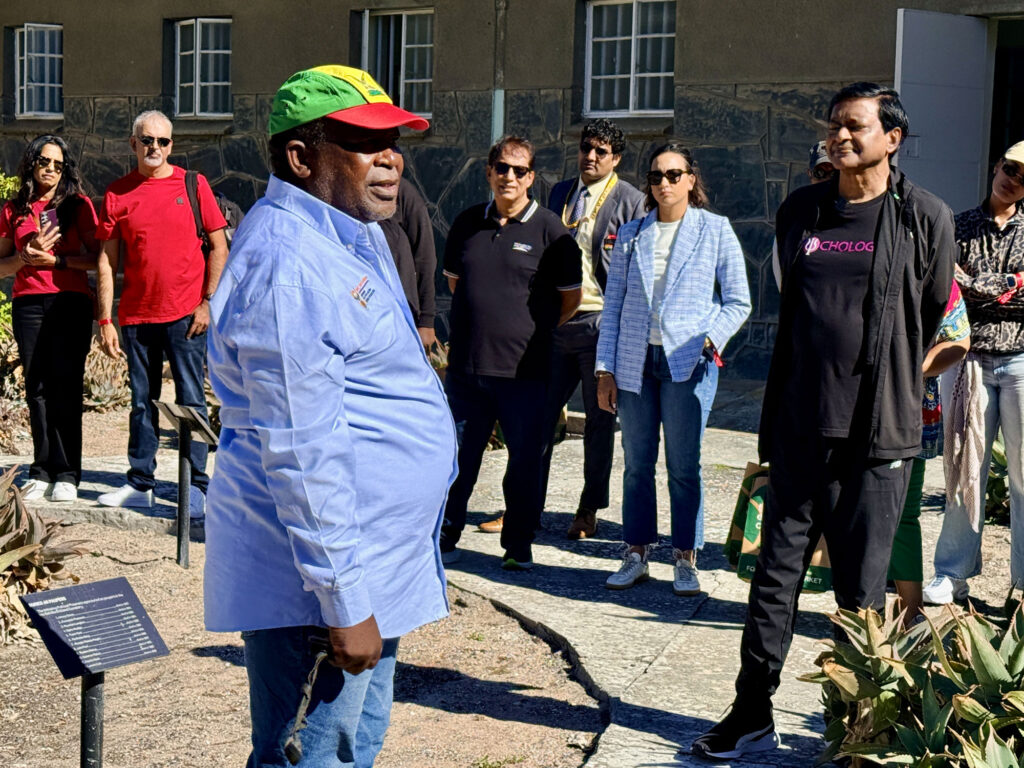
Their stories serve as a reminder of the suffering endured during the apartheid era and the importance of solidarity. This visit, combined with the inclusive language of jazz, demonstrated to us just how vital it is to stand together against discrimination and defend the right to life. We must honor our shared human rights heritage through the inclusive language of jazz; we must learn to listen to one another and build a more just environment by defending the right to life.
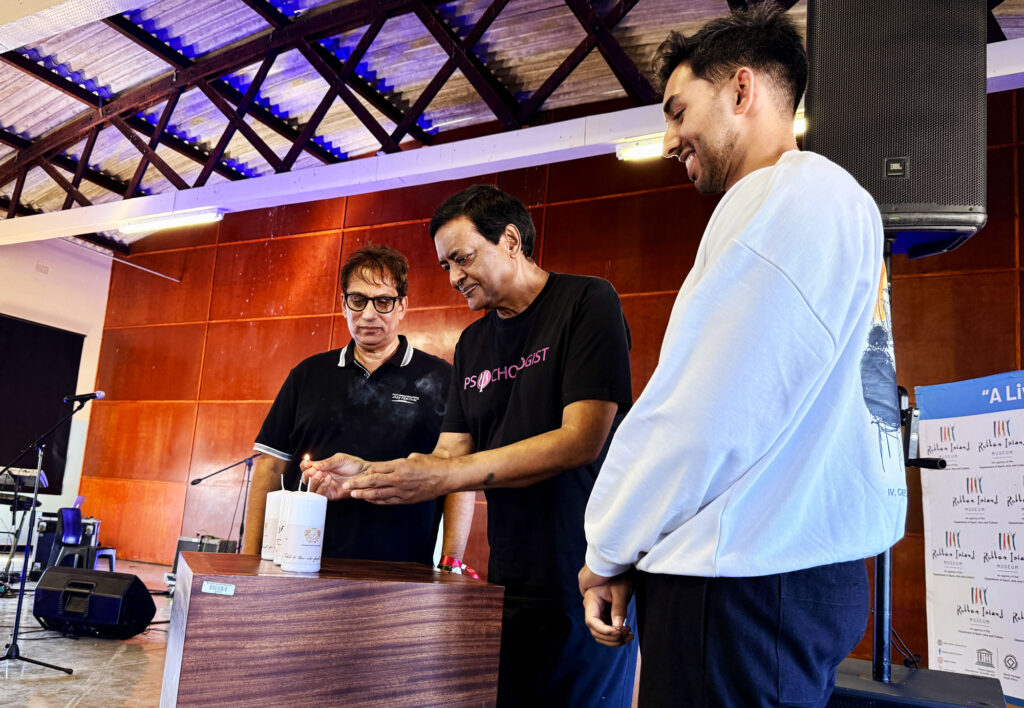
In this context, there has been a very special performance on the island. Artists who performed at the festival—including Yussef Dayes feat Jacob Mcgibbon, Babalwa Meintjies, Maria Jaoa, and James Mange, a political prisoner, activist, and reggae musician who was released after serving 14 years in prison on this island for opposing the regime—delivered exceptionally rare and special performances on the island, where private events are not normally permitted. It was an absolutely unforgettable experience.
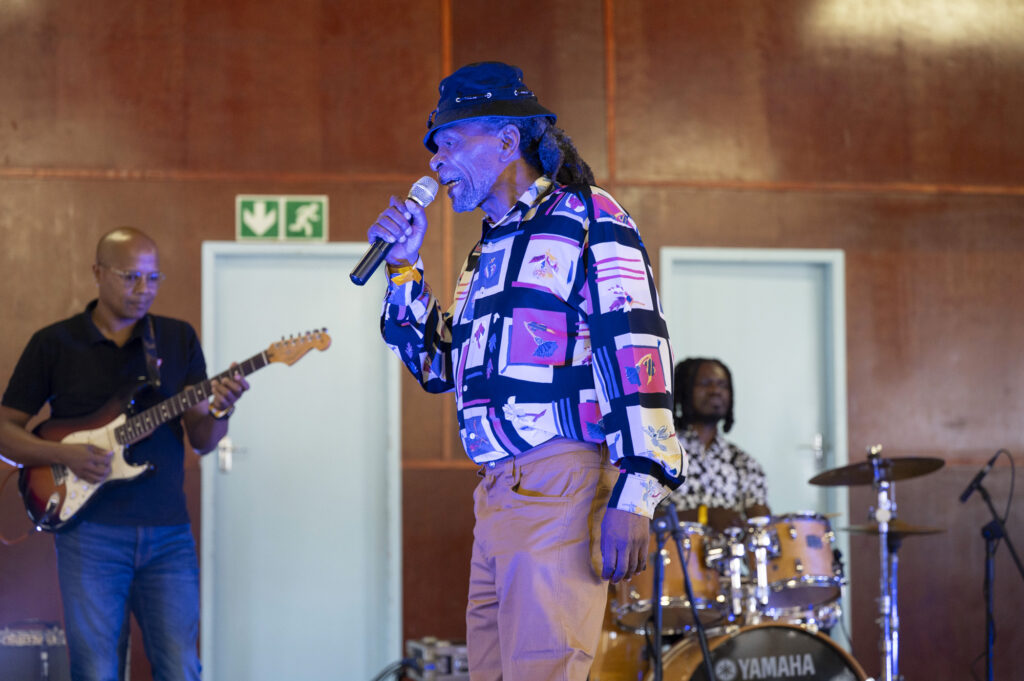
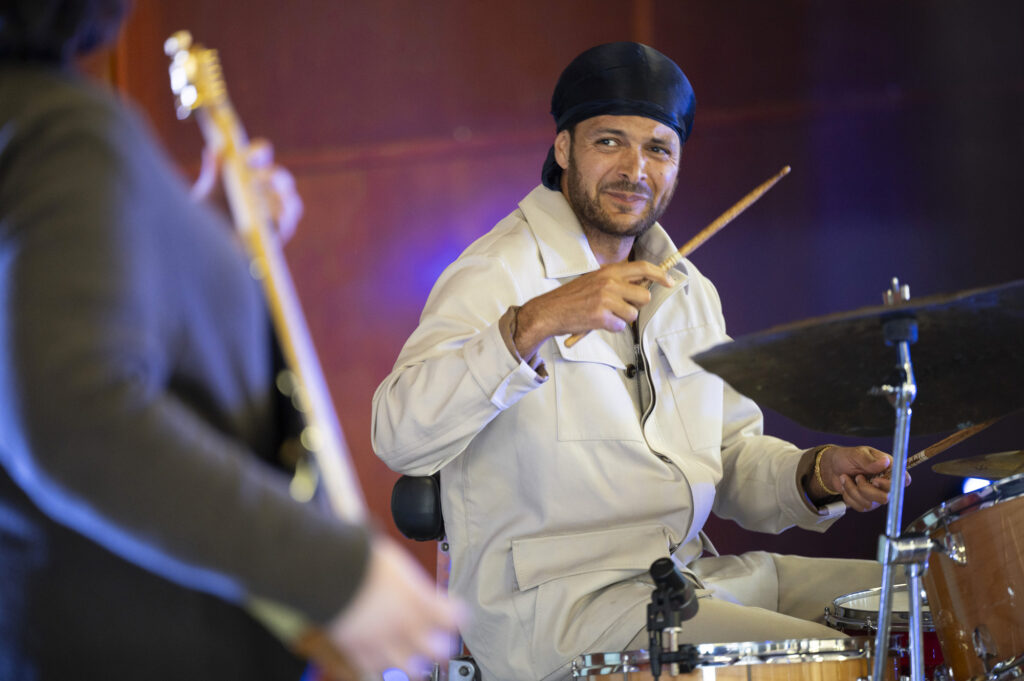
In his remarks, District 6 musician and historian Vincent Kolbe emphasizes the central role of music at the heart of this struggle, just as it has in nearly all liberation movements around the world. South African music helped build community and resistance by defying a racist government intent on using it to divide and exclude people—in the streets, in homes, at rallies, and in cars.
Abdullah Ibrahim, the iconic figure of the struggle, exemplifies this legacy, which was shaped by countless influences ranging from the church organ played by his mother to the Farabi sounds coming from a neighboring town. The social conditions that gave rise to Abdullah Ibrahim no longer exist, so another Abdullah Ibrahim will not emerge; but in my view, even if the youth of South Africa have not personally experienced this struggle, they will continue to use the respect they have learned from their elders and the consciousness they have acquired to channel these hardships into a driving force for their creativity.
As writers such as Amiri Baraka and Ralph Ellison have noted, “Jazz has not been an aesthetic form but a social practice. It has been a way of organizing experience. And it has been a way of being with oneself and with others.”
In this context, the Cape Town Jazz Festival should be viewed not merely as a series of back-to-back concerts, but also as part of a broader perspective. This perspective includes the Robben Island prison tour—a journey aimed at keeping recent history alive, as I mentioned earlier—as well as the exhibition “The Evolution of South African Jazz”, which features stunning jazz photographs taken during the concerts by master photographers Siphiwe Mhlambi and incomparable Arthur Dlamini, currently on display at Youngblood Africa.
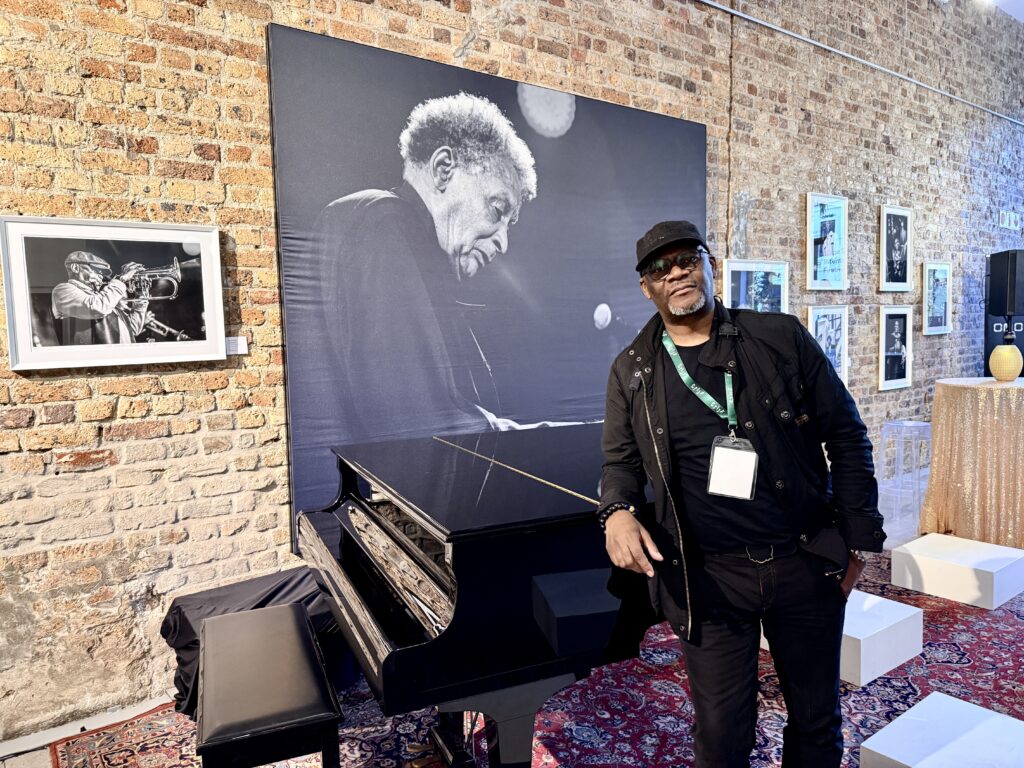
The exhibition features stunning photographs by prominent figures such as Abdullah Ibrahim, Andre Petersen, Hugh Masekela, Jonas Gwangwa, Bheki Mseleku, Feya Faku, Sathima Bea Benjamin, Pops Mohamed, Moses Taiwa Molelekwa, Miriam Makeba, Tony Cedras, Victor Ntoni, Winston Mankunku Ngozi, and Zim Ngqawana.
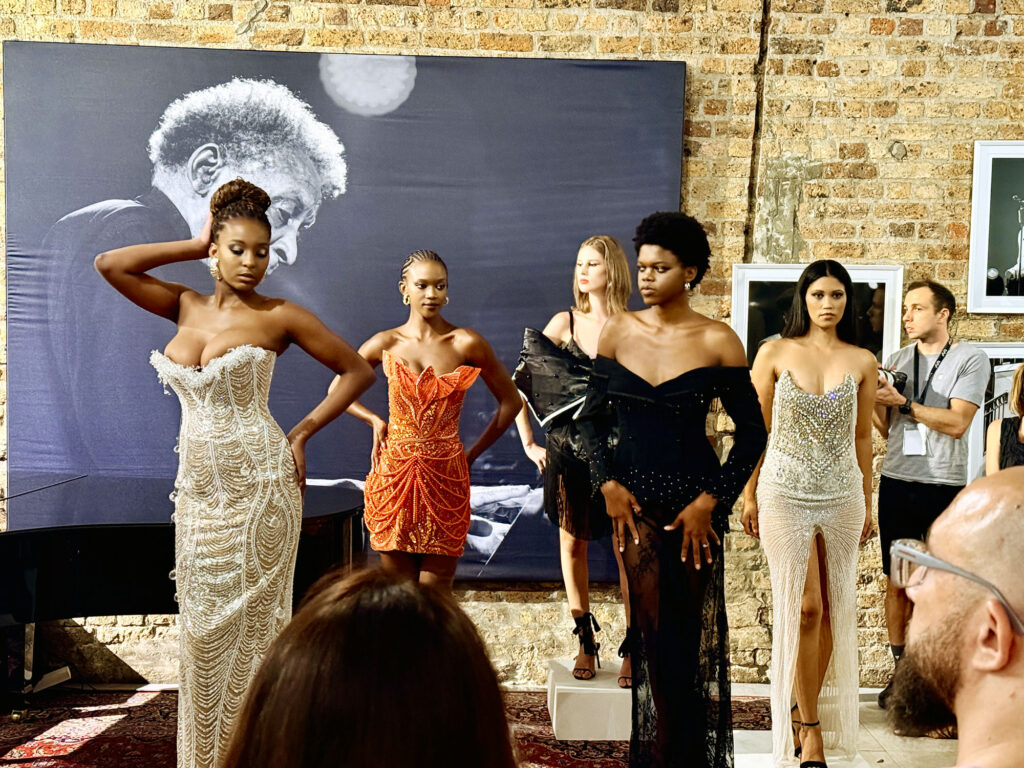
In addition, a beautiful fashion show—featuring South African designers blending African motifs with modern lines—took place at the same venue as part of the pre-festival opening reception. In this way, jazz also connected with the city’s other artistic practices.
CTIJF2026: 4 stages, 36 concerts within 2 days
The Cape Town Jazz Festival, now in its 23rd year, took place on March 27–28 across four different stages inside the Cape Town International Convention Centre. The road in front of the Convention Center was closed to vehicle traffic during the festival, and access was made easier. The festival grounds were quite spacious and comfortable. The ground floor featured a Heart FM booth, venue signage, a merchandise sales area, a VIP Lounge, food and beverage areas, and the Manenberg Stage—a sheltered outdoor stage accessible from inside the Kippies hall. Performances at the festival were delivered by Megan Edwards, Olwethu Nodada, Suga, Getshawn Coetzee, Lunga Singama, Anika Fortune, Aden Thomas, and Ayanda Dlamini.
Throughout the festival, admission to all stages was granted with tickets that did not have seat numbers. Regardless of whether seats were assigned or not, the “early bird gets a seat” rule applied at the concerts. Members of the press were issued special lanyards; this allowed them to enter the venue through a separate entrance rather than the one where the general public waited, giving them priority. I also had the opportunity to attend the concerts alongside many journalists from surrounding regions and Cape Town.
In the expansive concert area known as Kippies, high-energy concerts took place featuring artists like Sipho “Hotstix” Mabuse, Jacob Collier, Nduduzo Makhathini, Yussef Dayes, Fatoumata Diawara, and Sheila E—performances that, while energetic, still required the audience’s full attention.
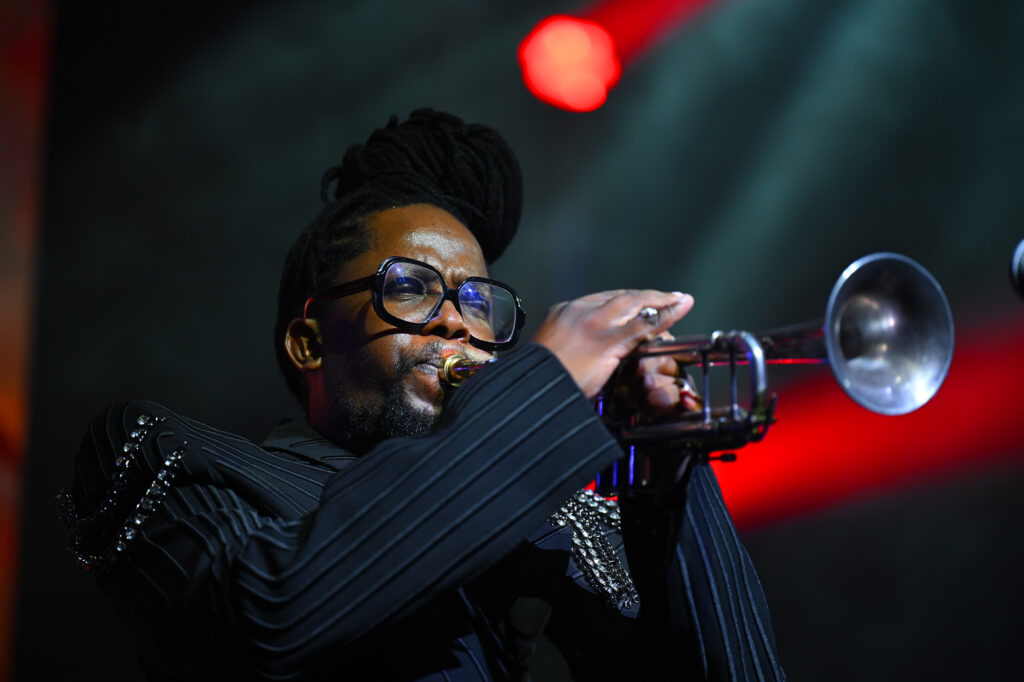
In the upper level there were the Rosises Stage, with a seating capacity of approximately 1500 and superb acoustics, and the Moses Stage, a slightly smaller indoor hall with weaker acoustics but still satisfying the audience in terms of capacity, named after the famous jazz pianist Moses Molelekwa. These two stages have hosted artists such as Rorisang Sechele, Carlo Mombelli, Yellowjackets, Giuliette Price, CTIJF Jazz Orchestra, Abdullah Ibrahim, Jasmine Myra, Sibusiso Moeketsi, Varijashree, Tutu Puoane, Igor Butman & Moscow Jazz Orchestra feat Fantine, and Maria Joao.
Interest in the festival was quite high. I observed that South African music lovers have boundless loyalty and enthusiasm for music. As evidence of this, I can point to the lines stretching for meters, the fact that nearly all concerts were largely sold out, and the intense excitement both during and after the concerts. Despite numerous live events taking place in the area recently—notably the Montreux Jazz Festival and the Franschhoek Jazz Festival—thousands of people chose the Cape Town Jazz Festival.
I attribute this to the festival’s ability to feature global music stars like Jacob Collier alongside national treasures like Abdullah Ibrahim, as well as the success of programmers who effectively analyzed audience preferences and a marketing and media team that excelled at reaching the masses.
So I would like to congrats chairman Rayhaan Surve, festival directors Georgia Jones, Carolyn Sierra Savage, music and talent coordinator Mariana del Carmen, media coordinator Tecla Ciolfi and the owner Iqbal Surve with all the staff for their work and courage to support live music.
Overall, I liked the lineup. Before the festival, I had thought that perhaps a few more American or international jazz musicians could have been included, but once I experienced the festival, I saw that they were striving to strike a good balance between local and international acts, and that many of the South African musicians were just as skilled and talented as their international counterparts.
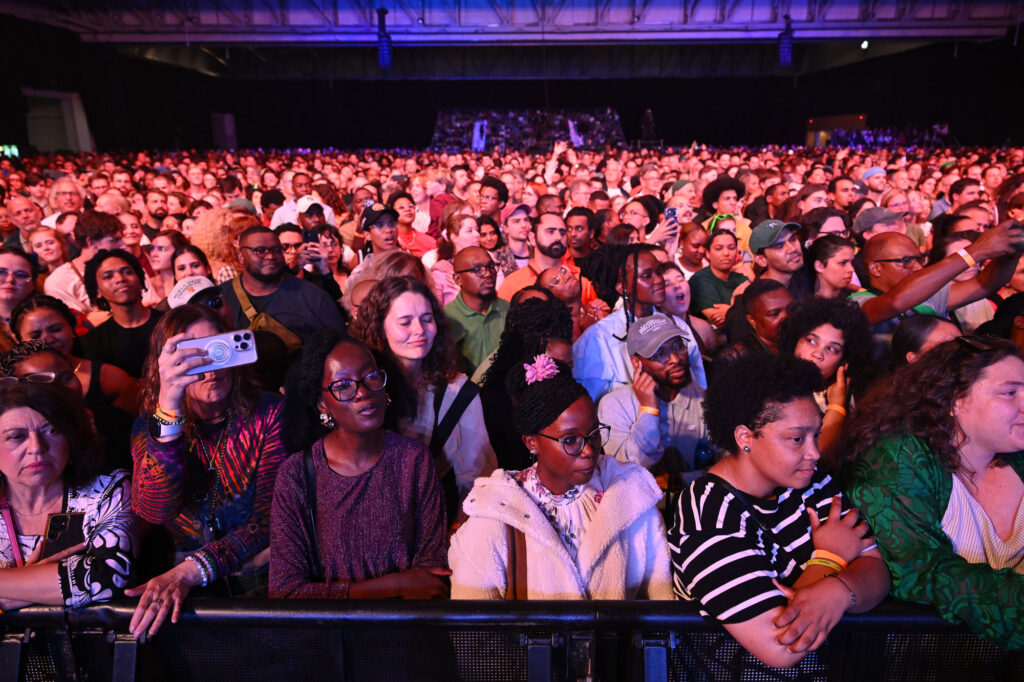
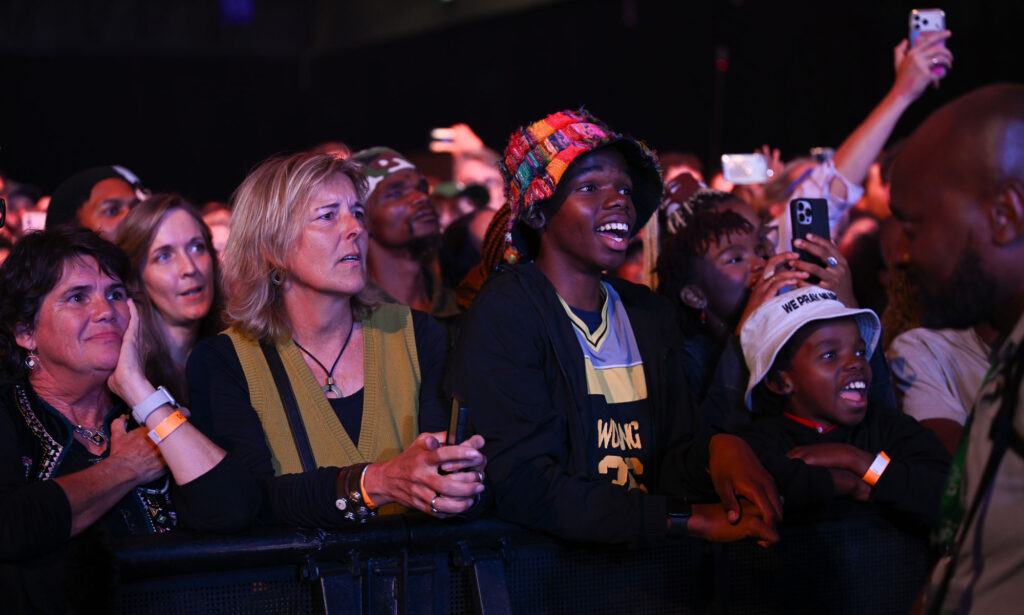
Although the concerts starting at the same time forced you to dash from one stage to another like a marathon runner, it naturally required you to do some research beforehand to decide which concerts to attend. Thus, the festival offered a distinct experience not just through listening to music, but also through the planning and selection process. I got to know many new artists.
By the way, I’d like to point out that this is the festival team’s first year on the job. I’m confident that by observing the issues that arose this year, they’ll be able to put together an even stronger festival next year.
The first concert I saw at the festival was the CTIJF Jazz Orchestra, conducted by Muneeb Hermans, on the Rosies stage. They started their concert with a cover version of Lakecia Benjamin’s “Trane.” from my fav album Phoenix. I recorded a video of the piece and sent it to the composer, Lakecia; she loved it. Of course, so did I. In my opinion, one of the most essential requirements for a festival is to host a jazz orchestra that has achieved a certain level of quality, and CTIJF has succeeded in doing just that.
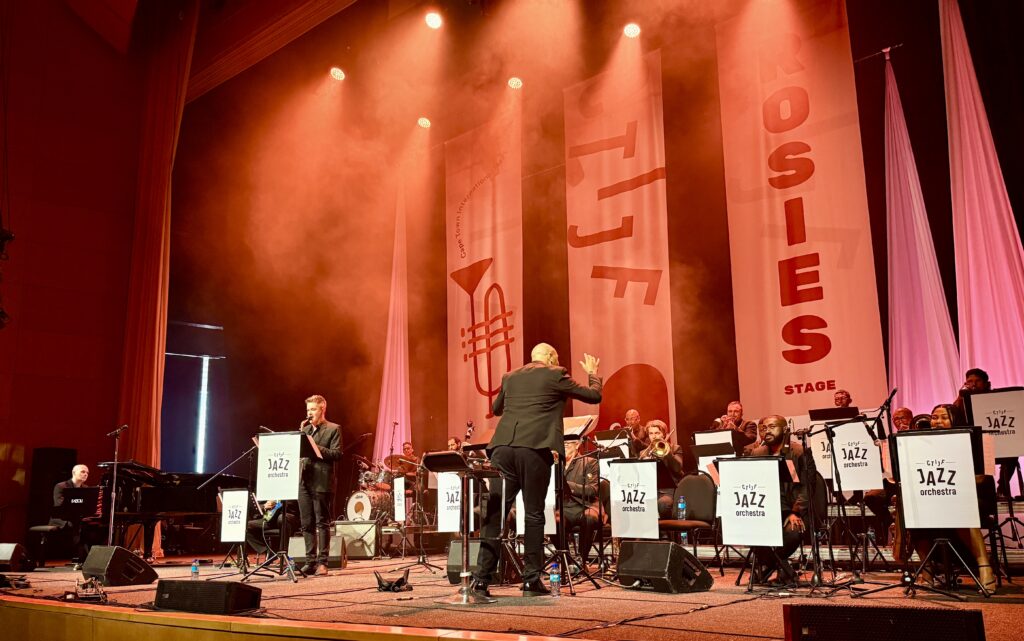
The next morning, we met up with Muneeb over breakfast and chatted for a while. I asked him to tell us about this new orchestra. They had received a standing ovation on stage after just two rehearsals. He wanted to share his thoughts with you in his own words:
The CTIJF Jazz Orchestra stands as the flagship professional ensemble of the Cape Town International Jazz Festival, bringing together leading South African jazz musicians and educators in a shared vision. Formed to deliver high-level performances while nurturing jazz through education and mentorship, the orchestra is conducted by Muneeb Hermans. The Band members are all established professionals, many also dedicated music educators. Debuting at the Festival, the orchestra will contribute to workshops and outreach, building an inclusive jazz legacy rooted in South African tradition and contemporary influences.
CTIJF2026 Highlights
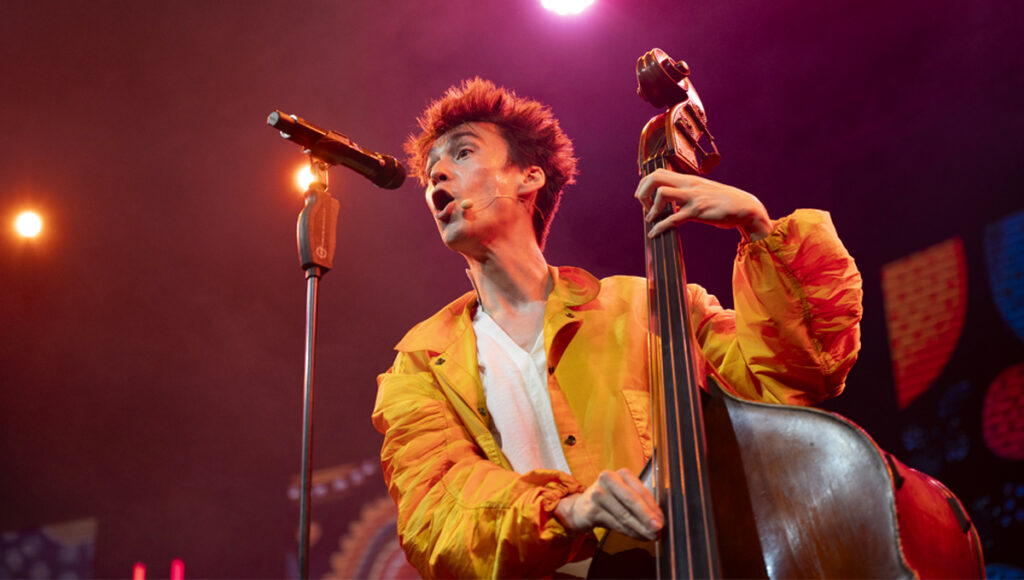
Everyone loves Jacob Collier. He is undoubtedly one of the most talented musical figures of our time. Collier offers his audience a comprehensive experience that combines entertainment, the exploration of new musical paths, and the ability to quickly engage with local cultural elements. As a world-renowned star who has proven his success, he performed in a packed hall with the South African Thanda Choir and Varijashree, who also performed at the festival, and accompanied his mother, Suzie Collier, on the piano as she played Leonard Cohen’s “Hallelujah” on the violin. This was the second time I’ve seen Collier. Her performance is the kind everyone should witness at least once in their lifetime.
Abdullah Ibrahim, South Africa’s 91-year-old folk hero, returned from Germany to his homeland and took the stage, performing what seemed like a miracle despite his frail body. The music flowed from his soul onto the keys of his piano. His mental acuity remained sharp, and he had enough energy to complete his performance.
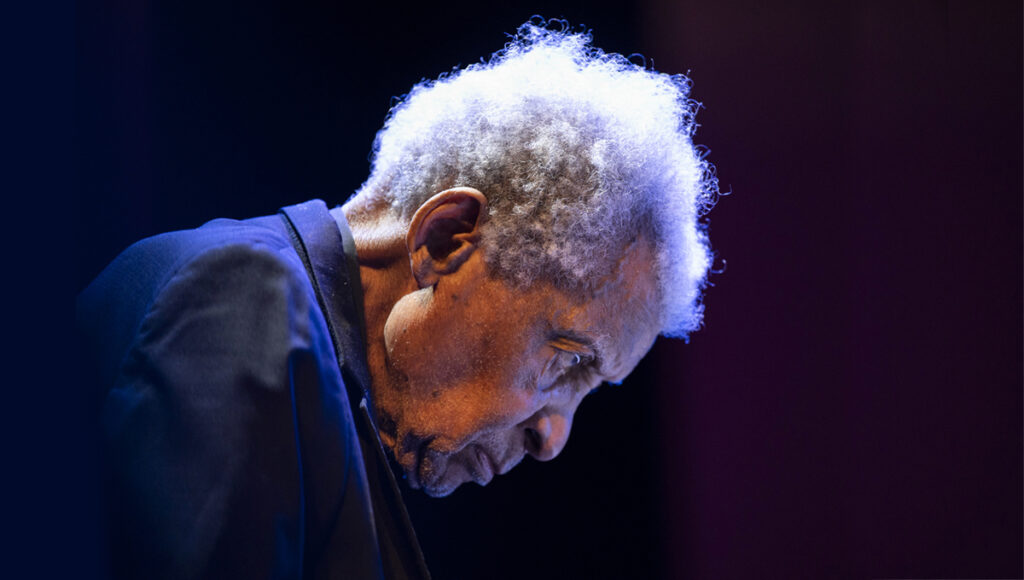
After performing a selection that included many of his compositions and repeating “Blue Bolero” several times, he was honored with a standing ovation. Amid the prolonged applause, he hummed an American hymn of freedom. Then, as he walked slowly off the stage for the last time in his homeland, the audience (filling the hall to the very last seat) bid him farewell with applause that lasted for minutes. It was an emotional, majestic, and unforgettable farewell.
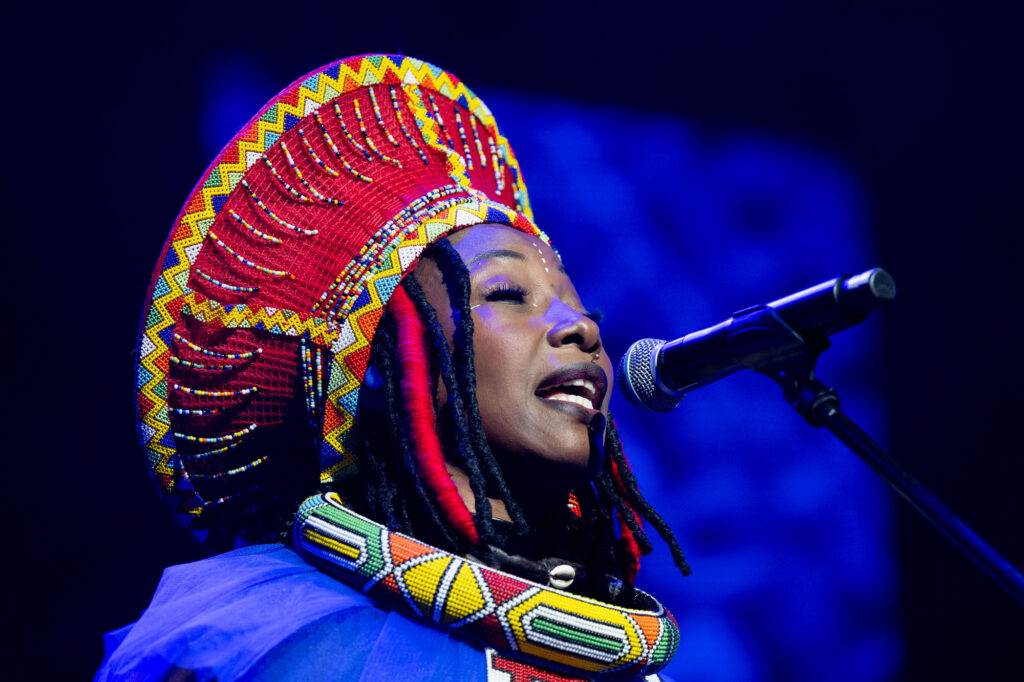
Malian singer-songwriter Fatoumata Diawara was a perfect fit for the Cape Town Jazz Festival stage, where she was performing for the first time. I’ve seen Diawara perform live many times, but the pure African energy that surrounded me made this experience even more unforgettable for me.
I have seen Igor Butman and the Moscow Jazz Orchestra perform many times in various cities across Russia and on the stage of the Antalya Akra Jazz Festival. This time I saw him on stage in Cape Town accompanied by Fantine, who, in my opinion, is Russia’s best singer and a superb vocalist. Butman, Russia’s jazz ambassador, performed in the city last year with his quartet and drew incredible attention.
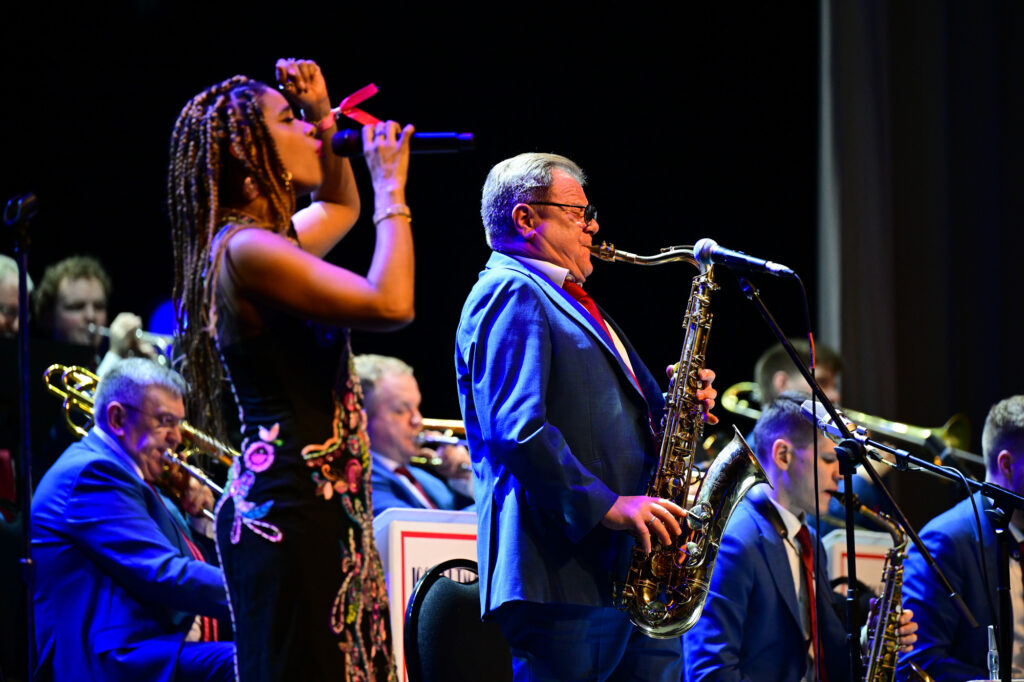
The audience, who waited in quite long lines, left the venue happy after a performance where Butman was at the very top of his game. Top-tier musicianship combined with the passion and sincerity of true jazz. The repertoire includes works by Russian composers, the Beatles, Nat Adderley, a very small section from the nu-metal group Crazy Town performed by Akkuratov, timeless classics of Latin and bossa nova, and many other pieces. In my humble opinion, this group is one of the world’s best jazz orchestras because, first and foremost, they swing more than most Americans, they have a deep understanding of the music and jazz history, and beyond that, they’ve dedicated themselves to this craft. In every performance, they strive to push the boundaries of perception with their open-minded approach. When you want to witness great jazz musicianship, you can focus on any musician in the orchestra. You won’t find a weak link.
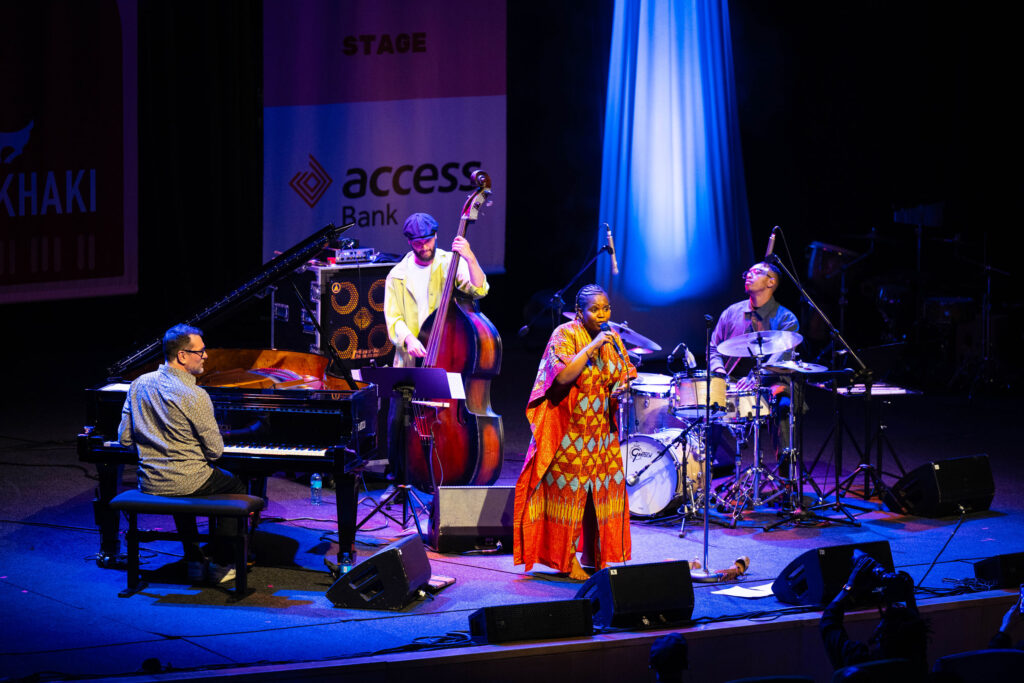
Tutu Puoane, originally from South Africa, returned to Cape Town after 18 years and received a standing ovation for blending her African artistry with a European sensibility.
I first discovered South African young vocalist Rorisang Sechele when I listened to her song “Inner Peace” which was featured on official Spotify playlist shared ahead of the festival. It was an incredibly harmonious, captivating, and memorable song. Hearing it live once again on the stage of the Cape Town Jazz Festival, after having listened to it countless times, greatly amplified the impact the song had on me. Beyond Sechele’s soulful voice, the song’s impact was greatly enhanced by an amazing jazz band and striking arrangements. It was a wonderful discovery.
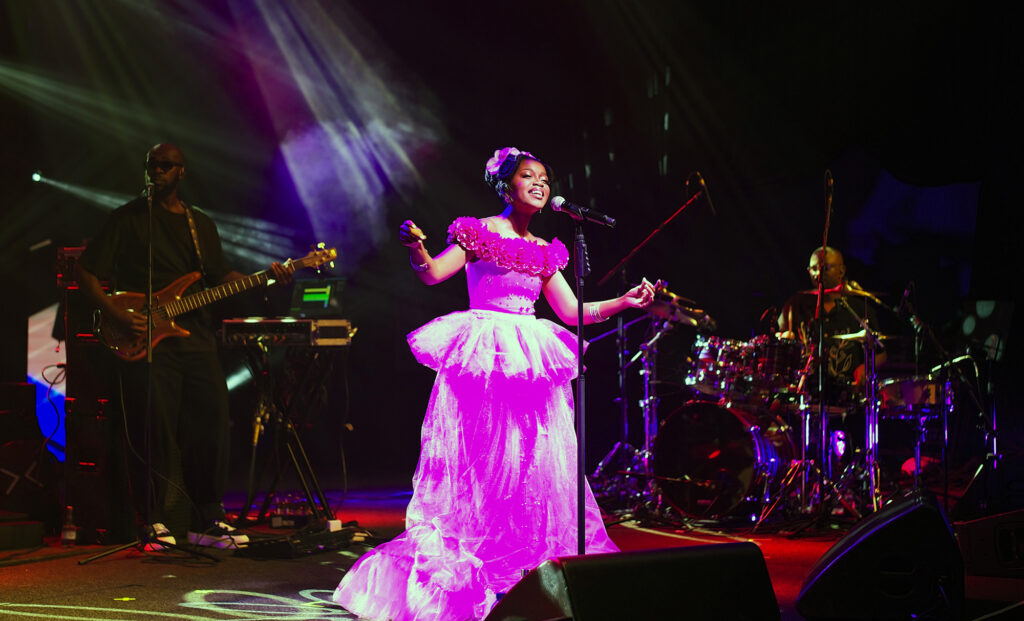
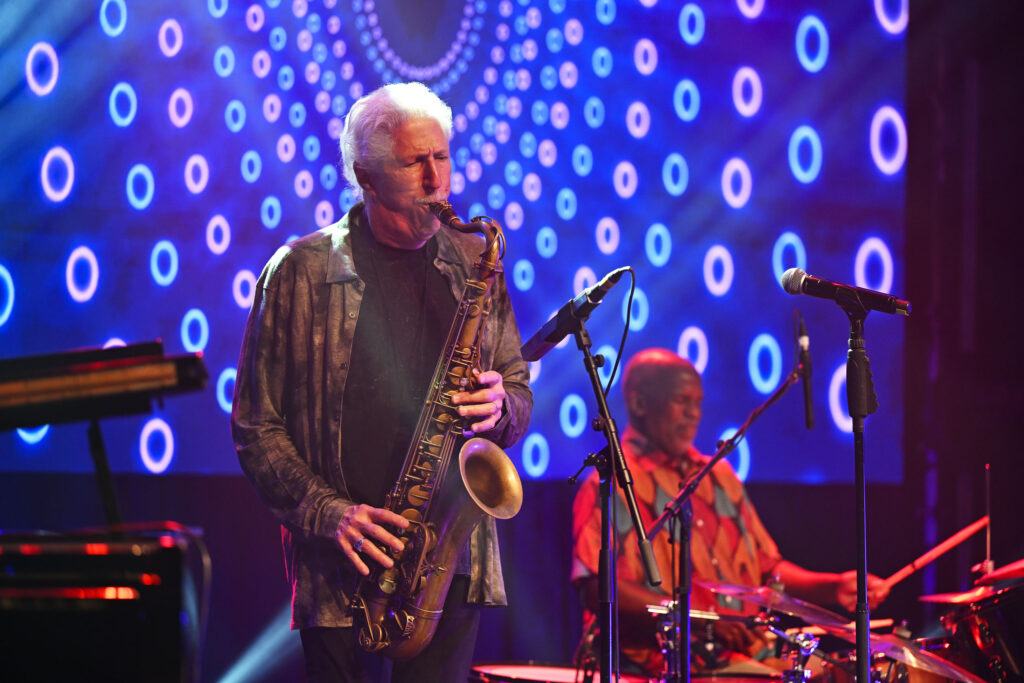
One of the most important concerts of the festival for me was the Yellowjackets’ performance on the Moses Stage. Even though it was 1:00 a.m., there wasn’t a single empty seat left in the hall. Although I’m a big fan of saxophonist Bob Mintzer, this time I noticed that he was playing in a somewhat withdrawn or tired, unenthusiastic mood, and his performance was a bit subpar. Was it bad? No, definitely not. Maybe it was the jet lag. Despite everything, the Yellowjackets are the strongest continuation of the Weather Report tradition, and listening to them is always a pleasure.
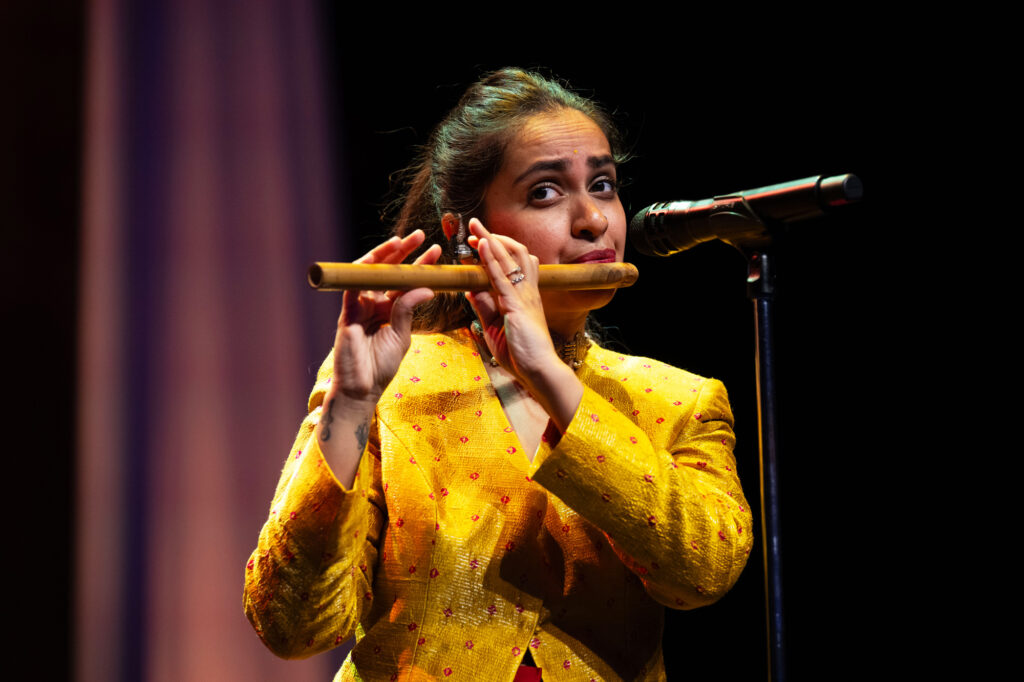
At a jazz festival, you can always expect an experience rooted in authenticity rather than flashiness. Not being from the same region can create a sense of distance for those hearing the music live for the first time. However, the music’s uniqueness takes precedence over familiarity and captivates the audience. At the Cape Town International Jazz Festival, I listened to Indian musician Varijashree Venugopal, who took the stage at the packed Rosies Stage on Saturday evening at 9:00 PM. Venugopal, whom I mostly knew by reputation, performed alongside Jayachandra Rao—a master of the mridangam—and an extraordinary ensemble of instruments including drums, violin, and keyboard. This performance opened the doors to a world of sounds that many Cape Town listeners (myself included) were encountering for the first time. Yet there was no sense of alienation. On the contrary, curiosity and interest were at the level they deserved. I realized that music lovers are demanding quality music like Varijashree’s; I’m happy to have listened to such a unique piece of music. Bravo, Varijashree!
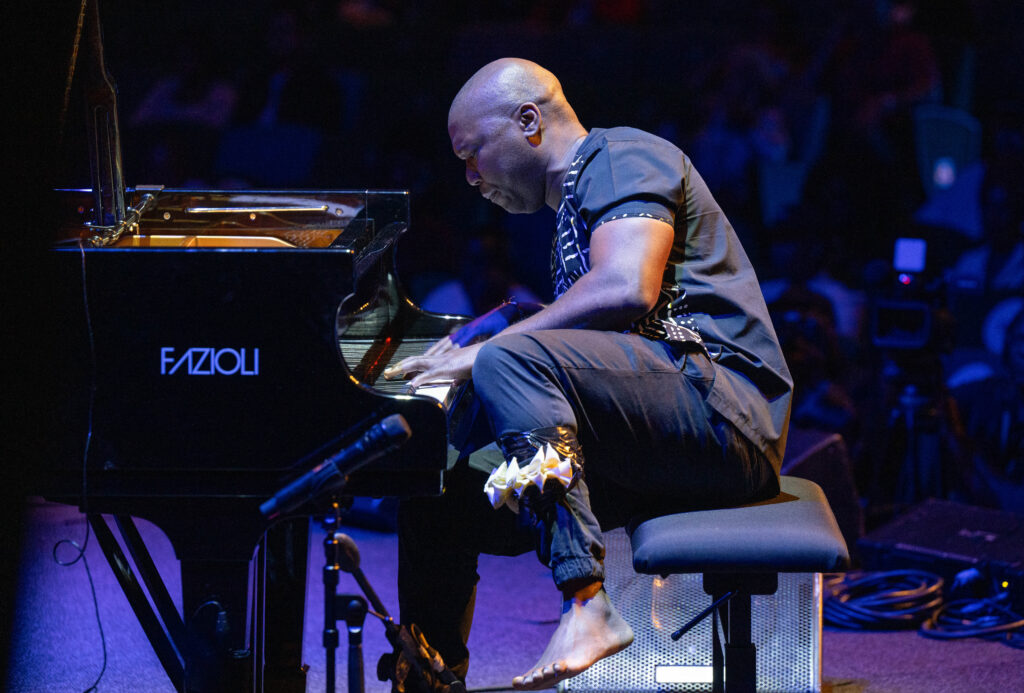
Sibussiso Mash Mashiloane creates music through compositions and a musical approach that reflect the musical identity of his community. Drawing inspiration from his life, his family, his community, and his religious practices, his music takes us into his home. The performance, featuring Kagiso Ramela, Dalisu Ndlazi, Siskonke Xonti, and Riley G, will stay with me for a long time.
From time to time, we complain that interest in jazz is waning, or that ticket sales are declining, or that the festival’s entertainment aspect has overshadowed its intellectual dimension. We question whether the festival truly speaks to the shared heritage of the country and humanity, or whether it remains financially accessible. We also voice our grievances regarding whether the media receives the recognition it deserves. At this festival, none of these negative thoughts crossed my mind. Having listened intently to Madiba Mandela’s advice on fostering positive values, I’m eagerly looking forward to next year’s program of the Cape Town International Jazz Festival.
■
Burak Sülünbaz on Dark Blue Notes


